How Often Should a Fire Hydrant Be Inspected and Tested?
September 30, 2026
Which Types of Fire Can a DCP Fire Extinguisher Control?
October 13, 2026
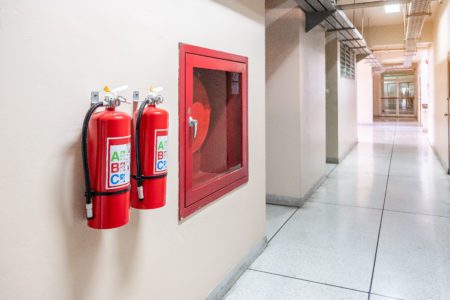
A fire can start in a kitchen, electrical room, storage area, or workplace before anyone has time to react. Having a fire extinguisher nearby can help trained people respond to a small fire, provided it is safe to do so. However, simply keeping extinguishers inside a building does not guarantee that people can reach them during an emergency.
Correct fire extinguisher placement helps employees, visitors, and safety teams find the right equipment without wasting valuable time. In offices, factories, hospitals, warehouses, and other facilities across Pakistan, placement should reflect the building layout, fire risks, escape routes, and applicable safety requirements.
So, where should extinguishers go, and what mistakes should you avoid? Understanding a few practical principles can help you plan safer spaces and protect the people who depend on them.
Where Should Extinguishers Be Placed?
A fire extinguisher should be easy to see, quick to reach, and located where it can be accessed safely. The exact position and number depend on the building’s fire risks, layout, equipment, and applicable safety requirements.
The Occupational Safety and Health Administration (OSHA) identifies locations such as hallways, kitchens, meeting rooms, mechanical rooms, and areas near exit doors as common places for workplace extinguishers. These are useful planning examples, not a substitute for local requirements.
1. Near Exit Routes
Place extinguishers at clearly marked, accessible points along suitable exit routes, where people can reach them without moving towards a fire or becoming trapped. Keep the equipment visible and ensure it does not narrow or block an escape path.
2. Near Identified Fire Hazards
Areas with a greater risk of fire may need dedicated protection based on a fire risk assessment. For example, an industrial facility may need extinguishers near certain work areas, while an office may require coverage around equipment and storage areas.
3. In Kitchens and Food Preparation Areas
Cooking areas can involve heat, oils, electrical equipment, and combustible materials. The extinguisher provided must be suitable for the likely fire risk and positioned where it can be reached safely without requiring someone to approach a developing fire.
4. Near Electrical and Mechanical Rooms
Electrical panels, generators, and mechanical equipment can present specific fire hazards. Extinguisher selection and placement should reflect the equipment present, the room layout, and the risks identified by a qualified safety professional.
5. In Warehouses and Storage Areas
Storage facilities may contain cardboard, packaging, chemicals, fuels, or other materials that affect fire risk. Extinguishers should remain accessible as stock levels change, and they must not be hidden behind shelves, pallets, machinery, or stored goods.
What Affects Fire Extinguisher Placement?
The best position depends on more than the room’s size. A proper placement plan considers how a fire could start, who uses the area, and how people would move during an emergency.
Before deciding where to install fire safety equipment, review these factors:
- Type of fire risk: Identify the materials and activities that could cause a fire, then choose suitable equipment.
- Building layout: Consider corridors, doors, partitions, machinery, and other obstacles that could delay access.
- People using the building: Account for staff, visitors, contractors, patients, and people who may need assistance during evacuation.
- Visibility and access: Make sure extinguishers are easy to identify and reach without moving obstacles.
- Applicable requirements: Check the relevant building regulations, fire safety standards, and instructions for the equipment being installed.
These checks help safety teams plan placement around actual conditions rather than relying on a one-size-fits-all arrangement.
How Should Extinguishers Be Installed?
Even a suitable extinguisher may be difficult to use if it is installed poorly. Once the location has been selected, check that the equipment remains secure, visible, and accessible.
Follow these general practices during installation:
- Keep it visible: Use suitable signs where needed, especially if the extinguisher could be difficult to spot.
- Make it easy to reach: Install it where intended users can access it without climbing over stored items or moving equipment.
- Use suitable mounting: Follow the manufacturer’s instructions and applicable requirements for mounting or supporting the extinguisher.
- Keep escape routes clear: Never allow the extinguisher or its mounting arrangement to obstruct a doorway, corridor, or exit.
- Protect it from damage: Avoid locations where vehicles, machinery, moisture, heat, or other site conditions could damage the equipment.
- Maintain clear access: Make sure new furniture, stock, partitions, or workplace changes do not hide or block it.
After installation, include every extinguisher in the building’s inspection and maintenance arrangements. The OSHA requirements for portable fire extinguishers explain the importance of keeping equipment accessible, operational, and in its designated location.
Common Placement Mistakes to Avoid
Small installation mistakes can create serious problems during an emergency. Regular workplace checks can help identify issues before people need to use the equipment.
Watch for these common mistakes:
- Hiding extinguishers: Placing them behind doors, curtains, shelves, or stored materials makes them harder to find.
- Blocking access: Leaving boxes, furniture, or equipment in front of an extinguisher can delay access.
- Choosing the wrong location: An extinguisher may be too far from the area it is intended to protect or unsafe to reach during a fire.
- Ignoring changing risks: New machinery, storage arrangements, or work processes may require a review of existing placement.
- Forgetting maintenance: A visible extinguisher offers little protection if it is damaged, discharged, or otherwise unfit for use.
- Relying on placement alone: Extinguishers are only one part of a fire safety plan. Detection, alarms, evacuation arrangements, and staff training also matter.
Remember, employees should only attempt to tackle a small fire if they are trained, the correct equipment is available, and they have a safe escape route. Raise the alarm and evacuate if conditions are unsafe.
Practical Examples of Placement
A simple review of different work environments shows why fire extinguisher placement should reflect the risks and layout of each building.
Example 1: Office Building
An office may need extinguishers at suitable points along corridors and near identified fire risks. The facilities team should check that meeting room furniture, cabinets, and temporary storage do not block access.
Example 2: Industrial Facility
A factory may have electrical rooms, production areas, workshops, and storage zones with different fire hazards. A site-specific assessment helps determine suitable extinguisher types and locations for these areas.
Example 3: Hospital
A hospital must consider patients, staff, visitors, medical equipment, and evacuation needs. Extinguishers should be positioned according to the assessed risks without obstructing corridors, patient movement, or emergency access.
These examples are starting points, not final placement plans. Each building needs an assessment based on its actual hazards, design, occupancy, and applicable safety requirements.
How to Plan Placement Across a Building
A planned review helps facility managers identify gaps and keep protection consistent as the building changes.
Use the following steps to guide the process:
- Inspect the building: Review each floor, room, corridor, storage area, and work zone.
- Identify fire hazards: Record the materials, equipment, and activities that could create a fire.
- Assess the risks: Determine what type of fire could occur and what protection is appropriate.
- Select suitable locations: Consider access, visibility, escape routes, and applicable placement requirements.
- Document the layout: Mark extinguisher locations on the building’s fire safety plan so staff can identify them.
- Check and review: Include the equipment in regular inspections and reassess placement after renovations, layout changes, or changes in workplace activities.
For buildings in Pakistan, the plan should be checked against applicable local requirements, including the relevant provisions of the Building Code of Pakistan: Fire Safety Provisions 2016. Requirements can vary with the building and its use, so qualified professionals should confirm what applies to the site.
Fire Extinguisher Placement in Karachi
Businesses looking for a fire extinguisher in Karachi should consider their building’s actual fire risks rather than selecting equipment based only on availability. Offices, warehouses, hospitals, industrial facilities, and commercial buildings can have very different protection needs.
Karachi facilities may also include specialised environments such as manufacturing units, electrical rooms, and storage areas. A site assessment can help identify suitable equipment locations, access problems, and gaps in the existing fire safety arrangements.
Haseen Habib provides fire and safety equipment, along with services such as fire risk assessments, training, and safety consultancy. Businesses can explore its fire and safety equipment and contact the team for guidance suited to their facility.
Protect People With a Better Fire Safety Plan
A fire extinguisher that cannot be found or reached may not help when people need it most. Careful placement gives employees and visitors a better chance of accessing suitable equipment while following a safe emergency response plan.
At Haseen Habib, we understand that fire safety planning is about protecting people, workplaces, and the assets organisations depend on. Our fire safety equipment, risk assessment, training, and consultancy services can help businesses review their protection needs.
Take the next step before an emergency happens. Contact Haseen Habib to discuss your facility’s fire safety requirements and help ensure your equipment is suitable, accessible, and planned around the risks your people face.
FAQs
1. Where is the best place to put a fire extinguisher?
A suitable location is visible, accessible, and safe to reach. Common options include selected corridor points, areas near exits, and locations close to identified fire hazards, depending on the building’s layout and applicable requirements.
2. Can a fire extinguisher be placed behind a door?
It is generally best to avoid locations where an open door could hide or block the extinguisher. The equipment should remain visible and accessible during normal use and emergency conditions.
3. How many fire extinguishers does a building need?
The number depends on the building’s size, layout, fire hazards, occupancy, extinguisher suitability, and applicable safety requirements. A qualified assessment is the safest way to determine the appropriate number and placement.
4. Should fire extinguishers be placed near electrical equipment?
They may be needed near electrical hazards, but the suitable extinguisher and its location depend on the equipment and the potential fire. A qualified professional should assess the risk and ensure the chosen equipment is appropriate.