Where Should Fire Extinguishers Be Placed in a Building?
October 10, 2026
How Do You Choose Safety Shoes for Workplace Hazards?
October 15, 2026
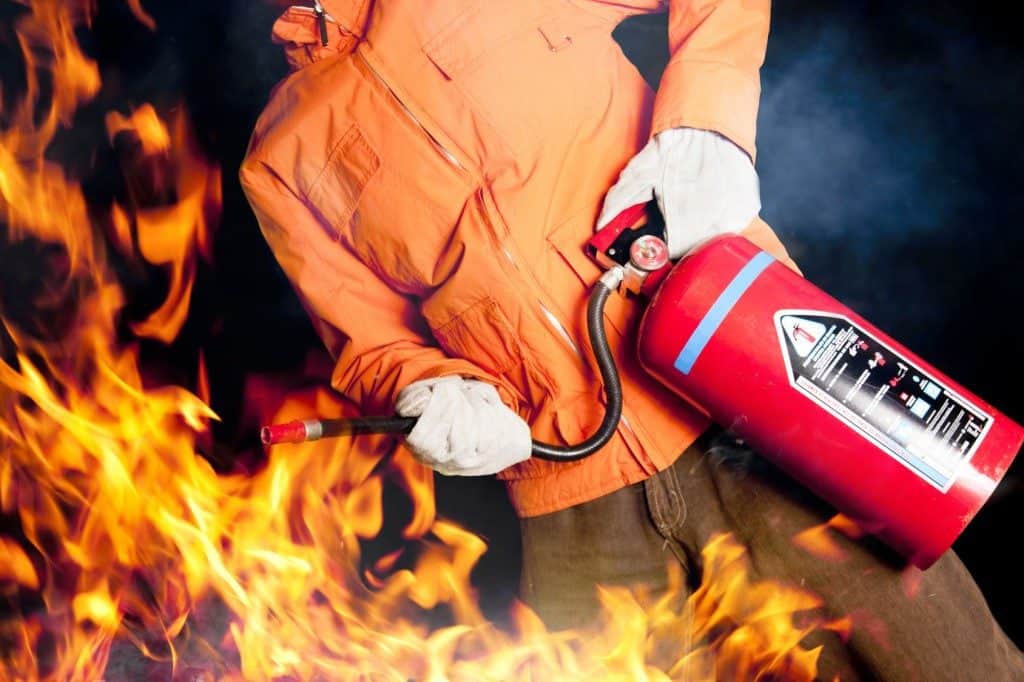
A fire can spread quickly through an office, factory, warehouse, or industrial facility. Having the right fire extinguisher nearby can help control a small fire before it causes serious damage. However, the extinguisher must be suitable for the material burning.
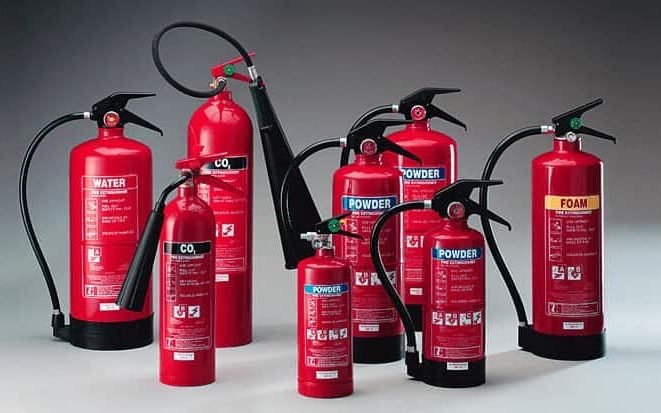
A DCP fire extinguisher uses dry chemical powder to suppress flames. Depending on its rating, it can control fires involving ordinary combustible materials, flammable liquids, and flammable gases. Some types are also suitable for fires involving energised electrical equipment.
Understanding these differences helps you make safer decisions about fire protection for your workplace or facility in Pakistan. It also helps you recognise situations where another extinguishing agent is necessary. The first step is to understand how DCP extinguishers work and which fire risks they can address.
What Is a DCP Fire Extinguisher?
DCP stands for dry chemical powder. A dry chemical powder extinguisher releases a fine powder that interferes with the chemical reaction sustaining a fire. Depending on the powder formulation, it can also help separate the fuel from the conditions needed to maintain combustion.
However, not every powder extinguisher is suitable for every fire. Its intended use depends on the extinguishing agent, the fire rating, and the manufacturer’s instructions.
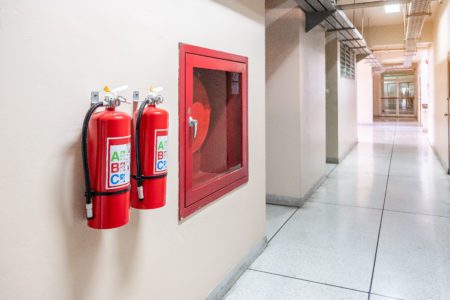
An ABC fire extinguisher is a multipurpose type designed for specified Class A, B, and C fire risks under the relevant classification system. Always check the cylinder label because fire-class definitions and ratings can vary between standards.
Which Types of Fire Can a DCP Fire Extinguisher Control?
A DCP extinguisher can be effective against several common fire hazards, but its exact capabilities depend on its approved rating. The following fire classes explain where a suitably rated extinguisher may be appropriate.
1. Class A Fires: Solid Materials
Class A fires involve ordinary combustible materials that can burn and leave embers or glowing residues. These materials are common in offices, warehouses, workshops, and commercial buildings.
Examples include:
- Paper, cardboard, and packaging materials
- Wood and wooden furniture
- Cotton, clothing, and other textiles
- Certain combustible plastics
A suitably rated DCP fire extinguisher can suppress these fires by interrupting combustion. However, some materials may continue smouldering after the visible flames disappear, so the affected area must be checked for signs of reignition.
2. Class B Fires: Flammable Liquids
Class B fires involve flammable liquids that can ignite and spread flames across a surface. These hazards may occur wherever fuels, solvents, paints, or similar substances are stored or handled.
Common examples include:
- Petrol and other flammable fuels
- Diesel and combustible liquid products, where classified accordingly
- Paints, thinners, and solvents
- Certain flammable industrial chemicals
A suitably rated dry powder extinguisher can suppress these flames by interfering with the combustion process. However, the powder may not cool the liquid sufficiently to prevent reignition, particularly if the fuel remains hot or continues leaking.
For example, a workshop handling flammable solvents needs an extinguisher rated for the relevant liquid fire risk. Staff must also know how to isolate the fuel supply safely and when to evacuate.
3. Class C Fires: Check the Classification
The meaning of Class C depends on the fire classification standard being used. In some systems, it refers to fires involving flammable gases. In others, including the US system, it refers to fires involving energised electrical equipment.
Where Class C means flammable gases, examples include fires involving LPG, propane, or natural gas. A suitable dry powder extinguisher may suppress the flames, but the gas supply must be isolated when it is safe to do so.
An extinguished gas flame can be especially dangerous if gas continues escaping. Unburned gas may accumulate and create an explosion risk. If the supply cannot be isolated safely, evacuate the area and contact the emergency response team.
4. Fires Involving Electrical Equipment
Electrical fires can occur in distribution boards, wiring, motors, generators, and other powered equipment. These incidents require particular care because electricity can expose people to shock hazards while the fire is being controlled.
A DCP extinguisher may be suitable for certain electrical fires when its markings and manufacturer instructions permit that use. The exact permitted application depends on the equipment, voltage, and extinguisher rating.
For safer handling:
- Isolate the electrical supply if this can be done safely.
- Use only an extinguisher approved for the electrical hazard.
- Keep a safe distance from exposed conductors and damaged equipment.
- Arrange a qualified inspection before restoring power.
Dry powder can leave residue that affects sensitive electrical components. For this reason, equipment protection and post-fire cleanup should also be considered when planning fire safety measures.
Which Fires Should a DCP Extinguisher Not Be Used On?
Although a DCP fire extinguisher can address several common hazards, it is not suitable for every fire. Using the wrong extinguishing agent can increase danger, damage equipment, or leave the underlying fire risk unresolved.
The following situations require particular attention:
- Cooking oil and deep-fat fryer fires: Use an extinguisher specifically rated for cooking oils and fats, such as an appropriate wet chemical type. Never pour water onto burning cooking oil.
- Combustible metal fires: Burning metals such as magnesium or sodium require a specialist Class D extinguishing agent suitable for the particular metal.
- Large or rapidly spreading fires: Do not attempt to fight a fire that threatens your escape route or produces dangerous heat and smoke.
- Uncontrolled gas leaks: Extinguishing the flames without safely stopping the gas flow can allow unburned gas to accumulate.
These limitations matter because selecting an extinguisher based only on its powder contents can create a false sense of security. Always follow the cylinder markings, applicable safety standards, and professional fire-risk assessment.
How Does DCP Powder Suppress Fire?
Understanding how dry powder works helps explain why it is suitable for certain fire hazards but not others.
When discharged, the powder reaches the burning material and interferes with the chemical reaction that sustains the flames. Depending on the formulation and fire type, it may also help separate the fuel from the conditions needed for continued combustion.
This action can suppress flames rapidly. However, powder does not necessarily cool the burning material enough to prevent it from igniting again. Hot surfaces, remaining fuel, and continuing leaks may allow the fire to return.
The discharge also creates residue that can spread across nearby surfaces. Facilities with sensitive electronics, precision machinery, or expensive equipment should consider cleanup requirements when planning their fire protection arrangements.
Where Can DCP Extinguishers Be Useful?
Different workplaces face different fire hazards. Choosing suitable equipment starts with identifying the materials present, the activities taking place, and the likely ways a fire could develop.
For example, consider these common workplace situations.
Office Buildings and Commercial Premises
Paper records, furniture, packaging, and electrical equipment can create several fire risks within the same building. A suitably rated extinguisher may address some of these hazards, but the complete fire safety plan should also account for evacuation routes, alarms, and other protective measures.
Industrial and Manufacturing Facilities
Factories and workshops may contain combustible packaging, flammable liquids, machinery, and electrical installations. A fire-risk assessment can help determine which extinguishing agents are appropriate for each area and whether additional fixed suppression systems are needed.
Fuel Handling and Storage Areas
Facilities handling fuels or other flammable liquids need fire protection suited to the specific substances and storage arrangements. Dry powder may be appropriate for certain risks, but equipment selection must account for spill size, potential fire spread, and safe isolation of the fuel supply.
These examples show why a single extinguisher type should not automatically be assigned to every location. The right arrangement depends on the actual hazards and the level of protection each area requires.
How to Choose the Right Fire Extinguisher
Before selecting a fire extinguisher for your premises, assess the risks rather than relying on the extinguisher’s name or appearance.
A practical assessment should consider the following factors:
- Fire hazards: Identify combustible solids, flammable liquids, gases, electrical equipment, and any specialist risks.
- Approved fire rating: Check the cylinder label and supporting documentation to confirm which fires the extinguisher can control.
- Location and access: Make sure equipment is accessible, appropriately positioned, and suitable for the people expected to use it.
- Operating conditions: Consider the environment, potential exposure to heat, and any relevant installation requirements.
- Inspection and maintenance: Establish an appropriate inspection and servicing schedule in line with applicable requirements and manufacturer instructions.
- Staff training: Ensure designated personnel understand the equipment’s limitations, emergency procedures, and when evacuation is necessary.
For larger organisations, these checks should form part of a documented fire-risk assessment. Government facilities, hospitals, airports, industrial plants, and commercial buildings may have different hazards that require different protection arrangements.
Protect Your Workplace With Haseen Habib
Choosing fire protection equipment is a decision that can affect lives, business continuity, and valuable assets. A suitable extinguisher is one part of that protection, alongside proper installation, maintenance, emergency planning, and staff awareness.
Haseen Habib Trading provides fire and safety equipment for organisations across Pakistan, with a wider range of fire protection products and safety solutions. You can explore the available fire extinguishers to understand the options relevant to your premises.
Do not wait for an emergency to discover a gap in your fire protection. Review your workplace hazards, confirm that your extinguishers are suitable for the risks present, and seek professional guidance where necessary. The right preparation today can help protect your people, property, and operations when every second matters.
Frequently Asked Questions
1. Is a DCP fire extinguisher suitable for all fires?
No. Its suitability depends on its approved fire rating and powder formulation. Cooking oil fires, combustible metal fires, and certain other hazards may require specialised extinguishing agents.
2. What is the difference between DCP and ABC fire extinguishers?
DCP stands for dry chemical powder, describing the extinguishing agent. ABC refers to a multipurpose rating for specified fire classes. An ABC extinguisher uses dry powder, but not every DCP extinguisher has an ABC rating.
3. Can a DCP extinguisher be used on electrical fires?
Some DCP extinguishers are suitable for specified electrical hazards. Check the extinguisher’s markings and manufacturer instructions before use, and isolate the electrical supply when it is safe to do so.
4. Does a DCP fire extinguisher require regular maintenance?
Yes. Extinguishers should be inspected and serviced according to applicable requirements and manufacturer instructions. Any extinguisher that has been discharged, damaged, or found defective should be assessed and made ready for use before being returned to service.