How Can HikFire Fire Alarm Systems Improve Fire Detection in Commercial Buildings?
October 29, 2026
Beam Smoke Detector vs Standard Smoke Detector: Which Is Better for Large Buildings?
November 9, 2026
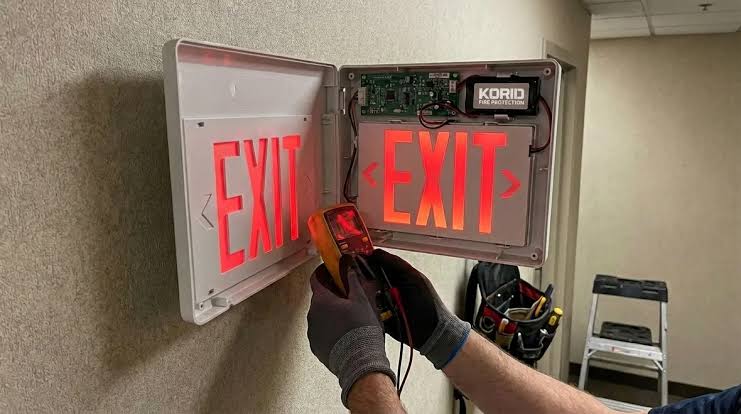
A power failure can leave staircases, corridors, and exit routes in darkness within seconds. In a busy building, people may struggle to find the nearest safe way out, especially if visibility is already poor. This is where emergency exit lights become essential.
Most battery-backed emergency lights are designed to provide backup illumination for a specified period, commonly at least 90 minutes, but the actual runtime depends on the equipment, battery condition, and applicable building requirements. Some systems may provide longer backup.
For offices, hospitals, factories, shopping centres, and other facilities in Pakistan, knowing how long the lights will work is only part of the responsibility. You also need to make sure they activate properly and keep evacuation routes visible during an emergency.
How Long Do Exit Lights Last?
Most battery-powered emergency exit lights are designed to operate for around 90 minutes after the main power supply fails. However, this is a common design duration, not a guarantee for every installation.
The actual backup time depends on several factors, including:
- Battery capacity: The battery must have enough stored power to run the light for its rated duration.
- Battery condition: Age, damage, and poor maintenance can reduce backup performance.
- Light type: Different emergency lighting arrangements have different power requirements.
- Testing and maintenance: Regular checks help identify batteries or components that may no longer perform as expected.
- System design: The required duration may depend on the building’s use and applicable safety standards.
A light that switches on during a power cut may still fail before the required evacuation period ends. That is why checking its full backup performance matters.
What Happens During a Power Failure?
An emergency lighting system uses a backup power source to keep selected lights operating when the normal electricity supply stops. Depending on its design, it may switch on automatically when the main supply fails.
This helps people see their surroundings and follow marked escape routes. The system may support evacuation by illuminating areas such as:
- Corridors and passageways
- Staircases and changes in floor levels
- Exit doors and final exits
- Areas near emergency equipment
- Routes leading towards a safe assembly area
The exact lighting arrangement depends on the building layout and evacuation plan. A large hospital, for example, may need emergency illumination across several floors, while a warehouse may require particular attention to long aisles and exit routes.
Emergency Lights vs Fire Exit Signs
Both emergency lights and fire exit signs support evacuation, but they serve different purposes. Emergency lights provide illumination when normal lighting fails, while exit signs help people identify where to go.
Some signs are illuminated internally, while others rely on external lighting. Their visibility during a power failure depends on the type of sign and its backup arrangement.
A building may need both types of equipment to make evacuation routes easier to identify. Clear signs without sufficient surrounding illumination may be difficult to see, while bright emergency lights alone may not show people which exit to use.
What Affects Emergency Light Runtime?
Even a system designed for a particular backup duration needs suitable operating conditions. A few common issues can reduce how long the lights remain available during an outage.
Battery Age and Condition
Rechargeable batteries lose capacity over time. If a battery becomes weak, it may power the light briefly but fail to provide the expected backup duration.
Regular inspection helps identify batteries that need attention. Damaged batteries or units showing signs of poor performance should be checked by qualified personnel.
Charging Problems
Battery-backed lights need a reliable charging supply during normal operation. A faulty connection, electrical issue, or charging component can leave the battery without enough stored power.
This problem may go unnoticed because the light can appear normal while the main electricity supply is available. Functional testing helps reveal whether the backup arrangement works properly.
Poor Maintenance
Dust, physical damage, loose connections, and neglected testing can affect emergency lighting performance. A light that looks fine from a distance may not operate correctly during an actual outage.
For this reason, maintenance should cover the complete system, including its power supply, batteries, indicators, and lighting components.
How to Check Emergency Exit Lights
A proper testing routine helps building managers understand whether their emergency exit lights are ready for a power failure. Testing should follow the manufacturer’s instructions and the applicable requirements for the building.
The checks may include:
- Visual inspection: Look for damaged covers, loose fittings, blocked signs, or other visible problems.
- Functional testing: Confirm that the lights activate when the normal power supply is interrupted.
- Duration testing: Check whether the lights remain operational for their specified backup period.
- Battery inspection: Look for signs of deterioration or charging problems.
- Maintenance records: Record test dates, faults, repairs, and replacement work.
A short functional test can confirm that a light switches on, but it does not prove that the battery can support the full backup duration. Both checks are important.
Where Are Emergency Exit Lights Important?
Emergency lighting supports building evacuation safety in places where people may need to leave quickly during a power failure or another emergency.
Different buildings have different evacuation challenges. For example:
- Hospitals: Patients and visitors may need assistance finding illuminated routes.
- Factories: Workers may need clear visibility around machinery and production areas.
- Office buildings: Employees and visitors must be able to identify staircases and exit doors.
- Shopping centres: Large public areas can become difficult to navigate when normal lighting fails.
- Airports and commercial facilities: Multiple corridors and access routes may require clear emergency illumination.
The number and placement of lights should follow the building’s design and safety assessment. Simply installing lights near exit doors may leave other parts of an escape route poorly illuminated.
How to Maintain an Emergency Lighting System
A reliable emergency lighting system needs attention throughout its service life. Building managers should establish a maintenance schedule rather than waiting for a power failure to reveal a problem.
A practical maintenance plan should cover the following:
- Follow manufacturer guidance: Use the recommended inspection and testing procedures for each unit.
- Check backup operation: Confirm that lights activate when the normal supply is interrupted.
- Test the rated duration: Verify that the system provides its specified backup time.
- Replace faulty components: Arrange repairs or replacement when batteries, fittings, or connections fail inspection.
- Keep records: Maintain a clear record of tests, faults, and completed maintenance.
Testing should be carried out safely by people who understand the system. Building occupants should also know where the exits are and what to do when an alarm or power failure occurs.
Supporting Fire and Evacuation Safety in Pakistan
Emergency lighting is one part of a building’s wider fire safety arrangements. It works alongside fire alarm systems, exit signs, evacuation procedures, and other protective measures to help people respond during an emergency.
Haseen Habib Trading (Pvt.) Ltd. focuses on fire prevention, emergency preparedness, and workplace safety across Pakistan. Its 111-Safety Newsletter for May–August 2026 highlights fire protection projects, safety awareness activities, and the importance of improving fire safety practices.
For commercial property owners and facility managers, this means looking at evacuation safety as part of the overall building protection plan. Emergency exit lights should be selected, installed, and maintained according to the building’s requirements.
Keep Your Evacuation Routes Ready
A power failure should never leave people guessing where to go. Working emergency lights can help occupants see escape routes and move towards exits with greater confidence.
At Haseen Habib, we believe that protecting people starts with proper safety planning and reliable fire protection arrangements. Speak with our team about your building’s fire safety requirements and take practical steps towards safer evacuation planning across your facility.
Visit Haseen Habib to learn more about our fire safety products and solutions.
Frequently Asked Questions
1. Do emergency exit lights turn on automatically during a power cut?
Most battery-backed emergency lights are designed to activate automatically when their normal electricity supply fails. Their operation depends on the system design and the condition of the backup power source.
2. Can emergency exit lights work for more than 90 minutes?
Yes. Some systems are designed to provide longer backup periods. The actual duration depends on the equipment’s rating, battery capacity, and installation requirements.
3. How do I know if an emergency exit light battery needs replacing?
A battery may need attention if the light fails a duration test, does not charge properly, or shows signs of damage. Follow the manufacturer’s guidance and have faults checked by a qualified person.
4. Are emergency exit lights and fire exit signs the same?
No. Emergency lights illuminate escape routes during a power failure, while fire exit signs identify the direction or location of an exit. Some signs have built-in illumination and their own backup power.