
Where Should Smoke Detectors Be Installed in a Building?
September 28, 2026
Where Should Fire Extinguishers Be Placed in a Building?
October 10, 2026
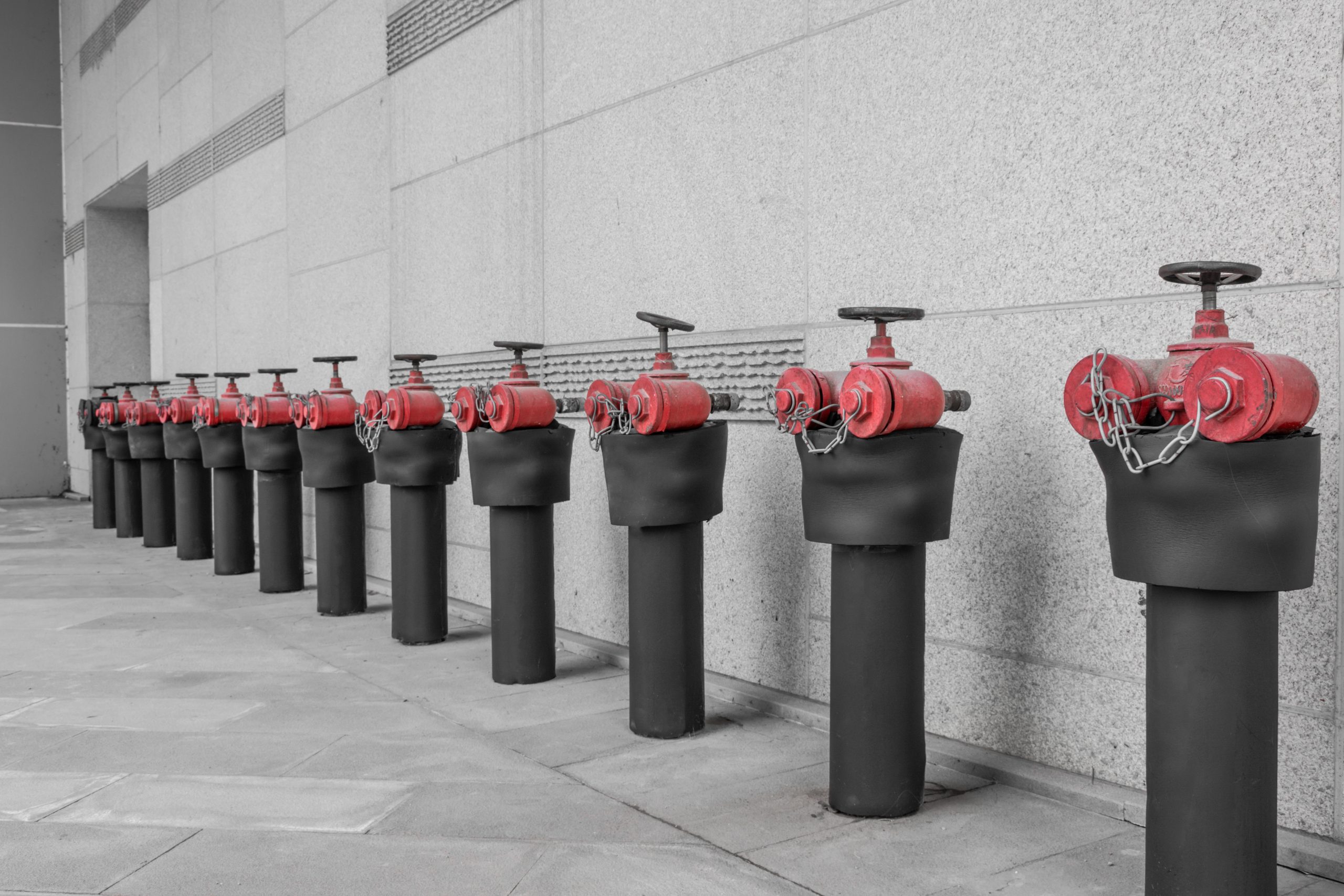
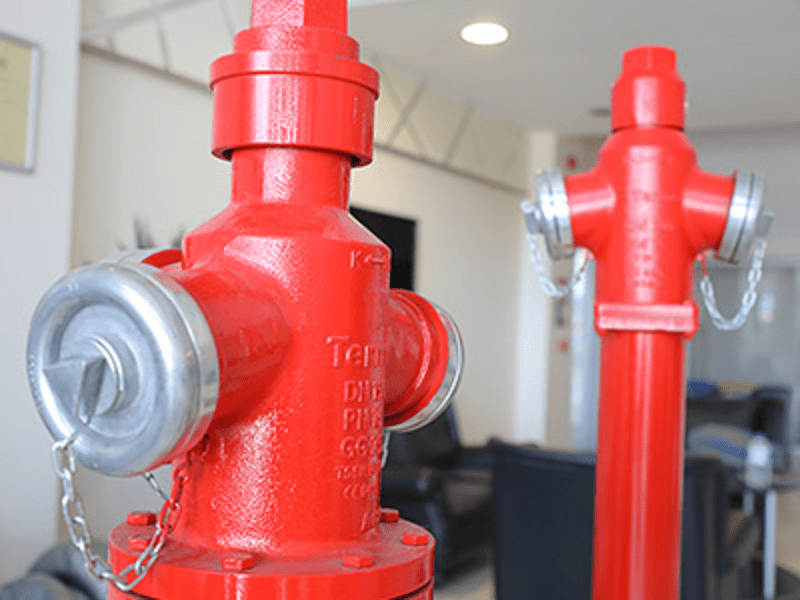
A fire hydrant can look perfectly fine from the outside while having a blocked connection, damaged valve, corrosion, or another problem that affects its performance. That is why waiting for an emergency to discover a fault is never a safe approach.
So, how often should a hydrant be checked? For private fire service mains, NFPA 25 provides specific inspection, testing, and maintenance frequencies. Hydrants are generally inspected annually and after each operation, while flow testing is performed annually.
The exact programme can also depend on the hydrant type, system design, environmental conditions, applicable requirements, and the condition of the installation. For facilities across Pakistan, regular inspection should be part of a wider fire safety system maintenance programme.
How Often Should a Fire Hydrant Be Checked?
A fire hydrant inspection should generally take place at least annually, with an additional inspection after the hydrant has been operated. NFPA 25 also identifies annual flow testing for hydrants within private fire service mains.
Inspection, testing, and maintenance are separate activities. Looking at a hydrant does not confirm that it can deliver the required water flow, while a flow test alone does not replace a physical inspection.
A proper programme therefore combines these activities so that visible defects, operating problems, and water supply issues can be identified before an emergency.
What Does the Schedule Include?
For private fire service mains, the basic frequencies identified by NFPA 25 include:
- Hydrant inspection: Annually and after each operation
- Hydrant flow test: Annually
- Hydrant maintenance: Annually
- Private fire service piping flow test: Every five years
- Dry hydrant checks: More frequent requirements can apply depending on the system and component
These are minimum frequencies under the referenced standard and should not be treated as a universal schedule for every installation. Applicable local requirements, the authority having jurisdiction, manufacturer instructions, and the actual system design also need to be considered.
What Is Checked During Inspection?
A fire hydrant inspection is more than checking whether the hydrant is physically present. The inspection should look for conditions that could prevent firefighters from accessing or operating it properly.
The exact checks depend on the hydrant type, but an inspection can identify issues such as:
- Blocked or difficult access
- Physical damage
- Corrosion affecting the equipment
- Leakage
- Damaged or worn connections
- Problems with caps or operating components
- Missing operating equipment
- Conditions that could interfere with proper operation
These problems may develop gradually, especially in busy industrial or commercial environments. Regular inspection makes it easier to find them before they become an emergency problem.
What Happens During Hydrant Testing?
Hydrant testing checks whether the system can perform under operating conditions. A flow test involves opening the hydrant and allowing water to flow so its performance can be assessed.
NFPA 25 identifies annual hydrant flow testing for private fire service mains. Testing can help reveal changes in available water flow or pressure that may indicate problems within the system.
This makes testing different from a visual inspection. A hydrant may appear undamaged while the connected water supply or piping has a performance issue that cannot be identified simply by looking at the outlet.
Why Flow Testing Matters
Water availability is central to a hydrant system. If pressure or flow has changed significantly, firefighters may not receive the water supply expected during an emergency.
For this reason, test results should be reviewed rather than simply recorded. Unexpected changes can require further investigation to determine whether the problem comes from the water supply, piping, valves, or another part of the system.
What Does Fire Hydrant Maintenance Include?
Fire hydrant maintenance keeps the equipment in suitable operating condition between inspections and tests. The work required depends on what the inspection or test identifies.
Maintenance can involve correcting issues such as leakage, corrosion, damaged components, accessibility problems, or other conditions affecting operation.
A good maintenance programme should also keep records of inspections, tests, identified deficiencies, repairs, and follow-up actions. This gives facility managers a clearer picture of the system’s condition over time.
Why Hydrant Inspection Matters in Pakistan
Pakistan’s commercial and industrial facilities can include offices, factories, warehouses, hospitals, power facilities, chemical plants, airports, ports, and other properties with very different fire risks.
A hydrant system in a large industrial facility may face conditions that differ greatly from one serving an office or commercial building. Dust, chemicals, physical activity, weather exposure, corrosion, and changes to the site can all affect equipment.
Because of this, a facility should not simply copy another property’s maintenance schedule. Its fire hydrant maintenance programme should consider the actual system, environment, hazards, and applicable requirements.
Signs a Fire Hydrant Needs Attention
Routine inspection should identify problems before they become serious. However, facility personnel should also report visible issues as soon as they notice them.
A hydrant deserves immediate attention if you notice:
- Visible physical damage
- Significant corrosion
- Water leakage
- Blocked access
- Missing or damaged components
- Difficulty operating the equipment
- Unexpected changes during testing
- Construction or landscaping that restricts access
A hydrant that has been damaged or obstructed should not simply be left until the next scheduled inspection. Fire protection equipment needs attention whenever a condition could affect its readiness.
What Can Affect Inspection Frequency?
Annual inspection and testing provide an important baseline, but site conditions can create additional concerns. A facility with harsh environmental exposure may require closer attention than a protected installation in a clean indoor environment.
Several factors can affect how closely a system should be monitored:
- Environmental exposure: Heat, moisture, chemicals, dust, and corrosion can affect components.
- Physical activity: Vehicles, construction, storage, and site operations can damage or block hydrants.
- System age: Older installations may require closer assessment.
- Fire risk: Higher-risk facilities need careful management of their fire protection systems.
- System modifications: Changes to piping, water supply, buildings, or surrounding areas can affect performance.
This is why a maintenance plan should be reviewed whenever the facility or its fire protection system changes.
What If a Hydrant Is Used?
A hydrant should be inspected after operation rather than simply returned to its normal position. NFPA 25 identifies inspection after each operation for both dry-barrel and wet-barrel hydrants.
Operating a hydrant can reveal leakage, drainage problems, damaged components, or other issues that may not have been obvious beforehand.
The surrounding fire protection system should also be checked to confirm that it has been restored to its intended operating condition before the facility relies on it again.
Fire Hydrant Inspection Is Part of a Larger System
A hydrant does not work independently. It is connected to other parts of a water-based fire protection arrangement, including piping, valves, pumps, water supplies, and related equipment.
Haseen Habib describes its fire hydrant systems as part of its fixed fire protection solutions, with systems designed for manual firefighting operations and supported by components such as pumps, valves, outlets, cabinets, and hose reels.
That wider connection is why hydrant maintenance should not be treated as an isolated task. A problem elsewhere in the system can affect the hydrant’s performance during an emergency.
Common Hydrant Maintenance Mistakes
A system can become less reliable when routine maintenance is treated as paperwork rather than actual protection. Several simple oversights can create problems over time.
Common issues include:
- Assuming a hydrant is functional because it looks clean
- Blocking hydrant access with vehicles or stored materials
- Skipping flow testing
- Ignoring minor leaks or corrosion
- Failing to document repairs and test results
- Not reassessing the system after building modifications
These mistakes are avoidable when facility managers treat inspection, testing, and maintenance as continuing responsibilities rather than one-time tasks.
How to Build a Hydrant Testing Schedule
Start by identifying every hydrant and the water-based fire protection equipment connected to it. Keep clear records of inspection dates, testing results, maintenance work, and any outstanding deficiencies.
Most importantly, assign responsibility for follow-up. Finding a damaged valve or poor test result is only useful if someone is responsible for correcting the problem and confirming that protection has been restored.
Haseen Habib for Fire Hydrant Systems
Haseen Habib Trading Pvt. Ltd. provides fixed fire protection solutions in Pakistan, including fire hydrant systems, firefighting pumps, sprinkler systems, fire detection and alarm systems, and other fire protection arrangements.
The company also provides fire risk assessments, surveys, training, plans, and consultancy services. These services can help organisations understand their existing fire protection arrangements and identify areas requiring attention.
For facility managers, the goal should be clear: your hydrant system needs to be ready before firefighters need it. Regular fire hydrant inspection, hydrant testing, and fire hydrant maintenance help keep that protection dependable.
Keep Your Hydrant Ready for the Emergency
A hydrant may sit unused for months, but an emergency can demand full performance within seconds. A blocked outlet, damaged valve, or unnoticed system problem can become critical at exactly the wrong moment.
Haseen Habib helps organisations across Pakistan assess, install, and maintain fire protection systems according to their facility needs. If your hydrant system has not been inspected or tested recently, now is the right time to have its condition professionally assessed.
Protecting your people, property, and operations starts long before a fire occurs. Make sure the system you depend on is ready when it matters most.
FAQs
How often should a fire hydrant be inspected?
For private fire service mains, NFPA 25 identifies annual inspection for hydrants, with inspection again after each operation. Additional requirements may apply depending on the hydrant type and system.
How often should hydrants be flow tested?
NFPA 25 identifies annual flow testing for hydrants in private fire service mains. The applicable requirements for a specific installation should always be confirmed based on the system and local authority requirements.
What is checked during fire hydrant maintenance?
Maintenance can address leaks, corrosion, damaged components, accessibility problems, and other conditions that could affect reliable operation. The exact work depends on the hydrant, system design, inspection findings, and applicable requirements.
Is hydrant testing enough to maintain a fire safety system?
No. Hydrant testing is only one part of a wider maintenance programmed. Pumps, valves, piping, water supplies, alarms, sprinklers, and other fire protection equipment may have their own inspection, testing, and maintenance requirements.