How Often Should Fire Safety Equipment Be Inspected?
September 11, 2026
CO₂ vs DCP Fire Extinguisher for Electrical Fires: Which Should You Choose?
September 19, 2026

A pan of cooking oil can catch fire in seconds. In that moment, reaching for the nearest fire extinguisher may feel like the quickest response, but using the wrong type can make the situation more dangerous.
Kitchen fires involving cooking oil or grease need special care. Water can spread burning oil, while some extinguishers may not be suitable for the fire. The right response depends on what is burning, how large the fire is, and whether you can act without putting yourself at risk.
This guide explains which type of fire extinguisher is generally used for grease fires, what to do if cooking oil catches fire, and how to improve kitchen fire safety at home or in a commercial kitchen.
Which Fire Extinguisher Is Best?
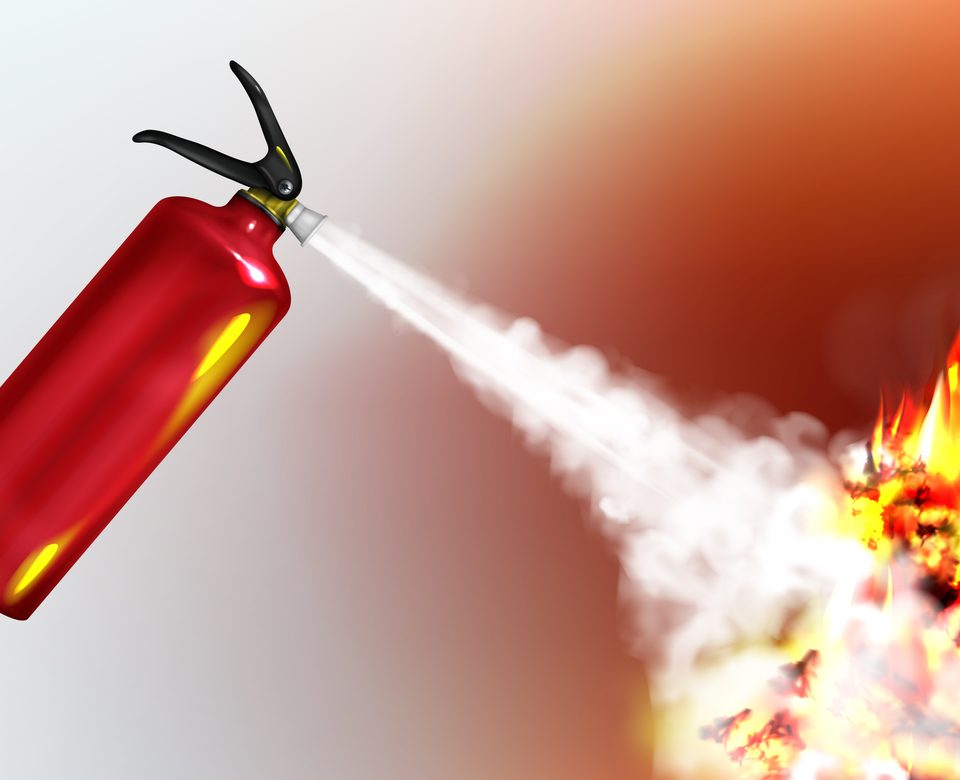
For fires involving cooking oil and fats, a wet chemical fire extinguisher rated for this type of fire is generally the appropriate choice. In systems that use the US classification, these are commonly called Class K fire extinguishers.
The exact classification and approved equipment can vary by country and local requirements. Always check the extinguisher’s label and confirm that it is suitable for the specific cooking hazard.
A grease fire extinguisher is intended for fires involving cooking oils and fats. It should not be assumed to work on every fire in a kitchen, especially if the flames involve electrical equipment, gas, or other materials.
Why Grease Fires Need Special Care
Cooking oil can become extremely hot before it catches fire. If burning oil is disturbed or water is added, the fire can spread quickly and cause serious burns.
This is why a kitchen grease fire extinguisher must be selected for the type of cooking hazard. An extinguisher suitable for paper or ordinary materials may not be suitable for burning oil in a pan or fryer.
Never pour water on burning oil
Water can cause burning oil to splatter and spread the fire. Do not pour water, flour, or other kitchen ingredients onto a grease fire.
If a small pan fire starts, only try to cover it with a suitable lid if you can do so safely and without reaching through flames. Turn off the heat only if the control is safely accessible. Never carry the burning pan.
If the fire grows, spreads, or blocks your exit, leave immediately, close the door behind you if possible, and call the fire service.
What to Know About Class K
Class K fire extinguisher for grease fires is a classification used in some fire safety systems for fires involving cooking oils and fats in cooking appliances. It is especially relevant to commercial kitchens where deep-fat frying or similar cooking creates a specific fire risk.
The label matters because extinguisher classifications are not interchangeable. A unit marked for ordinary combustibles or flammable liquids should not automatically be treated as suitable for a cooking-oil fire.
For kitchens in Pakistan, facility managers should confirm the required type with a qualified fire safety professional and the relevant local authority. The choice should reflect the cooking equipment, fire risk, and applicable requirements.
What Should You Do During a Kitchen Fire?
Your first priority is protecting people, not saving equipment or property. If you are unsure whether the fire can be controlled safely, leave the area and call for help.
For a small, contained pan fire, general safety guidance recommends the following:
- Do not use water on burning oil or grease.
- Do not move the pan or try to carry it outside.
- Keep people away from the cooking area.
- If it is safe, cover the pan with a suitable lid and turn off the heat.
- Leave the lid in place until the pan has cooled.
- If the fire is not immediately controlled, evacuate and call the fire service.
Only use a fire extinguisher if you have been trained, the fire is small and contained, the correct extinguisher is available, and you have a clear escape route behind you. Never let an attempt to fight a fire delay evacuation.
Kitchen Fire Safety for Homes and Businesses
Choosing suitable equipment is only one part of kitchen fire safety. Good habits can reduce the chance of a fire starting and help people respond more safely if one occurs.
In homes, stay near the stove while cooking and keep towels, packaging, and other combustible items away from heat. In commercial kitchens, make sure staff understand emergency procedures and know how to raise the alarm.
A practical kitchen safety routine should include:
- Keep cooking areas clean and remove grease build-up.
- Keep pan handles turned inward where possible.
- Avoid leaving cooking unattended.
- Keep exits and access routes clear.
- Make sure staff know how to raise the alarm and evacuate.
- Arrange appropriate inspection and maintenance of fire protection equipment.
- Provide training that matches the risks and equipment in the kitchen.
For example, a restaurant with deep-fat fryers has different risks from a small office pantry. Its fire safety arrangements should reflect the cooking equipment, layout, and people who use the space.
Choosing Equipment for Your Kitchen
Before selecting a fire extinguisher for oil or grease, identify the type of cooking taking place and the hazards nearby. A kitchen may contain more than one fire risk, so one extinguisher may not cover every situation.
Consider these questions:
- Is cooking oil or fat heated in pans or fryers?
- Are there gas appliances or electrical equipment nearby?
- Is the kitchen used by staff, residents, visitors, or the public?
- Are exits easy to reach from the cooking area?
- Do staff know what to do if a fire starts?
- Does the equipment meet applicable local requirements?
A qualified fire safety professional can help assess the risks and identify suitable equipment and procedures. Avoid choosing an extinguisher based only on its size, colour, or general description.
Common Mistakes to Avoid
A kitchen may have fire protection equipment and still be unsafe if people do not know when or how to use it. Avoid these common mistakes:
- Pouring water onto burning oil
- Assuming every extinguisher works on every type of fire
- Trying to move a burning pan
- Fighting a fire that has spread or blocks an exit
- Leaving cooking unattended
- Blocking access to exits or fire safety equipment
- Skipping staff training or equipment checks
If there is any doubt, evacuate and call the fire service. Property and equipment can be replaced; people’s safety comes first.
Get Help With Kitchen Fire Safety
The right fire protection arrangements depend on the kitchen, its equipment, and the risks present. A home kitchen, restaurant, hospital kitchen, industrial canteen, and commercial food facility may need different assessments and safety measures.
Haseen Habib Trading Pvt. Ltd. supports organizations across Pakistan with fire safety equipment and related fire protection services. A professional assessment can help you understand the risks in your facility and plan suitable protection.
Protect the People Who Use Your Kitchen
A kitchen fire can become dangerous before anyone has time to think through their options. Make sure your staff know how to raise the alarm, evacuate, and avoid unsafe actions around burning oil.
Contact Haseen Habib to discuss your facility’s fire safety needs and help protect the people who depend on your workplace every day.
Frequently Asked Questions
Which extinguisher is used for a grease fire?
A wet chemical extinguisher rated for cooking-oil and fat fires is generally used. In some classification systems, this is called a Class K extinguisher. Confirm suitability for your kitchen and local requirements.
Can I use water on a kitchen grease fire?
No. Water can make burning oil splatter and spread the fire. Keep people away, evacuate if the fire is not safely controlled, and call the fire service.
Is a regular fire extinguisher suitable for cooking oil?
Not necessarily. Extinguishers are designed for specific types of fires. Check the label and get professional advice rather than assuming a general-purpose extinguisher is suitable for burning cooking oil.
What should I do if a pan of oil catches fire?
Do not move the pan or pour water on it. If the fire is small and you can act safely, cover it with a suitable lid and turn off the heat if the control is safely reachable. Otherwise, evacuate and call the fire service.