Why Is a Water Hydrant Important in Fire Fighting Systems?
August 20, 2026
What Size Fire Extinguisher Is Best for a Car?
August 25, 2026
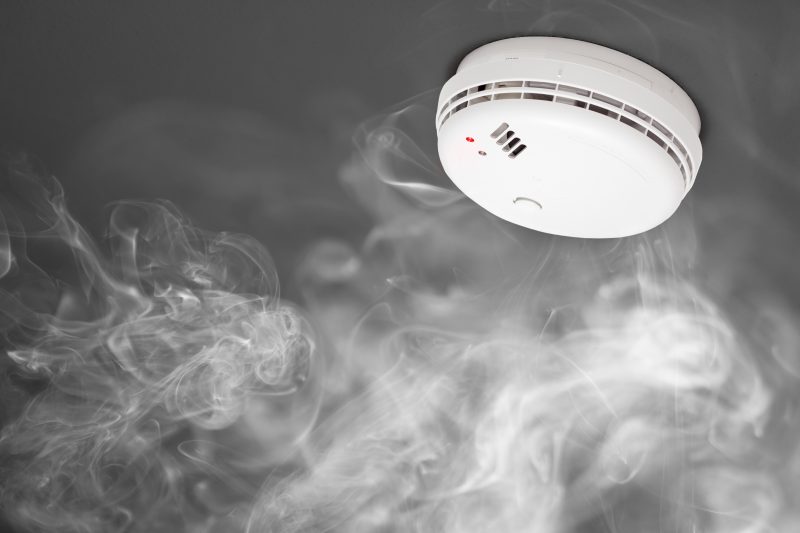
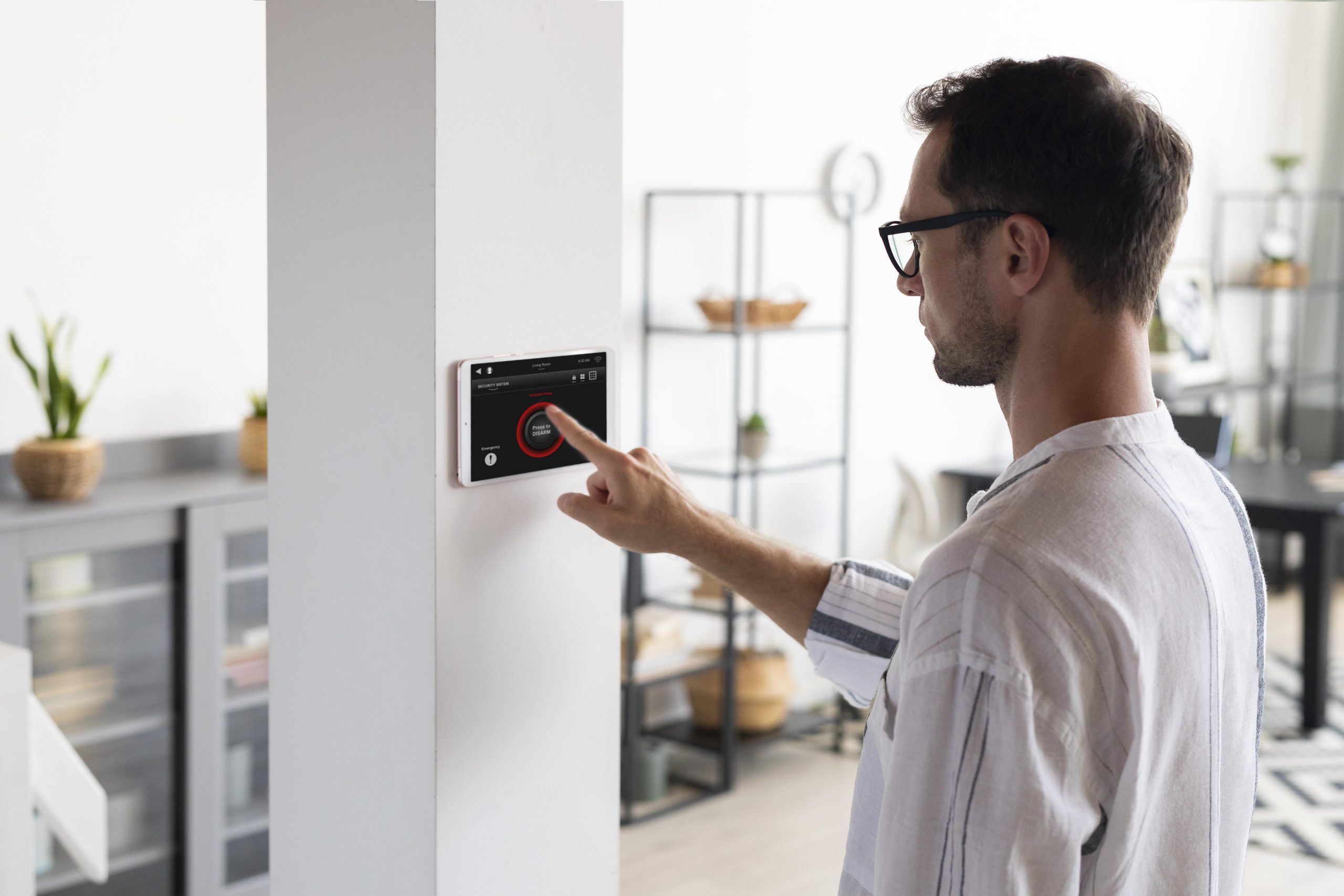
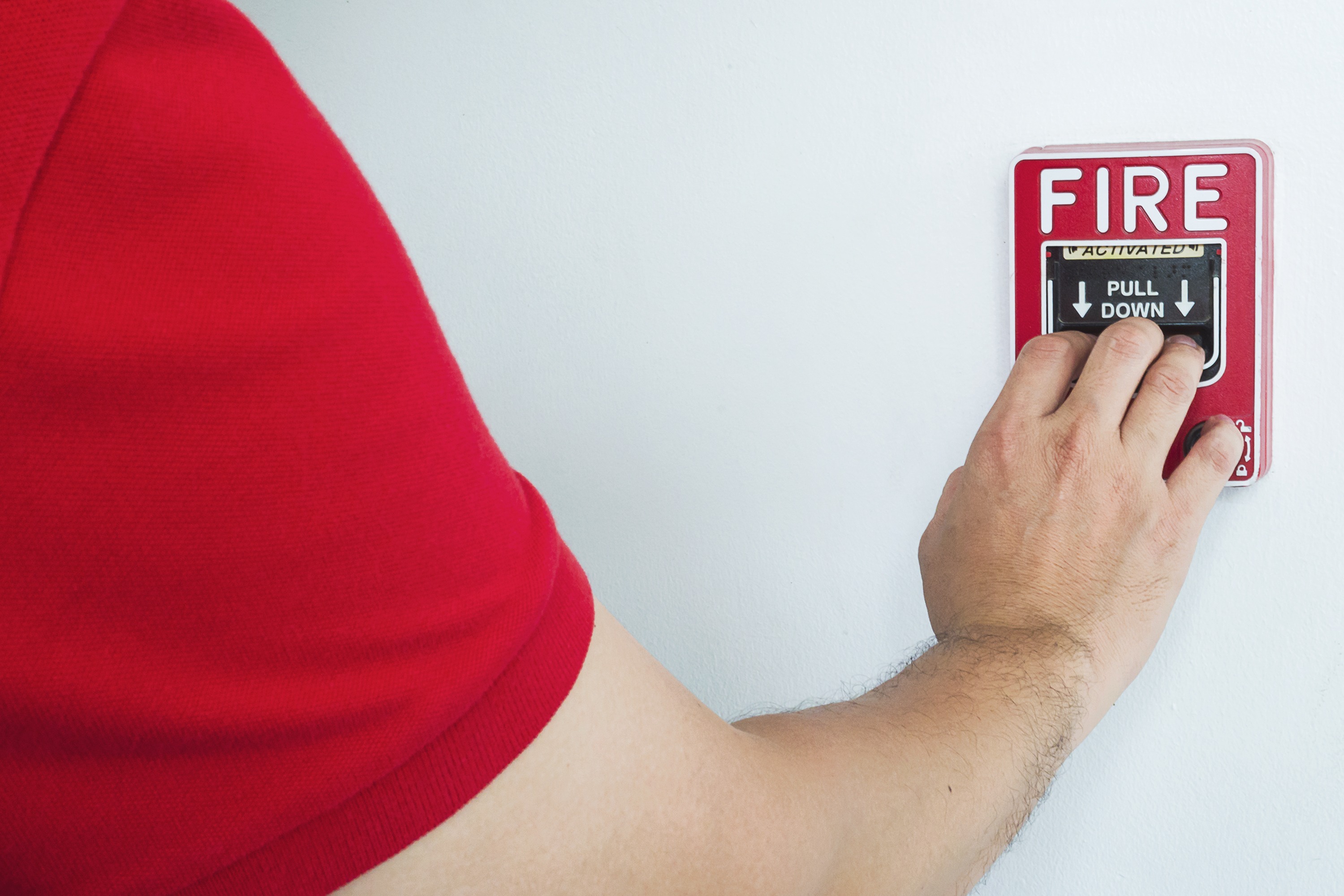
A smoke detector alarm going off when there is no visible fire can be unsettling, especially in a workplace, hospital, warehouse, or industrial facility. Before assuming the detector is faulty, it is worth checking what may have triggered it.
Smoke detectors respond to particles in the air, not only flames. Cooking fumes, steam, dust, insects, electrical issues, low batteries, poor placement, or a genuine fire can all cause an alarm. In larger facilities, repeated false alarms can also point to maintenance or system-design issues that need professional attention.
Understanding the cause helps you respond correctly without ignoring a warning that could indicate a real emergency.
Why Does a Smoke Detector Alarm Sound?
A smoke detector alarm is designed to react when smoke particles enter its sensing chamber. However, certain airborne particles can resemble smoke to the detector and trigger an unwanted alarm.
That does not mean the alarm should simply be silenced and forgotten. Frequent activations deserve investigation because the underlying cause may affect the reliability of your entire fire detection system.
Common causes include:
- Steam or moisture: Steam from bathrooms, kitchens, industrial processes, or humid areas can interfere with smoke sensing.
- Dust and construction particles: Renovation, drilling, sanding, and accumulated dust can enter the detector and cause unwanted activation.
- Cooking fumes: Smoke and fine particles from cooking can trigger detectors installed too close to kitchens or food preparation areas.
- Insects: Small insects or debris inside the sensing chamber can interfere with normal operation.
- Low battery or power problems: Some standalone alarms produce intermittent chirping when their battery is weak.
- Poor detector placement: Installing a detector too close to air vents, bathrooms, kitchens, or other sources of airborne particles can increase false alarms.
- Electrical or equipment faults: Wiring problems, damaged components, or faults within an interconnected alarm system can cause unexpected activation.
- Actual smoke or fire: Never assume an alarm is false simply because flames are not immediately visible.
The last point matters most. If a detector activates unexpectedly, occupants should treat the warning seriously until the area has been checked and the cause is established.
How Steam and Cooking Fumes Trigger Alarms
Steam is one of the most common reasons a smoke detector alarm may activate without a fire. Water droplets suspended in the air can affect the detector’s sensing mechanism and produce a response similar to smoke particles.
Cooking fumes can create a similar problem, particularly when detectors are installed too close to kitchens or areas where hot processes generate airborne particles. Proper detector placement can reduce nuisance alarms.
For commercial and industrial facilities, this issue can be more complicated because normal operations may generate steam, dust, vapours, or other airborne contaminants.
Haseen Habib provides fixed fire protection solutions that include intelligent addressable fire detection and alarm systems, with detectors, control panels, sounders, interfaces, and related components.
Can Dust Cause False Smoke Alarms?
Yes. Dust can enter a detector’s sensing chamber and interfere with its ability to distinguish smoke from harmless airborne particles.
This is especially relevant in warehouses, factories, construction areas, workshops, and facilities where dust is generated as part of routine operations. A detector exposed to heavy contamination may require cleaning, inspection, or replacement.
Maintenance should follow the detector manufacturer’s instructions rather than relying on improvised cleaning methods. Regular maintenance helps keep detection equipment ready to respond when genuine smoke is present.
If alarms continue after cleaning and environmental sources have been addressed, a qualified technician should inspect the detector and the wider fire alarm system.
When Should You Check the Detector?
Repeated alarms should never become something employees simply learn to ignore. A recurring activation may indicate environmental interference, incorrect positioning, a maintenance problem, or a genuine fire risk.
Start by checking the immediate area for visible smoke, unusual heat, burning smells, electrical problems, or other signs of fire. Follow your facility’s emergency procedures and evacuate when required.
Once the situation is confirmed safe, investigate the detector itself. The following checks can help identify recurring problems:
- Check whether the detector is located near steam, cooking fumes, vents, or dusty operations.
- Look for visible contamination, insects, physical damage, or other obstructions.
- Check the power supply or battery according to the manufacturer’s instructions.
- Review the alarm panel for fault or zone information in an interconnected system.
- Record when and where the alarm occurs to identify recurring patterns.
- Arrange professional inspection if the alarm continues without an obvious environmental cause.
This approach helps separate a temporary nuisance alarm from a problem that requires technical attention.
Why Detector Placement Matters
A detector can be technically sound and still perform poorly if it is installed in the wrong location. Placement affects what the sensing chamber encounters and how quickly the system can detect an actual fire.
Steam, dust, ventilation patterns, cooking fumes, and industrial processes can all influence detector performance. This makes proper planning especially important in facilities with changing environmental conditions.
Large facilities need even more careful planning because different areas can have very different environmental conditions. A clean office, chemical processing area, warehouse, data centre, and kitchen should not automatically receive the same detection approach.
Haseen Habib’s fixed systems portfolio includes very early smoke detection apparatus for environments such as data centres, clean rooms, telecommunications facilities, and other mission-critical locations.
What If the Alarm Keeps Going Off?
If the smoke detector alarm repeatedly activates after obvious causes have been addressed, do not permanently disable it. Removing or bypassing a detector can leave an area without early warning when a real fire occurs.
For standalone alarms, check the battery and clean the unit according to manufacturer instructions. For larger systems, recurring alarms should be investigated through the fire alarm control panel and system records.
Professional installation and inspection are particularly important for commercial and industrial buildings. Detector positioning, wiring, system configuration, testing, and maintenance all influence whether the system responds correctly during an emergency.
If multiple detectors activate or the alarm indicates a specific zone, treat the event as potentially serious until trained personnel establish the cause.
How Can Businesses Reduce False Alarms?
Reducing nuisance alarms is not about making detectors less sensitive. The goal is to design and maintain a system that can detect genuine fire conditions while accounting for the normal environment.
For facility managers and safety professionals, that means looking beyond the detector itself. The building’s layout, occupancy, processes, ventilation, hazards, evacuation routes, and maintenance programme all influence fire protection performance.
A reliable fire safety plan may include:
- Correctly selected and positioned detection devices
- Regular inspection, testing, and maintenance
- Suitable fire safety equipment
- Clearly identified evacuation routes
- Emergency exit lights and signs that remain visible during power failure
- Staff training and emergency drills
- Fire risk assessments for changing workplace conditions
These elements work together. Early detection gives occupants a warning, while emergency exit lights and fire safety equipment support a safer response and evacuation.
What Should You Do When It Sounds?
When an alarm sounds unexpectedly, the safest response is to investigate it as a potential fire rather than immediately assuming it is a false alarm.
In a commercial or industrial environment, employees should follow the site’s established emergency procedure and avoid delaying evacuation while trying to identify the cause themselves.
If there is smoke, fire, burning odour, unusual heat, or any uncertainty about the situation, move to safety and follow the facility’s emergency response plan. Fire detection systems exist to provide early warning, so disabling them because of repeated nuisance alarms can create a far greater risk.
For organizations managing complex facilities, professional fire risk assessments and system inspections can help identify why unwanted alarms are happening and whether the existing detection strategy remains suitable.
Build a More Reliable Fire Safety System
A smoke detector alarm is only one part of a building’s fire protection strategy. Haseen Habib provides fire detection, suppression, firefighting, industrial safety, rescue equipment, training, fire risk assessments, surveys, planning, and consultancy for organizations across Pakistan.
With decades of experience serving government bodies, strategic defense organizations, multinational companies, and industrial sectors, Haseen Habib approaches fire protection as a complete safety responsibility rather than a single equipment purchase.
If unexpected alarms are becoming a recurring problem at your facility, don’t wait for a real emergency to reveal a weakness. Speak with Haseen Habib about your detection and fire protection requirements, so your people, property, and operations have the protection they deserve.
Frequently Asked Questions
Why does my smoke detector alarm go off for no reason?
Steam, cooking fumes, dust, insects, low batteries, poor placement, system faults, or genuine smoke can trigger an alarm even when flames are not visible.
Can humidity cause a smoke detector to beep?
High moisture and steam can interfere with smoke detection and cause nuisance alarms, particularly when detectors are installed close to bathrooms or other moisture sources.
Should I disable a smoke detector that keeps alarming?
No. Disabling a detector removes an important early-warning layer. The cause should be identified and corrected through appropriate cleaning, maintenance, repositioning, or professional inspection.
How often should smoke detectors be checked?
Smoke alarms should be tested regularly according to manufacturer instructions, while commercial fire detection systems should follow an appropriate inspection, testing, and maintenance programme.