Fire Pump Selection Guide: Electric, Diesel & Jockey Pumps Explained
October 22, 2026
How Does Fall Protection Equipment Help Prevent Workplace Falls?
October 28, 2026
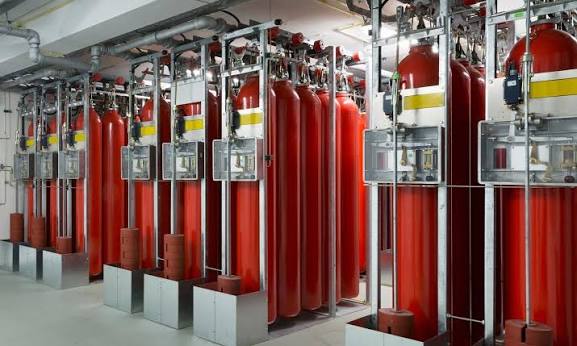
A fire in a server room, control room, or other equipment area can damage critical systems within minutes. Water from conventional firefighting methods may also create additional cleanup and equipment recovery challenges. That is why businesses need to consider fire protection that suits the space and the equipment inside it.
An FK-5-1-12 fire suppression system uses a clean agent to control fires without leaving the powder or liquid residue associated with some other extinguishing methods. It is designed for suitable enclosed spaces where protecting valuable equipment is a priority.
For organisations in Pakistan, this type of clean agent fire suppression system may offer an important option for protecting sensitive assets. Understanding its benefits, limitations, and installation needs can help you decide whether it fits your facility’s fire safety plan.
What Is an FK-5-1-12 System?
An FK-5-1-12 fire suppression system is a fixed fire protection arrangement that releases a clean extinguishing agent when a fire is detected and the system activates. The agent interrupts the combustion process and helps control the fire in a properly designed protected space.
The agent is stored in dedicated cylinders and released through a distribution network. Detection and control equipment work together to activate the system according to its design.
Because the agent does not leave solid or liquid extinguishing residue under normal discharge conditions, it can be suitable for areas containing sensitive electronic equipment. However, the room, system design, and protected hazards must all be assessed before installation.
What Are the Main Benefits?
The main benefits of an FK-5-1-12 clean agent system include residue-free discharge, suitability for selected sensitive equipment areas, and automatic operation when correctly designed and installed.
These features can make it useful for organisations that need fire protection without creating unnecessary recovery work after a discharge.
1. Protects Sensitive Equipment
Electronic equipment can be expensive to repair or replace. A fire may damage servers, communication devices, control panels, and other important systems, while unsuitable extinguishing methods can add further recovery work.
An FK-5-1-12 system is designed for applications where protecting sensitive equipment is a major concern. It can be considered for server rooms, communication facilities, and other protected equipment rooms following a proper risk assessment.
For example, a business relying on its server room to manage daily operations needs a fire protection plan that considers both fire control and the risk of equipment downtime.
2. Leaves No Solid Extinguishing Residue
Some fire suppression methods leave powder or water behind, which can make cleaning and equipment recovery more difficult. FK-5-1-12 is a clean agent that does not leave solid or liquid extinguishing residue after discharge under normal system conditions.
This residue-free fire suppression benefit can reduce post-discharge cleaning concerns in suitable applications. However, any fire can still leave smoke, heat damage, or other contamination that needs professional assessment.
3. Supports Automatic Fire Response
An automatic fire suppression system can activate when its detection and control arrangements identify the conditions specified in its design. This helps the system respond without relying entirely on someone noticing the fire and manually operating equipment.
In an appropriately designed FK-5-1-12 installation, detection, alarms, control panels, and agent release work together as part of the fire response sequence.
Automatic operation does not remove the need for maintenance, testing, staff training, or evacuation procedures. People must be able to respond safely when the system alarms or activates.
4. Helps Reduce Equipment Downtime
A fire in a server room or control area can interrupt business operations, communication, or industrial processes. Recovery may take longer if sensitive equipment needs extensive cleaning or replacement.
Because the agent leaves no solid or liquid extinguishing residue under normal discharge conditions, an FK-5-1-12 system may reduce some cleanup work compared with residue-producing agents.
The actual recovery time still depends on the fire, heat exposure, smoke, and condition of the equipment. Clean agent suppression cannot guarantee that systems will remain undamaged or continue operating after a fire.
5. Suitable for Critical Equipment Areas
Some facilities need fire protection that considers both the fire risk and the value of the equipment being protected. An industrial fire suppression system using a clean agent may be considered for suitable enclosed areas where water or residue-producing agents could create additional concerns.
Possible applications include:
- Server and data rooms
- Communication and network rooms
- Control rooms
- Selected electrical equipment rooms
- Other enclosed spaces identified through a fire risk assessment
Not every room or fire hazard is suitable for FK-5-1-12. The system must be selected according to the materials present, room conditions, and applicable fire protection requirements.
6. Uses a Fixed Fire Protection Arrangement
A fixed system keeps its extinguishing agent and release equipment installed in a designated location. When the system activates, the agent travels through its distribution network into the protected space.
This arrangement can protect an area without requiring someone to carry a portable extinguisher to the fire. However, portable extinguishers and other fire safety measures may still be needed elsewhere in the facility.
A properly planned fixed fire suppression system should form part of the building’s wider fire protection strategy, including detection, alarms, emergency procedures, and maintenance.
How Does an FK-5-1-12 System Work?
Understanding the operating sequence helps facility managers know what to expect during a fire emergency. The exact arrangement depends on the system design, detection equipment, and release controls.
A typical installation follows these stages.
- Fire detection: Detection equipment identifies the conditions specified in the system design.
- Alarm activation: Audible or visual warnings alert people to the potential emergency.
- System release: The control arrangement activates the agent release sequence according to its approved design.
- Agent discharge: The clean agent enters the protected area through the distribution network.
- Fire control: The agent helps interrupt combustion when the system has been correctly designed for the hazard.
People must follow the alarm and evacuation procedures for the facility. Do not assume that a discharge means the area is immediately safe to enter.
Is FK-5-1-12 Suitable for Every Facility?
No. The benefits of an FK-5-1-12 fire suppression system depend on the protected space, the fire hazards, and the way the system is designed.
Before selecting this technology, a qualified fire protection professional should assess the facility and confirm whether it is suitable.
Check the Room’s Enclosure
Clean agent systems are often designed for enclosed spaces where the required agent concentration can be achieved and maintained for the specified period.
Doors, openings, ventilation, and other air leakage paths can affect performance. The room may need to be assessed and prepared according to the system design.
Identify the Fire Hazards
Different materials can create different fire risks. A system intended for electronic equipment areas may not be appropriate for every industrial process or combustible material.
The assessment should identify the likely fire scenarios and confirm that the selected agent is suitable for them.
Consider Occupant Safety
A clean agent system must be designed with people in mind, not just equipment. The agent concentration, room occupancy, warning arrangements, and evacuation procedures need careful review.
People should receive clear instructions about what to do when an alarm sounds or the system discharges. Re-entry should only occur when authorised personnel confirm that conditions are safe.
Plan for Inspection and Maintenance
Even a properly installed system can become unreliable if it is neglected. Cylinders, detection devices, release controls, alarms, and distribution components require inspection and maintenance according to the applicable requirements.
A maintenance plan helps identify issues before the system is needed in an emergency.
FK-5-1-12 vs Other Fire Suppression Methods
Different fire suppression methods serve different purposes. Choosing between them requires a review of the protected equipment, fire hazards, room conditions, and recovery needs.
| Consideration | FK-5-1-12 clean agent | Water-based systems | Dry chemical powder |
| Extinguishing residue | No solid or liquid agent residue under normal discharge conditions | Water remains after discharge | Powder residue remains |
| Sensitive electronics | May suit selected protected equipment areas | Water exposure may create additional damage | Residue may require extensive cleaning |
| Typical application | Suitable enclosed spaces identified by risk assessment | Areas designed for sprinklers or water-based protection | Suitable hazards identified by extinguisher or system rating |
| Main design concern | Room integrity, agent concentration, and occupant safety | Water supply and distribution | Fire hazard suitability and residue management |
These methods are not direct replacements for one another. For example, a clean agent system protecting a server room does not automatically replace the sprinkler system required elsewhere in a building.
A facility may need several forms of fire protection to address different hazards. The final arrangement should follow the approved fire safety design.
Where Can FK-5-1-12 Systems Be Used?
An FK-5-1-12 clean agent fire suppression system may be considered for enclosed areas containing sensitive equipment or assets that could be difficult to recover after a fire.
The following examples show where a system may be evaluated.
Data and Server Rooms
Servers support business applications, stored information, and internal communication. A fire in these rooms can interrupt important operations and create costly recovery work.
A clean agent system may be suitable when the room, equipment, and fire hazards meet the design requirements.
Telecom and Communication Facilities
Communication facilities often contain equipment needed to maintain network services. Fire protection planning should consider both the equipment and the consequences of service interruption.
A clean agent system may be evaluated for suitable enclosed equipment rooms as part of a wider fire protection plan.
Industrial Control Rooms
Industrial facilities may use control rooms to monitor equipment and manage production processes. A fire in these areas can affect operations and create risks for workers.
The appropriate protection method depends on the room’s equipment, surrounding hazards, and operational requirements.
Electrical and Technical Rooms
Some electrical or technical rooms contain sensitive components that may be affected by fire, smoke, or extinguishing residue. A fire risk assessment can help determine whether clean agent suppression is suitable.
The decision should account for the actual hazards rather than assuming every electrical room needs the same system.
What Should You Check Before Installation?
Selecting an FK-5-1-12 fire suppression system requires more than choosing the extinguishing agent. The complete installation must be designed around the protected room and its fire risks.
Before proceeding, make sure the project team considers these points:
- Fire risk assessment: Identify likely fire scenarios and protected assets.
- Room suitability: Assess enclosure conditions, openings, and ventilation.
- System design: Confirm the required agent concentration and distribution arrangement.
- Detection and alarms: Plan how the system identifies a fire and alerts occupants.
- Occupant safety: Establish suitable warnings, evacuation procedures, and safe re-entry arrangements.
- Maintenance planning: Confirm inspection, testing, servicing, and documentation requirements.
These checks help the selected system meet the needs of the facility instead of relying on assumptions about the technology.
Protect Critical Equipment With Haseen Habib
A fire can disrupt essential services, damage valuable equipment, and interrupt business operations. For organisations that depend on server rooms, communication systems, and other sensitive assets, the right fire protection arrangement can help reduce these risks.
Haseen Habib provides fire safety equipment and related fire protection services for organisations across Pakistan. Our fire protection offerings include fixed systems designed for different applications, helping businesses assess their requirements and consider suitable protection options.
If you’re planning a new installation or reviewing an existing setup, our team can discuss your facility’s needs and the role a clean agent system may play in your fire safety plan.
Explore our fire protection systems to learn more about the options available for your facility.
Protect the systems your business depends on before an emergency puts them at risk. Contact Haseen Habib to discuss your FK-5-1-12 fire suppression system requirements and take a practical step towards better fire preparedness.
Frequently Asked Questions
1. What is an FK-5-1-12 fire suppression system?
It is a fixed fire suppression system that uses a clean agent to control suitable fires. It is often considered for enclosed areas containing sensitive electronic equipment, subject to a proper fire risk assessment.
2. Does FK-5-1-12 leave residue after discharge?
The agent does not leave solid or liquid extinguishing residue under normal discharge conditions. However, smoke, heat, and fire damage may still require cleaning and equipment assessment.
3. Is FK-5-1-12 safe for server rooms?
It may be suitable for server rooms when the system is properly designed for the room, fire hazards, and occupancy conditions. Detection, alarms, evacuation procedures, and safe re-entry arrangements remain essential.
4. Does an FK-5-1-12 system replace sprinklers?
Not automatically. Clean agent systems and sprinklers serve different applications. A qualified fire protection professional should determine which systems are needed to meet the facility’s hazards and applicable requirements.