
What Size Fire Extinguisher Is Best for a Car?
August 25, 2026What Happens If Emergency Exit Lights Fail During a Power Outage?
August 28, 2026
A fire extinguisher can look perfectly fine while its pressure is low, a seal is damaged, or its access is blocked. The same applies to alarms, emergency lighting, hydrants, and other Fire Safety Equipment. When an emergency occurs, there is no time to discover these problems.
So, how often should fire safety equipment be inspected? The answer depends on the type of equipment, applicable standards, manufacturer instructions, building risk, and local requirements. However, routine checks should form part of every organization’s fire safety programme.
For businesses, hospitals, factories, offices, warehouses, and other high-risk facilities across Pakistan, regular inspection helps identify problems before they become dangerous failures. It also supports compliance, emergency preparedness, and the protection of people and property.
How Often Should It Be Checked?
There isn’t one inspection interval that applies to every item of Fire Safety Equipment. Portable extinguishers, alarm systems, emergency lights, hydrants, and suppression systems have different inspection and maintenance requirements.
For portable fire extinguishers, NFPA guidance calls for inspections at intervals not exceeding 31 days, while annual maintenance is performed by qualified personnel. Manufacturer instructions and applicable local requirements should also be followed.
For larger facilities, inspection should be part of an ongoing safety programme rather than an occasional exercise. This is particularly important in industrial environments where fire hazards can change as equipment, processes, chemicals, or building layouts change.
A practical schedule should therefore include:
- Routine visual checks: Look for obvious damage, obstruction, leakage, missing parts, or other visible problems.
- Monthly equipment inspections: Check portable extinguishers and other equipment according to the applicable standard and manufacturer’s instructions.
- Periodic professional servicing: Have qualified personnel examine, test, service, or repair equipment when required.
- Annual fire safety reviews: Assess the wider fire protection system, emergency arrangements, and building risks.
- Additional inspections after incidents: Equipment affected by discharge, damage, relocation, or other unusual conditions should be checked before being relied upon again.
The exact schedule should always be documented so facility managers know what needs checking, who is responsible, and when the next inspection is due.
Why Regular Inspection Matters
Fire protection equipment is installed to work during an emergency, but equipment can deteriorate while sitting unused. Pressure can change, components can become damaged, batteries can fail, and access routes can become obstructed.
A facility may therefore appear protected on paper while having equipment that isn’t ready for actual use. Regular inspection closes that gap by checking whether the systems installed for protection remain available and functional.
This matters especially in Pakistan, where authorities continue to place greater attention on building fire safety. Punjab Civil Defence identifies fire detection and alarm systems, extinguishers, hydrants, sprinklers, emergency fire control rooms, and evacuation plans among required fire safety measures for relevant premises.
Sindh Civil Defence also conducts inspections of industrial and commercial establishments and high-rise buildings under applicable fire safety rules and the Building Code of Pakistan’s fire safety provisions.
Inspecting Fire Extinguishers
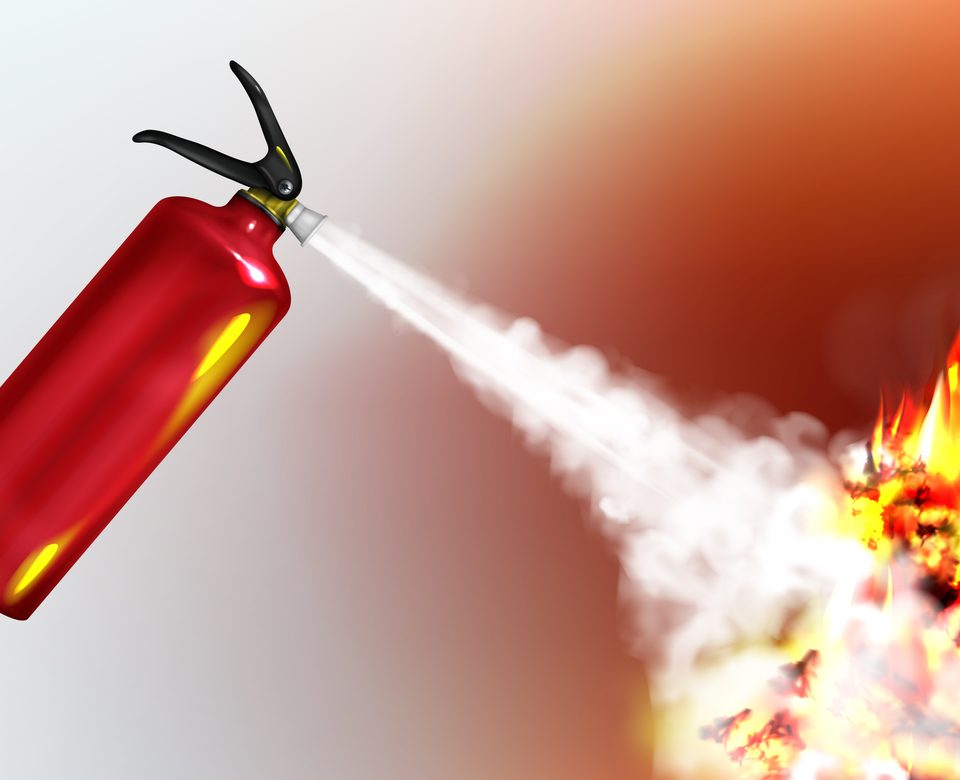
Portable extinguishers are among the easiest pieces of Fire Safety Equipment to overlook because they usually remain unused. That doesn’t mean they can simply be left untouched for years.
A routine inspection should confirm that the extinguisher remains in its designated location, is visible and accessible, has an appropriate pressure reading where applicable, and shows no obvious physical damage, corrosion, missing parts, or broken tamper seals. NFPA inspection guidance addresses these points specifically.
What Should You Check?
During a routine visual inspection, look for:
- Correct location: The extinguisher should remain where it has been designated.
- Clear access: Furniture, stock, machinery, or other items shouldn’t block it.
- Pressure: The gauge or indicator should show the appropriate operating condition where applicable.
- Physical condition: Check for dents, corrosion, leakage, or other visible damage.
- Safety seal: Confirm the tamper indicator or seal hasn’t been broken without explanation.
- Hose and nozzle: Make sure they aren’t damaged, blocked, or missing.
- Identification: The label should remain readable so users can identify the extinguisher type.
- Maintenance record: Check that required servicing and inspection records are up to date.
A visual check doesn’t replace professional servicing. If an extinguisher has been discharged, damaged, or otherwise found defective, it should be assessed by qualified personnel before being returned to service.
Checking Smoke Detector Alarms
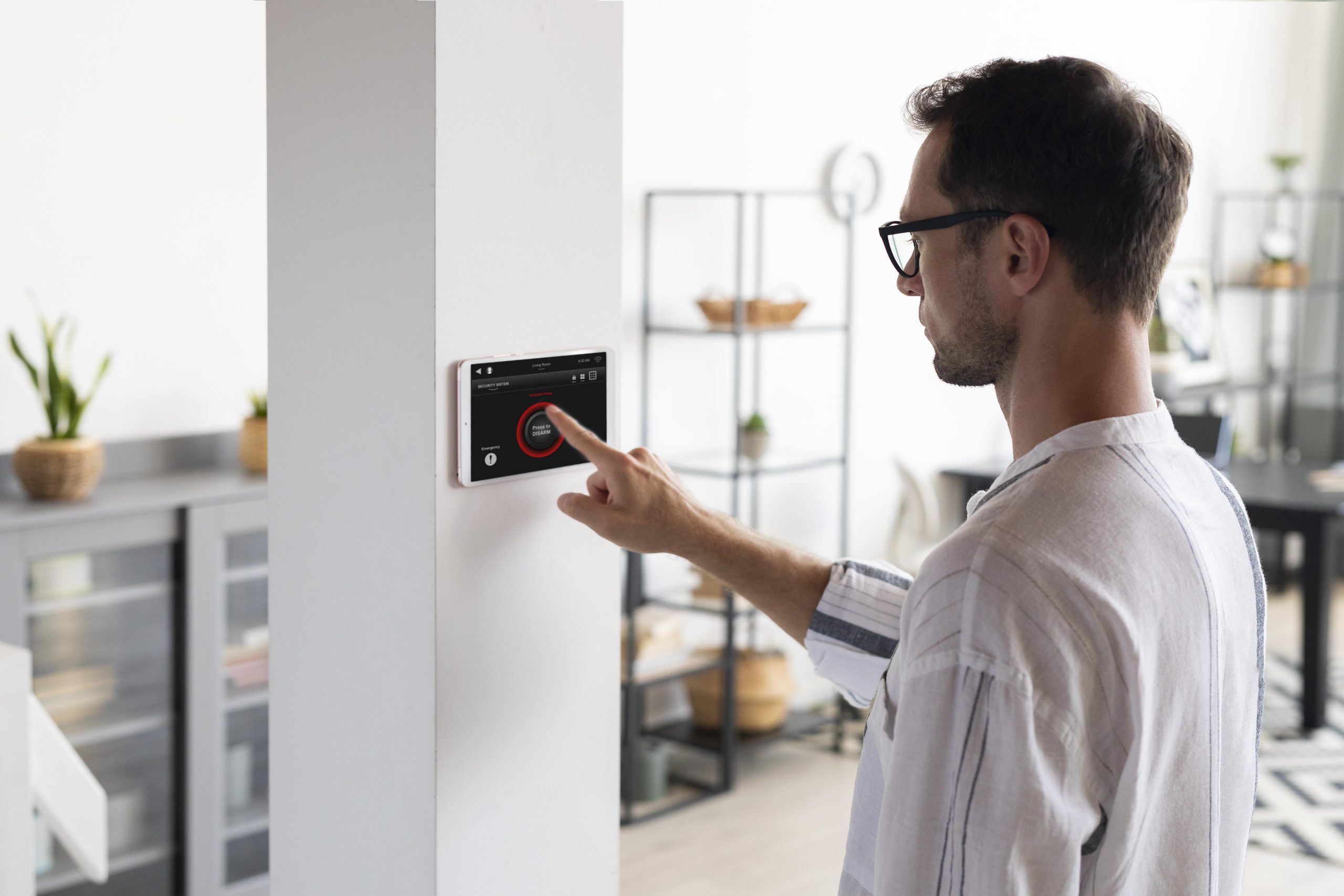
A smoke detector alarm provides an early warning that can give occupants valuable time to respond. But an alarm that isn’t tested or maintained cannot be relied upon simply because it is installed on the ceiling.
Testing requirements depend on the type of system, applicable standard, manufacturer instructions, and building use. NFPA materials for household smoke alarms recommend monthly testing and replacement at the manufacturer’s specified end-of-life point.
Commercial fire alarm systems require a more structured inspection, testing, and maintenance programme. Larger facilities should have qualified personnel or competent service providers verify detectors, alarm panels, notification devices, power supplies, and associated components according to the applicable requirements.
For facility managers, the important question isn’t simply whether alarms are installed. It is whether the entire detection and alarm system has been tested, documented, and kept operational.
Inspecting Emergency Exit Lights
During a power failure or fire, normal lighting may disappear exactly when occupants need clear visibility. Emergency exit lights and illuminated signs help people identify escape routes and exits.
Their inspection should confirm that the lights are visible, unobstructed, physically intact, and capable of operating when normal power is unavailable. Batteries and other components also need appropriate testing and replacement according to the system’s requirements.
This becomes particularly important in hospitals, offices, shopping centres, factories, warehouses, hotels, and high-rise buildings where evacuation may involve large numbers of people.
Pakistan’s recent fire safety measures also show the importance of escape routes and emergency lighting. In August 2026, the Ministry of Maritime Affairs directed institutions under its control to inspect emergency lighting, safety signage, evacuation arrangements, exits, alarms, detectors, extinguishers, hydrants, and sprinklers as part of comprehensive fire safety audits.
Don’t Forget Fire Alarm Systems
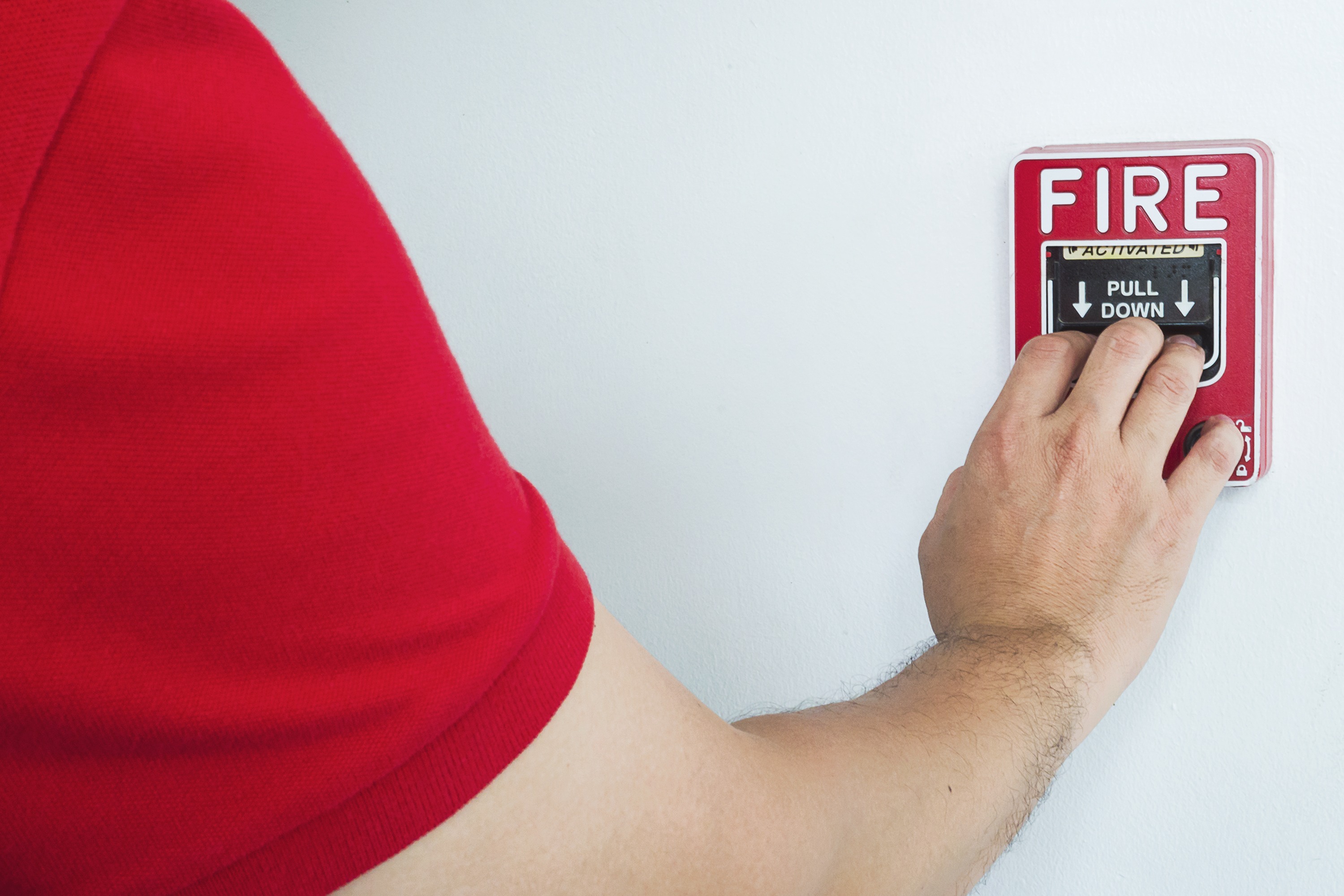
A building’s fire alarm system involves much more than individual detectors. Depending on the installation, it may include control panels, manual call points, sounders, visual indicators, detectors, batteries, and connections to other safety systems.
Regular testing helps identify faults that may otherwise remain unnoticed. A facility manager should maintain records showing when components were inspected, what was tested, what faults were found, and what corrective action followed.
This documentation becomes particularly valuable in large organizations with multiple buildings or locations. It creates a clear history of the site’s fire protection condition and helps management track outstanding maintenance work.
What About Hydrants and Sprinklers?
Fixed systems require their own inspection and testing schedules. A fire hydrant system, sprinkler installation, or automatic suppression system may involve pumps, valves, tanks, pipes, alarms, controls, and other components that must work together.
A problem with one component can affect the performance of the wider system. For example, a pump may operate correctly while a closed valve prevents water from reaching the intended area.
Because of this, professional inspection should examine the system as a whole rather than relying only on a quick visual check.
When Should Equipment Be Inspected More Often?
A standard inspection schedule may not be enough when the fire risk changes or equipment is exposed to harsher conditions. Higher-risk environments may require more frequent attention based on the hazard and applicable requirements.
Additional inspections may be appropriate after:
- A fire or emergency: Equipment exposed to heat, smoke, or fire should be assessed.
- Equipment discharge: Used extinguishers must be serviced or recharged before being relied upon.
- Physical damage: Damaged equipment should be removed from service for professional assessment.
- Building alterations: Renovations can change fire risks, equipment locations, and evacuation routes.
- Process changes: New machinery, chemicals, fuels, or production processes can introduce different hazards.
- Repeated faults: Recurring alarms, pressure problems, or system failures may indicate a deeper issue.
- Extreme environmental exposure: Heat, moisture, chemicals, dust, or corrosive conditions can affect equipment.
A fire risk assessment can help determine whether your existing inspection programme still matches the actual conditions inside the facility.
Who Should Inspect Fire Equipment?
Not every inspection requires the same level of expertise. A trained member of a facility team may carry out routine visual checks where the applicable standard permits it, while servicing, testing, repairs, and specialist system inspections may require qualified personnel.
The responsibility should always be clearly assigned. Someone should know which equipment exists, where it is located, what inspection is required, and what happens when a fault is discovered.
For organizations operating multiple sites, a centralized inspection record can also make it easier to identify overdue servicing, recurring failures, and equipment that needs replacement.
Keep Proper Inspection Records
An inspection is much more useful when there is a clear record of what happened. Without documentation, facility teams may struggle to prove when equipment was checked or whether reported defects were corrected.
Inspection records should generally identify:
- Equipment inspected
- Location or asset identification
- Inspection date
- Person or company conducting the inspection
- Condition observed
- Defects identified
- Corrective action required
- Date of repair or servicing
- Next inspection or maintenance due date
NFPA materials also recognize the importance of maintenance records for portable extinguishers, including information about maintenance, recharging, and hydrostatic testing where applicable.
For large facilities, digital records can make this process easier to monitor and help management identify overdue actions before they become safety concerns.
A Fire Safety System Needs Attention
Installing Fire Safety Equipment is only the beginning. An extinguisher, alarm, detector, emergency light, hydrant, or suppression system has to remain ready throughout its service life.
For organizations in Pakistan, inspection schedules should reflect the equipment type, manufacturer’s instructions, applicable standards, building requirements, and actual fire risks. Local authorities may also impose specific inspection or certification requirements depending on the location and type of facility.
Recent government initiatives reinforce this point. In Islamabad, the CDA reported that building owners and occupants would have annual fire safety inspections and required fire safety documentation, while Sindh authorities have also increased attention to fire safety audits and inspections.
That makes regular inspection more than a maintenance task. It is part of responsible facility management and emergency preparedness.
Build a Reliable Inspection Plan
A strong fire safety programme doesn’t wait for an annual audit to discover problems. It uses routine checks, professional servicing, documented corrective actions, and periodic risk reviews to keep protection systems ready.
Haseen Habib has been serving Pakistan’s fire protection and safety sector, providing equipment, systems, inspections, risk assessments, training, and consultancy for organizations with different levels of fire risk.
If your facility’s Fire Safety Equipment hasn’t been professionally reviewed recently, now is a sensible time to assess its condition. Haseen Habib can help you identify gaps, review your existing fire protection arrangements, and plan the right inspection and maintenance approach for your site.
A working fire protection system can make the difference between an alarm that warns people in time and a failure discovered only after a fire has already spread. Don’t wait for an emergency to test whether your safety equipment is ready.
Frequently Asked Questions
How often should fire extinguishers be inspected?
Portable fire extinguishers should generally receive routine inspections at least monthly under NFPA guidance, with periodic professional maintenance according to applicable standards and manufacturer requirements.
How often should a smoke detector alarm be tested?
Testing frequency depends on the system and applicable requirements, but NFPA guidance for household smoke alarms recommends testing them monthly.
How often should emergency exit lights be checked?
Emergency lighting should be inspected and tested according to the applicable standard, system requirements, manufacturer instructions, and local authority requirements.
Who should inspect Fire Safety Equipment?
Routine checks may be performed by trained facility personnel where permitted, while servicing, repairs, and specialist testing should be handled by appropriately qualified professionals.