CO₂ vs DCP Fire Extinguisher for Electrical Fires: Which Should You Choose?
September 19, 2026
Can Every Type of Fire Extinguisher Be Refilled?
September 24, 2026
SSUCv3H4sIAAAAAAAEAJ2QwW7DIBBE75X6DxZnWzI2TlB/JephgbWLSkwEOFUV+d8LGEuce2Pe7ACzr/e3piECvJbko3klFbU2ZvPBQdB2jbhvC0elg3UaTIKJ7dkhPkDYPPp0RUESAi5x9oAlf75zO3RzGtmMiWgR0lbMbyKzE+3tv5PH4fOsAguu8jd/uCri0CAcRW7HKPn+CejudbWnVmgrDZvStmr5tBJMCozVzQ+npV6XKmbDF7p6Y3Hl9l6B1Yb8k1KMqLjSJOlI6ZUxfrkMPRuuAx/LgFbJnvg8MjFPnaB86NiE2ME8i45ySlk/8GkaRVzL/geTG1sn+wEAAA==
A fire in a server room, control room, or communications facility can damage more than the building itself. Heat, smoke, and firefighting water can affect sensitive equipment and interrupt critical operations. This is where an FM200 fire suppression system can provide a different approach.
FM200 is a clean agent used in fixed gaseous fire suppression systems. It is designed to suppress suitable fires quickly without leaving the powder, foam, or water residue associated with other extinguishing methods.
For facilities protecting valuable electronics or equipment, the question isn’t simply whether FM200 can suppress a fire. The more important question is whether the protected space, fire hazards, occupancy, and system design make it appropriate.
What Is FM200?
FM200 is the trade name commonly used for HFC-227ea, a gaseous clean agent used in engineered fire suppression systems. It is electrically non-conductive and does not leave solid or liquid extinguishing residue after discharge.
An FM200 fire suppression system is normally designed as part of a complete detection and suppression arrangement. It can include detection devices, control equipment, storage cylinders, pipework, discharge nozzles, alarms, and other components needed for automatic operation.
The system is designed around the protected room and its specific fire risk. That means the agent quantity, nozzle arrangement, detection system, and room conditions should be determined through proper engineering rather than simply choosing equipment based on room size.
How Does FM200 Work?
Unlike water-based systems, FM200 does not put out a fire by covering the area with water. The agent is discharged into the protected space and works primarily by absorbing heat and interrupting the combustion process.
For total-flooding applications, the system is designed to reach the required extinguishing concentration throughout the protected enclosure. This allows it to act quickly when the detection and release sequence is properly designed.
A typical sequence involves several connected steps:
- Fire detection: Detectors identify smoke, heat, or another defined indication of fire.
- Alarm: The system provides warning so occupants can respond according to the emergency procedure.
- System release: After the configured release sequence, the agent is discharged through the installed pipework and nozzles.
- Fire suppression: The agent reaches the designed concentration and suppresses the fire.
- Post-discharge response: The area is assessed, ventilated where appropriate, and the system is serviced before being returned to normal operation.
Why Use a Clean Agent System?
A clean agent system can be useful where traditional extinguishing media could create additional problems for sensitive equipment. FM200 is electrically non-conductive and leaves no solid or liquid residue after discharge.
That characteristic can reduce cleanup concerns in areas containing electronic equipment. It also makes gaseous suppression relevant to facilities where protecting business-critical assets and restoring operations quickly are important considerations.
However, clean agent protection does not remove the need for proper fire detection, evacuation planning, system maintenance, or trained personnel. It should form part of a complete fire protection strategy.
Where Should FM200 Be Used?
FM200 is generally considered for enclosed areas containing valuable or sensitive equipment where rapid, clean fire suppression is needed. The system must be properly engineered for the specific hazard and enclosure.
Common applications can include:
- Server rooms: Protecting IT equipment where water or powder residue could create additional damage.
- Data centers: Supporting protection of critical computing and communication infrastructure.
- Telecommunication facilities: Protecting equipment that supports essential communication services.
- Control rooms: Providing suppression for sensitive control and monitoring equipment.
- Electrical and electronic rooms: Protecting suitable energized equipment in enclosed spaces.
- Medical and specialized equipment areas: Where sensitive equipment requires carefully planned fire protection.
- Archives and museums: In applications where valuable contents could be damaged by water or residue.
These applications are not automatically suitable simply because FM200 is available. A professional assessment should confirm whether the agent, system design, enclosure, occupancy, and fire hazards are appropriate.
FM200 for Server Rooms
A server room fire suppression system needs to consider the value and sensitivity of the equipment inside the room. Water from a conventional suppression system can create additional equipment damage, while smoke and heat can also affect servers and network infrastructure.
An FM200 system can provide waterless suppression for suitable enclosed server environments. It is commonly used for critical IT and electronic facilities because the agent does not leave powder or liquid residue.
The room still needs suitable detection, alarms, ventilation arrangements, emergency procedures, and regular maintenance. Protecting servers effectively requires the whole system to work together rather than relying on the extinguishing agent alone.
FM200 for Data Centers
A data center fire suppression system has to protect equipment while also considering business continuity. A fire that affects servers, networking equipment, or supporting infrastructure can interrupt services far beyond the room where the fire begins.
FM200 is used in data centers and other critical IT environments because it provides waterless suppression and is electrically non-conductive.
For a data center, system planning should consider the protected volume, equipment arrangement, detection coverage, room integrity, emergency shutdown procedures, and the interaction between fire suppression and other building systems.
Where FM200 May Not Be Appropriate
An FM200 fire suppression system isn’t a universal replacement for every type of fire protection. Its suitability depends on the fire hazard, enclosure, occupancy, equipment, and system design.
For example, an open area without suitable enclosure may not be appropriate for total-flooding suppression because the agent concentration cannot be maintained as designed. Large combustible storage areas may also require a different protection approach.
This is why a fire risk assessment should come before system selection. The correct solution may involve gaseous suppression, sprinklers, foam, detection systems, portable extinguishers, or a combination of protection measures.
What Does an FM200 System Include?
A fixed gaseous suppression system has several components that must work together. The exact arrangement depends on the protected hazard, system design, and applicable requirements.
A typical installation may include:
- Fire and smoke detectors
- Releasing control panel
- FM200 storage cylinders
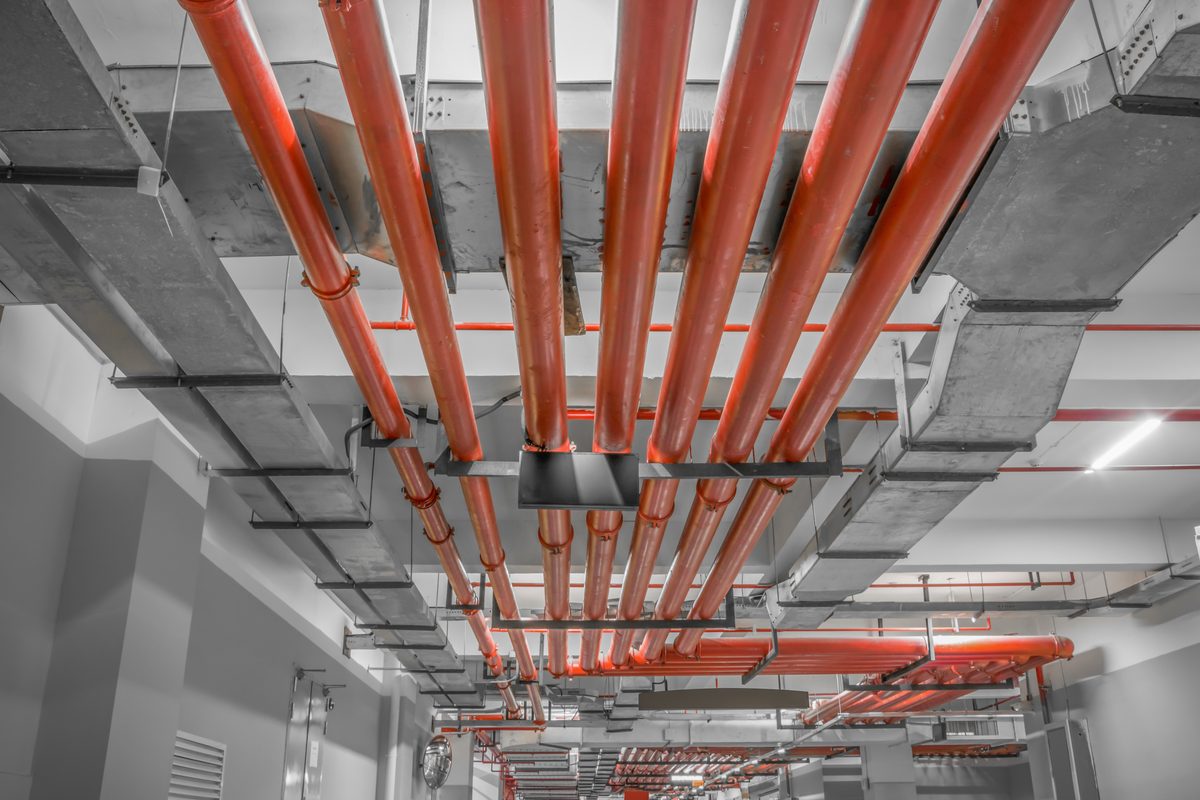
- Distribution pipework
- Discharge nozzles
- Manual release and abort controls where required
- Audible and visual alarms
- Pressure monitoring components
- Interfaces with other building systems
Each component has a specific role. A system can only perform as intended when its detection, control, storage, distribution, and discharge components are correctly designed, installed, tested, and maintained.
What Should Be Checked Before Installation?
Installing gaseous suppression isn’t simply a matter of placing cylinders outside a room and connecting pipes. The protected enclosure and its fire risks need to be assessed before the system is designed.
Important considerations include:
- The room’s dimensions and protected volume
- Type and quantity of combustible materials
- Electrical and electronic equipment
- Occupancy and evacuation arrangements
- Room openings and enclosure integrity
- Detection requirements
- Agent storage and discharge arrangements
- Applicable codes, standards, and authority requirements
The system should be designed by competent professionals who understand gaseous suppression and the specific hazards being protected.
Maintenance Matters After Installation
A suppression system can only protect a facility if it remains ready to operate. Detection devices, control equipment, cylinders, pipework, nozzles, alarms, and other components need appropriate inspection and maintenance.
Changes to the protected room can also affect performance. New cable openings, ventilation changes, partitions, equipment layouts, or building modifications may alter the conditions considered during the original system design.
For this reason, facility managers should review the system after significant changes and keep inspection, testing, and maintenance records up to date.
FM200 and Your Fire Protection Plan
An FM200 fire suppression system can provide valuable protection for suitable enclosed spaces, but it should not be viewed as a standalone answer to fire safety. Detection, alarms, evacuation procedures, portable equipment, building protection, and regular maintenance all remain important.
For organizations in Pakistan, the right approach starts with understanding the actual hazard. A server room, telecom facility, hospital equipment room, bank, industrial control room, and power facility may all require different fire protection arrangements.
How Haseen Habib Can Help
Haseen Habib Trading Pvt. Ltd. provides fire detection and suppression systems, fire risk assessments, surveys, training, evacuation planning, and fire safety consultancy across Pakistan. Its fixed systems division includes automatic gaseous suppression options such as FM200, along with other suppression technologies.
With engineering and technical teams supporting fire protection projects, Haseen Habib works with organizations across sectors including government, defense, industry, healthcare, telecommunications, airports, seaports, power, and other critical facilities.
Protect Critical Areas Before Fire Tests Them
A fire in a critical room can affect much more than the equipment directly touched by the flames. It can interrupt services, damage valuable assets, and put people at risk.
Haseen Habib can assess your facility’s fire protection requirements and help plan suitable detection and suppression arrangements. Protecting a critical space starts before the alarm sounds, with a system designed around the actual risks inside it.
Frequently Asked Questions
What is FM200 used for?
FM200 is used in engineered gaseous fire suppression systems for suitable enclosed hazards, particularly areas containing sensitive electrical, electronic, or other valuable equipment. Applications can include server rooms, data centers, telecom facilities, and control rooms.
Is FM200 safe for electronic equipment?
FM200 is electrically non-conductive and does not leave solid or liquid extinguishing residue, making it suitable for many sensitive electronic applications when the complete system is properly designed.
Is FM200 suitable for occupied rooms?
FM200 systems can be designed for certain normally occupied spaces when the system, concentration, warning arrangements, and evacuation requirements meet applicable safety requirements. Occupancy should always be considered during system design.
Does an FM200 system need regular maintenance?
Yes. Detection devices, control equipment, storage cylinders, pipework, nozzles, alarms, and other system components require appropriate inspection, testing, and maintenance to keep the system ready for an emergency.