Which Fire Extinguisher Is Best for Kitchen and Grease Fires?
September 14, 2026
FM200 Fire Suppression System: How It Works and Where It Should Be Used
September 21, 2026
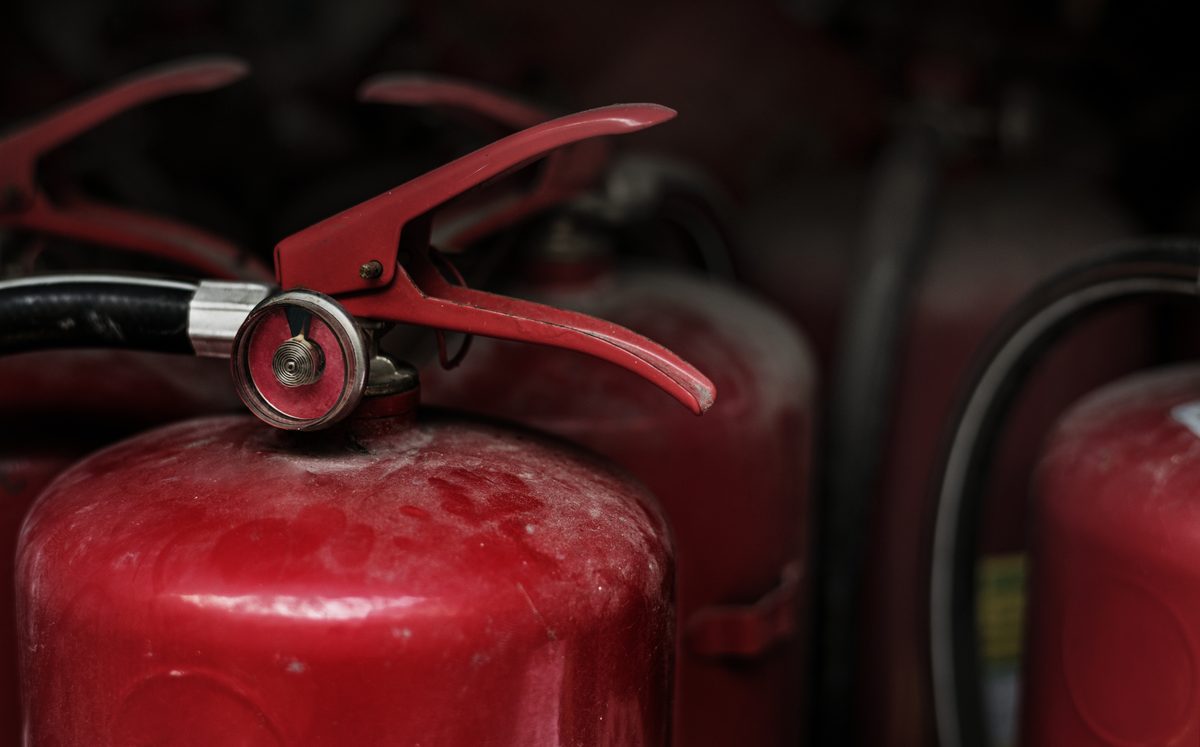
An electrical fire can start with a small fault and quickly become a serious emergency. In that moment, having a fire extinguisher for electrical fire nearby matters, but choosing the right type matters just as much.
Two common options are CO2 fire extinguisher and DCP fire extinguisher. Both can be used for certain electrical fire risks, but they work differently and leave different effects after discharge.
Your choice should depend on the equipment involved, the surrounding fire hazards, the environment, and the level of protection required. Understanding these differences can help you make a safer decision for an office, electrical room, workshop, industrial facility, or commercial building.
CO₂ vs DCP for Electrical Fires
Both CO2 fire extinguisher and DCP fire extinguisher options can be used for certain electrical fire risks. However, they are not interchangeable in every situation.
CO₂ uses fire extinguisher gas to suppress flames without leaving powder behind. DCP uses dry chemical powder, which can cover a wider range of fire types but leaves residue after discharge.
That difference becomes important when you are protecting sensitive electrical equipment. A server room, control panel, workshop, and industrial plant may have very different needs.
How CO₂ Extinguishers Work
A CO₂ extinguisher releases carbon dioxide gas around the fire. The gas helps suppress the flames by reducing the oxygen available to support combustion.
Because the agent is discharged as gas and does not leave powder or foam behind, CO₂ can be useful around sensitive electrical equipment where cleanup and residue may create additional concerns.
However, CO₂ should not be treated as the right choice for every fire. It is mainly useful for suitable electrical and certain flammable-liquid fire risks, while its effectiveness can be affected by the surrounding conditions.
How DCP Extinguishers Work
A DCP fire extinguisher releases dry chemical powder onto the fire. The powder interrupts the combustion process and helps stop the flames.
An ABC fire extinguisher containing suitable dry chemical powder can provide protection against several fire classes, including certain electrical fire risks. This wider coverage can be useful where electrical equipment is located near ordinary combustible materials or flammable liquids.
The trade-off is the powder itself. After discharge, residue can settle on equipment, surfaces, and surrounding areas, creating additional cleaning and maintenance work.
Main Differences Between CO₂ and DCP
The biggest difference is what each extinguisher leaves behind and how broadly it can be used. These factors should be considered alongside the actual hazards in the area.
Before choosing between them, look at the environment, the equipment being protected, and the possibility of other fire types occurring nearby. The following differences can help make that assessment clearer:
- Extinguishing agent: CO₂ uses carbon dioxide gas, while DCP uses dry chemical powder.
- Residue: CO₂ leaves no powder or foam residue, while DCP leaves chemical powder behind.
- Electrical equipment: CO₂ can be suitable where clean discharge is important.
- Fire coverage: Suitable ABC DCP extinguishers can cover multiple fire risks.
- Cleanup: CO₂ generally requires less cleanup after discharge.
- Surrounding hazards: DCP may be useful where electrical equipment exists alongside other combustible or flammable materials.
When CO₂ May Be More Suitable
A CO2 fire extinguisher may be considered where electrical equipment is the main concern and avoiding residue is important.
For example, offices can contain computers, electrical panels, networking equipment, and other sensitive devices. Similar concerns may exist in control rooms, laboratories, communication areas, and electrical rooms.
In these environments, leaving powder on equipment may create additional cleaning concerns. CO₂ provides a clean discharge, which is one reason it is commonly considered for suitable electrical fire risks.
When DCP May Be More Suitable
A DCP fire extinguisher may be considered where several types of fire hazards exist in the same area. Suitable ABC powder extinguishers can cover ordinary combustibles, flammable liquids, and certain electrical fire risks.
For example, a workshop may contain electrical machinery alongside packaging, plastics, oils, or other combustible materials. A broader fire rating may therefore be relevant when assessing the area’s protection needs.
However, the wider coverage does not mean DCP is automatically better. Powder residue can affect sensitive equipment and may require thorough cleaning after discharge.
What About an ABC Fire Extinguisher?
An ABC fire extinguisher is designed for multiple fire classes, including Class A, B, and C hazards under the classification system used for the specific extinguisher.
Some ABC dry powder extinguishers are also suitable for certain electrical fire risks. The exact rating and instructions on the extinguisher should always be checked before use.
This makes ABC powder relevant for areas where electrical hazards exist alongside other combustible or flammable materials. It should still be selected according to the actual fire risk rather than simply because it has a broad rating.
Why Residue Matters Around Electrical Equipment
Electrical equipment can be sensitive to contamination. After a DCP extinguisher is discharged, powder can settle on surfaces and inside equipment depending on the location and design.
That doesn’t automatically make DCP unsuitable. It means the possible consequences of discharge should be considered before equipment is selected.
For sensitive installations, the need for clean discharge may influence the choice. For mixed-risk environments, broader fire coverage may carry more importance.
Electrical Fire Safety Goes Beyond Extinguishers
A suitable electrical fire extinguisher is only one part of a safe workplace. Electrical fires can be linked to overloaded circuits, damaged wiring, faulty equipment, poor maintenance, or other conditions that need attention.
Because of this, your fire protection plan should address both emergency response and prevention. Regular inspections, safe electrical practices, clear access, employee training, and appropriate fire protection equipment all contribute to stronger electrical fire safety.
A practical safety programme should include:
- Regular inspection of electrical installations
- Proper maintenance of electrical equipment
- Clear access to fire extinguishers
- Training for staff who may respond to an early-stage fire
- Appropriate emergency procedures
- Routine inspection and servicing of fire safety equipment
What Should You Consider Before Choosing?
There isn’t one extinguisher that suits every electrical area. The right choice starts with understanding what could burn, what equipment is present, and what could happen after the extinguisher is discharged.
A fire risk assessment can help bring these factors together. Before selecting equipment, consider:
- The type of electrical equipment present
- Nearby combustible or flammable materials
- The size and layout of the protected area
- Whether sensitive equipment could be affected by residue
- Accessibility during an emergency
- Applicable fire safety requirements
- Staff training and emergency procedures
For a large facility, these considerations become even more important because different areas may have different hazards.
Common Mistakes to Avoid
Choosing an extinguisher based only on its label can leave gaps in protection. The equipment needs to match the actual hazards, and people need to understand its proper use.
Common mistakes include:
- Assuming every extinguisher works on electrical fires
- Choosing equipment without assessing surrounding hazards
- Ignoring residue concerns around sensitive equipment
- Blocking access to extinguishers
- Delaying inspection or servicing
- Using an extinguisher without understanding its limitations
- Trying to fight a fire that has already become too large to control safely
If a fire is spreading, producing heavy smoke, or blocking your escape route, evacuate and call the emergency services rather than attempting to control it yourself.
Choosing Fire Protection for Your Facility
The right fire extinguisher for electrical fire depends on more than the equipment name printed on the cylinder. Your facility’s risks, surrounding materials, equipment sensitivity, layout, and emergency procedures all need to be considered together.
Haseen Habib Trading Pvt. Ltd. provides fire safety equipment and related fire protection services across Pakistan, supporting organizations with fire risk assessments, training, firefighting equipment, and safety solutions.
For offices, industrial facilities, commercial buildings, and other workplaces, professional assessment can help identify suitable fire protection arrangements without relying on guesswork.
Protect Your Electrical Assets and Your People
An electrical fire can put people, equipment, operations, and valuable information at risk within moments. Having appropriate protection in place gives your team a better chance of responding safely before a small incident becomes a major emergency.
Haseen Habib can help you assess your fire safety requirements and identify suitable protection for your facility. Take the time to review your electrical fire risks now, before an emergency forces you to discover what was missing.
Frequently Asked Questions
Is CO₂ or DCP better for electrical fires?
Both can be suitable for certain electrical fire risks. CO₂ provides a clean discharge, while suitable DCP extinguishers can offer broader fire coverage. The choice depends on the equipment, surrounding hazards, and specific fire protection requirements.
Can an ABC fire extinguisher be used on electrical fires?
Some ABC fire extinguisher models are rated for certain electrical fire risks. Always check the extinguisher’s label, rating, and operating instructions before relying on it for a particular hazard.
Does a CO₂ extinguisher leave residue?
No. CO₂ is discharged as gas and does not leave powder, foam, or liquid residue. This can be useful around suitable sensitive electrical equipment where post-discharge cleanup is a concern.
What should you consider before choosing an electrical fire extinguisher?
Consider the type of electrical equipment, nearby combustible materials, equipment sensitivity, room layout, accessibility, applicable requirements, and staff training. A fire risk assessment can help determine the appropriate protection for the area.