Emergency Exit Lighting Requirements for Commercial and Industrial Buildings
November 11, 2026
A small fire can quickly become a serious emergency when a building lacks the right safety equipment. A blocked exit, missing fire extinguisher, or faulty alarm can leave employees and visitors with little time to respond.
That is why every workplace needs suitable fire safety equipment. Offices, warehouses, factories, and commercial buildings face different fire risks, so their safety arrangements should match their layout, activities, and occupancy.
A proper checklist helps facility managers identify missing equipment, review existing arrangements, and plan regular inspections. It also helps businesses understand whether their current fire protection equipment is ready to support people during an emergency.
What Fire Safety Equipment Does a Building Need?
Every building needs fire safety arrangements based on its size, use, occupancy, and potential hazards. A typical checklist includes equipment for fire detection, firefighting, evacuation, and personal protection.
The exact requirements should come from a professional fire risk assessment and applicable local regulations. However, the following categories provide a useful starting point for offices, warehouses, and commercial facilities.
1. Fire Detection and Alarm Systems
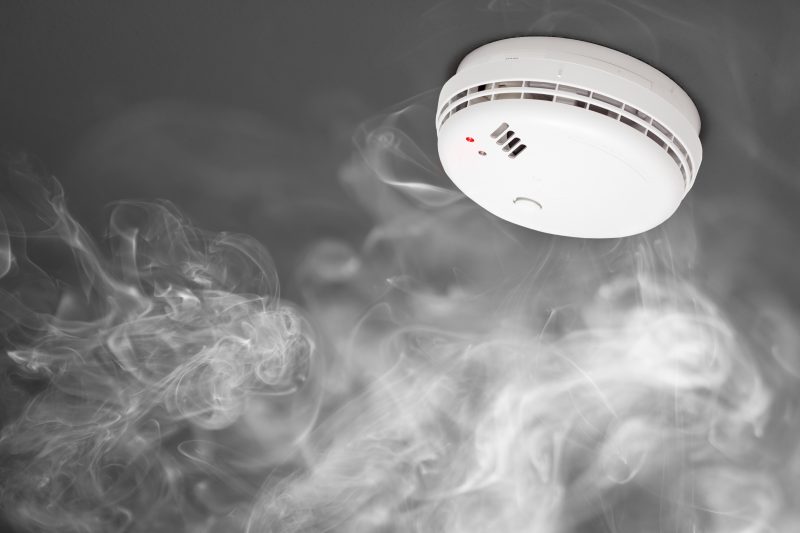
A fire can spread before anyone notices smoke or flames. Early detection gives occupants more time to respond and begin evacuation.
A fire detection and alarm arrangement helps identify signs of fire and alert people inside the building. It should suit the building’s layout and the risks present in different areas.
During your inspection, check the following:
- Smoke and heat detection: Confirm that suitable detectors are installed in the required areas.
- Fire alarm system: Check that alarms can alert occupants when a fire is detected.
- Manual call points: Make sure people can raise an alarm when they notice a fire.
- Audible and visual alerts: Confirm that warning signals can reach people throughout the building.
- System maintenance: Arrange regular testing and inspection according to the manufacturer’s guidance.
Large facilities may need different detection arrangements for offices, storage areas, production spaces, and other sections.
2. Fire Extinguishers
Fire extinguishers are an important part of workplace firefighting arrangements. They allow trained people to respond to certain small fires when it is safe to do so.
However, one extinguisher type cannot handle every kind of fire. The correct selection depends on the materials and hazards present in the building.
For example, an office may contain electrical equipment and ordinary combustible materials, while a warehouse may store packaging, chemicals, or other substances.
Before selecting or checking extinguishers, consider:
- Fire classification: Identify the types of fire risks present in each area.
- Suitable extinguisher type: Match the equipment to the specific hazards.
- Accessible placement: Keep extinguishers visible and easy to reach.
- Clear instructions: Make sure operating labels are readable.
- Inspection condition: Check for visible damage, missing parts, or signs of poor maintenance.
Employees should also understand when an extinguisher can be used and when evacuation is the safer option.
3. Fire Hose Reels and Hydrant Systems
Larger commercial and industrial buildings may require fixed firefighting arrangements to support emergency response.
Fire hose reels and hydrant systems provide access to water for firefighting, where suitable for the building’s risks and fire protection design.
Their location should be clear, accessible, and suitable for the areas they are intended to protect.
Facility managers should check that:
- Access points are not blocked by stored materials or equipment.
- Hoses and connections show no visible signs of damage.
- Valves and related components remain accessible.
- Inspection and maintenance records are up to date.
- Staff know the site’s emergency procedures and their responsibilities.
These systems require appropriate inspection and maintenance. Employees should not attempt to operate equipment without suitable training.
4. Emergency Exit Signs and Lighting
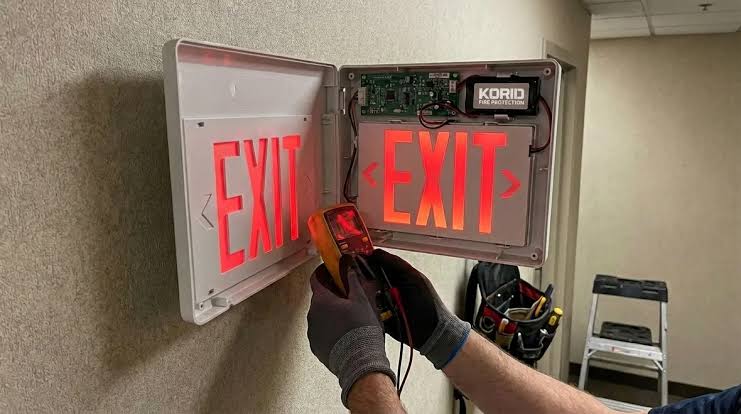
During a fire, people need to identify safe escape routes quickly. Smoke or a power failure can make familiar corridors and stairways difficult to follow.
Emergency exit signs show people where to go, while emergency lighting helps them see the route ahead.
A building’s evacuation arrangements should cover:
- Clearly visible fire exit signs
- Illuminated escape routes where required
- Staircases and changes in floor levels
- Exit doors and access points
- Directional signs at route changes
- Suitable backup arrangements for emergency lighting
Check these areas regularly, especially after renovations or changes to the building layout. A sign that was visible before construction work may become hidden behind a new wall, partition, or storage area.
5. Fire Blankets and Other Safety Equipment
Some workplaces may need additional firefighting safety equipment based on their activities and specific hazards.
For example, a staff kitchen may have different risks from a warehouse or industrial workshop. A fire blanket may be suitable for certain small fires involving clothing or cooking equipment, but it cannot replace appropriate firefighting systems.
Other equipment may also be required as part of the building’s emergency arrangements.
The selection should consider:
- The type of work performed
- Materials and equipment used
- Areas where fires could start
- The number of people working on-site
- The training available to employees
Avoid purchasing equipment simply to complete a checklist. Every item should have a clear purpose and suit the risks it is meant to address.
6. Personal Protective and Rescue Equipment
Some workplaces involve activities that expose employees to additional hazards during emergencies. Industrial sites, chemical facilities, and other high-risk environments may need suitable personal protection and rescue arrangements.
Fire life safety equipment can include protective and rescue-related equipment selected according to the site’s risk assessment.
Depending on the workplace, this may involve:
- Protective clothing: Suitable protection for workers carrying out assigned emergency duties.
- Respiratory protection: Equipment selected for specific exposure risks and used by trained personnel.
- Rescue equipment: Suitable equipment for planned emergency response activities.
- Fall protection: Protection for work at height where the task and risk assessment require it.
The equipment must match the hazard, and employees need proper training before using it. General workplace protective equipment should not be treated as a substitute for specialist firefighting gear.
7. First Aid and Emergency Response Supplies
Fire safety planning should also consider injuries that may occur during an incident or evacuation.
First aid supplies help trained responders provide initial assistance while further medical support is arranged.
A workplace should review whether it has:
- Accessible first aid kits
- Clearly identified first aid locations
- Trained first aid personnel
- Emergency contact information
- Procedures for reporting injuries and incidents
The number and contents of first aid kits should reflect the workplace’s activities, risks, and staffing arrangements.
Fire Safety Checklist for Different Buildings
Not every building needs the same safety equipment for fire. An office, warehouse, and industrial facility have different layouts and potential ignition sources.
A practical checklist should reflect how each space is used.
Office Buildings
Offices commonly contain computers, electrical equipment, furniture, paper, and shared workspaces. Their fire safety arrangements should account for employees, visitors, meeting rooms, and multiple floors.
Pay particular attention to:
- Fire detection and alarm coverage
- Suitable fire extinguishers
- Visible exit signs and emergency lighting
- Clear corridors and stairways
- Accessible first aid supplies
- Employee evacuation instructions
For example, a multi-storey office should have clear evacuation directions on every occupied floor, not just near its main entrance.
Warehouses and Storage Facilities
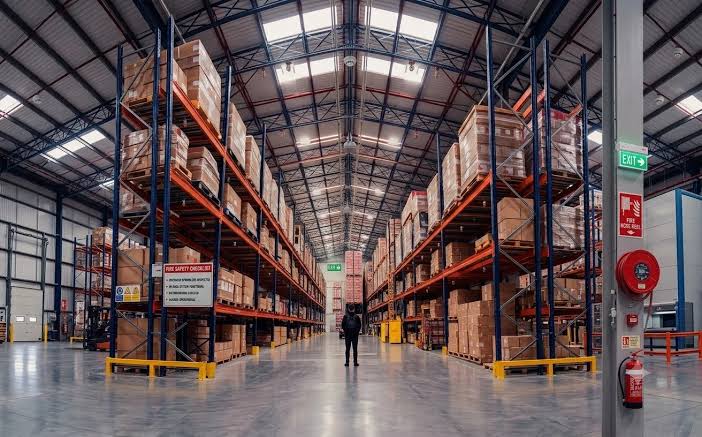
Warehouses may contain large quantities of stored goods, packaging materials, machinery, and vehicles. Storage arrangements can also change frequently, affecting access to firefighting equipment and escape routes.
Their checklist should include:
- Fire detection suitable for the storage environment
- Appropriate firefighting equipment
- Accessible hydrants or hose reels where required
- Clear emergency exits and walkways
- Suitable emergency lighting
- Safe storage practices and clear access to equipment
A warehouse manager should also check that newly arranged storage racks do not block detectors, signs, extinguishers, or emergency routes.
Commercial and Retail Buildings
Shopping centres, banks, hotels, and other commercial properties may have employees, customers, contractors, and visitors inside at the same time.
Their fire safety planning should consider people who may not know the building layout.
Important areas to review include:
- Visible fire exit signs
- Working alarm and detection arrangements
- Accessible extinguishers
- Clear public evacuation routes
- Emergency lighting
- Staff awareness and evacuation procedures
Building management should also consider how people will receive instructions during an emergency, especially in crowded areas.
Industrial and High-Risk Facilities
Factories, power plants, chemical facilities, and oil and gas sites may involve specialised fire hazards. Their commercial fire safety arrangements should reflect the materials, processes, equipment, and activities present.
A suitable assessment may need to consider:
- Fire detection and alarm coverage
- Fire suppression arrangements where required
- Appropriate firefighting equipment
- Personal protective and rescue equipment
- Emergency access for response teams
- Site-specific evacuation and emergency procedures
These facilities should receive a risk-based assessment rather than relying on a general office safety checklist.
How to Inspect and Maintain Fire Safety Equipment
Having the right equipment is only part of workplace fire safety. It must also remain accessible, functional, and ready for use.
A planned inspection routine helps facility managers identify problems before an emergency exposes them.
During routine checks, review these areas:
- Physical condition: Look for visible damage, corrosion, missing parts, or signs of wear.
- Accessibility: Confirm that equipment is not hidden or blocked.
- Operating condition: Arrange the required tests for alarms, lighting, and other systems.
- Inspection records: Keep clear records of checks, faults, and corrective actions.
- Maintenance schedules: Follow manufacturer instructions and applicable requirements.
- Staff awareness: Make sure employees know where equipment is located and what to do during an emergency.
Inspection frequency depends on the equipment type, manufacturer’s guidance, applicable standards, and site conditions. Keep a record of every check and follow up on identified faults.
Common Fire Safety Mistakes Businesses Should Avoid
Some workplace fire risks develop because equipment is missing, inaccessible, or poorly maintained. Even a well-equipped building can have serious gaps if employees do not understand emergency procedures.
Watch out for these common mistakes:
- Blocked fire exits: Stored goods, furniture, or waste can prevent people from leaving safely.
- Incorrect extinguisher selection: Equipment may not match the fire hazards in a particular area.
- Ignored maintenance: Faulty alarms or damaged equipment may go unnoticed.
- Poor employee training: Staff may not know how to raise an alarm or follow evacuation instructions.
- Outdated risk assessments: Changes in building use, machinery, or storage can introduce new hazards.
- Missing inspection records: Without documentation, managers may struggle to track checks and repairs.
Reviewing these issues regularly helps businesses maintain safer workplaces and respond more effectively to changing risks.
Why Professional Fire Safety Planning Matters
A checklist is a useful starting point, but it cannot replace a proper assessment of the building. Equipment selection and placement depend on the site’s fire risks, occupancy, layout, and applicable safety requirements.
Haseen Habib works in the fire safety sector, supporting organizations with fire protection equipment and related safety requirements. This makes professional planning an important consideration for businesses managing offices, warehouses, commercial properties, and industrial facilities.
A well-planned approach helps identify missing equipment, unsuitable arrangements, and maintenance concerns before they become serious problems.
Protect Your Workplace with the Right Fire Safety Equipment
A fire emergency can affect more than the building itself. Employees, visitors, business operations, and valuable property may all be at risk when safety arrangements are incomplete.
The right fire safety equipment helps people respond, follow evacuation routes, and access suitable firefighting resources when an emergency occurs. However, equipment must match the actual hazards and remain ready for use.
At Haseen Habib, we understand the responsibility businesses carry for workplace safety. If you are reviewing your office, warehouse, or commercial facility, speak with our team about your fire protection equipment requirements and take a practical step towards protecting your people and property.
FAQs
1. What is included in a basic fire safety equipment checklist?
A basic checklist includes fire detection and alarms, suitable extinguishers, emergency exit signs, emergency lighting, first aid supplies, and other equipment required by the building’s risk assessment.
2. How often should fire safety equipment be inspected?
Inspection frequency depends on the equipment, manufacturer instructions, applicable standards, and site conditions. Businesses should maintain a documented inspection schedule and arrange repairs when faults are identified.
3. Does every warehouse need the same firefighting equipment?
No. Equipment requirements depend on stored materials, building layout, fire hazards, storage arrangements, and applicable safety requirements. A warehouse needs an assessment based on its actual operations.
4. Why is employee fire safety training important?
Training helps employees recognise alarms, understand evacuation routes, report hazards, and follow emergency procedures. It also helps prevent confusion when people need to leave the building quickly.