
Why Is a Fire Hose Cabinet Important in Fire Safety Systems?
July 31, 2026
What Is a Sprinkler System and Why Is It Used in Fire Protection?
August 12, 2026
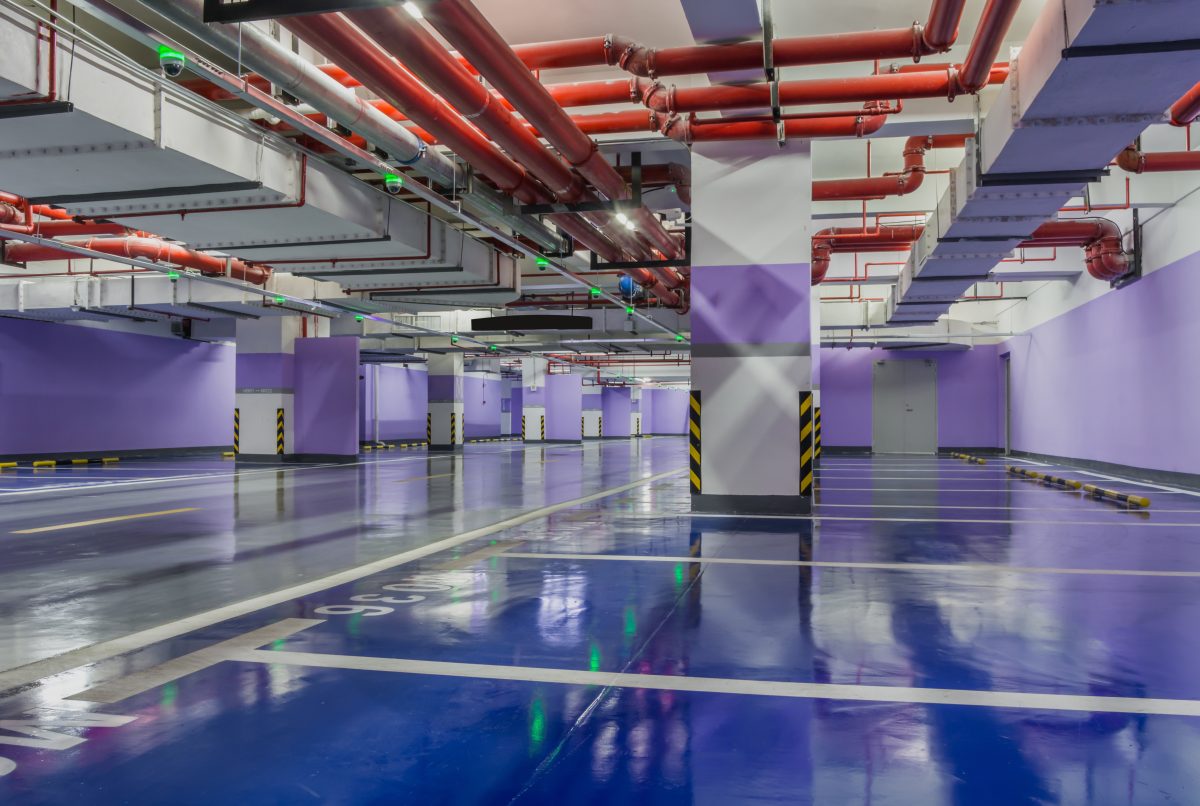
When a fire starts inside a building, every second matters. A small flame can quickly produce intense heat, thick smoke, and enough energy to spread to nearby materials. This is why buildings need more than alarms to warn people about a fire. They also need systems that can respond to the fire at its earliest stage.
A fire sprinkler system is one of the most important parts of a building’s active fire protection setup. It is designed to detect high heat and release water directly where a fire is developing, helping control the flames before they spread further.
At Haseen Habib, fire safety is about more than installing equipment. It is about creating reliable protection systems that are properly selected, installed, inspected, and maintained for the building they serve. So, how does a sprinkler system actually work? Let’s break it down.
What Is a Fire Sprinkler System?
A fire sprinkler system is a network of water-filled or pressurised pipes connected to individual sprinkler heads installed throughout a building. These systems are commonly found in offices, hotels, warehouses, shopping centres, hospitals, schools, and other commercial or industrial properties.
The most important part of a sprinkler head is its heat-sensitive element. It is designed to react when the temperature around it reaches a specific level. Until that happens, the sprinkler remains closed and water stays inside the pipe.
This is also why sprinklers do not normally activate simply because a smoke alarm detects smoke. The sprinkler head responds to heat, not smoke.
Once enough heat reaches the sprinkler head, its heat-sensitive element activates and allows water to flow.
How Does a Fire Sprinkler System Work?
The process may sound complicated, but the basic idea is simple: detect the heat, release water, and control the fire.
1. Heat from the fire rises
When a fire starts, the hot gases produced by the flames rise toward the ceiling. This creates a pocket of hot air around the sprinkler head closest to the fire.
As the temperature increases, the heat-sensitive element inside the sprinkler head is affected.
2. The sprinkler head activates
When the temperature reaches the sprinkler’s activation point, the heat-sensitive element releases. The sprinkler head opens, allowing pressurised water to flow through the pipe.
One common misconception is that activating one sprinkler causes every sprinkler in the building to spray water. In a typical sprinkler system, this is not how it works.
Each sprinkler head operates independently. Usually, only the sprinkler heads exposed to enough heat will activate.
3. Water is discharged over the fire
Once the sprinkler opens, water moves through the sprinkler head and is distributed over the area below it.
The purpose is not simply to “put out” every fire instantly. The sprinkler’s main job is to control the fire, reduce heat, and limit its ability to spread. This can give occupants more time to evacuate and emergency responders more time to reach the building.
4. The system alerts people to the emergency
When water begins flowing through the system, other components can detect this flow and activate a fire alarm or monitoring signal, depending on the building’s design.
This creates an important chain of protection: the sprinkler responds to the fire while the alarm system helps notify people that an emergency is taking place.
What Are the Main Parts of a Sprinkler System?
A sprinkler system is more than the visible sprinkler heads on a ceiling. Several components work together to make the system effective.
The sprinkler heads release water when exposed to sufficient heat. A network of pipes carries water throughout the protected areas. Valves control the flow of water, while a suitable water supply provides the pressure and volume required by the system.
Larger or more complex buildings may also use fire pumps, tanks, alarm valves, flow switches, and monitoring equipment. The exact arrangement depends on factors such as building size, occupancy, fire risk, and applicable fire-safety requirements.
This is why sprinkler design should never be treated as a one-size-fits-all job. The system needs to match the actual risks and layout of the building.
Fire Sprinkler System vs. Fire Hose Reel
A fire hose reel and a sprinkler system both use water to deal with fire, but they serve different purposes.
Sprinklers are automatic. They activate when sufficient heat reaches an individual sprinkler head. A fire hose reel is manually operated and is intended for use by people who know how to use it safely.
In simple terms, sprinklers provide an automatic response close to where the fire starts, while a hose reel allows a trained person to manually direct water at a fire when conditions are safe.
They can therefore form different parts of a building’s overall fire protection strategy rather than replacing one another.
Why Does Sprinkler System Maintenance Matter?
A sprinkler system is only useful if it works when a fire occurs. Regular inspection, testing, and maintenance are therefore essential.
A damaged sprinkler head, blocked pipe, closed valve, corrosion, or an incorrectly altered system can affect performance. Even changes made during building renovations can create problems if sprinkler coverage is not reviewed.
Building owners and facility managers should therefore ensure that fire protection equipment is inspected and maintained according to applicable standards and local requirements.
At Haseen Habib, we understand that effective fire protection depends on more than having equipment in place. It requires the right system, proper installation, ongoing maintenance, and professional attention to the specific risks of each building.
A well-designed fire sprinkler system can act within the critical early moments of a fire, helping control its growth and protecting people and property. That early response can make a significant difference when every second counts