How Does Fall Protection Equipment Help Prevent Workplace Falls?
October 28, 2026
How Long Do Emergency Exit Lights Work During a Power Failure?
October 31, 2026
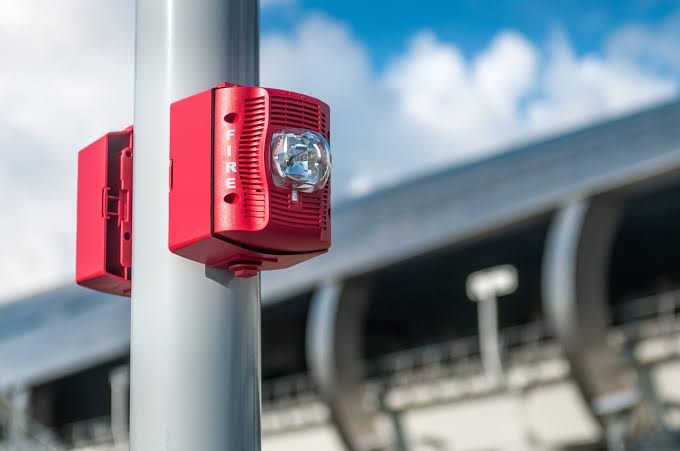
A fire can start in an electrical room, storage area, or busy workplace without being noticed immediately. In a commercial building, even a short delay in detecting smoke or fire can put people, equipment, and daily operations at risk.
HikFire fire alarm systems can support earlier fire detection by helping identify signs of a fire and alerting people so they can respond. The right setup depends on the building layout, the risks present, and the level of protection required.
For businesses across Pakistan, reliable fire detection systems are an important part of workplace safety. Offices, hospitals, industrial facilities, and commercial properties all need a clear plan for detecting fire and warning occupants. Understanding how these systems work can help you make better decisions about your building’s fire protection.
How Do HikFire Systems Help?
HikFire fire alarm systems help improve fire detection by bringing detection devices, a control panel, and notification equipment together in a coordinated arrangement. When the system identifies signs of a possible fire, it can alert the relevant people and support a faster emergency response.
This matters because people may not notice smoke or fire straight away, especially in areas that are unoccupied or separated from the main workspace. An appropriately designed alarm system can help reduce that delay.
The actual level of protection depends on the building’s risks, the system design, installation quality, and ongoing maintenance.
Why Early Fire Detection Matters
A fire alarm system gives occupants and response teams an earlier warning that something may be wrong. This extra time can help people follow evacuation procedures, alert emergency personnel, and take appropriate action before the situation becomes more serious.
In commercial buildings, the benefits can extend beyond the immediate fire area. Early warnings may help reduce disruption and support the protection of important assets, although no alarm system can prevent every loss.
Protects People in Busy Buildings
Offices, shopping areas, hospitals, and public facilities can have many people moving through different spaces. Some occupants may not see a fire starting in another room, making a clear alarm especially important.
A properly planned system supports fire detection and notification by alerting people who may otherwise remain unaware of the danger. It should work alongside marked exits, evacuation procedures, staff training, and regular safety drills.
Helps Identify Fire Risks Earlier
Smoke or heat may appear before flames become visible. Suitable smoke detection devices and other detection equipment can identify these warning signs, depending on the type of device and the conditions in the area.
For example, smoke detection in an office corridor may alert building occupants to a developing incident before it reaches nearby workspaces. The right detector placement matters because dust, airflow, room use, and other environmental conditions can affect performance.
Supports Business Continuity
A fire can interrupt operations, damage property, and affect the people who depend on a facility. Early warning gives staff more time to respond according to the building’s emergency plan.
For a bank, telecom facility, or industrial site, this can be particularly important where equipment and essential services need protection. However, a fire alarm system is only one part of a wider commercial fire protection plan that may also include suppression equipment, emergency lighting, and evacuation arrangements.
How Fire Alarm Systems Work
A fire alarm system uses connected components to identify signs of fire and alert people. The exact arrangement depends on the building, but several key elements commonly work together to support detection and response.
- Detectors identify signs such as smoke or a rise in temperature.
- Manual call points allow a person to raise the alarm after noticing a fire.
- Fire alarm control panel receives and processes signals from connected devices.
- Notification devices provide audible or visual warnings, according to the system design.
Once a signal reaches the control panel, the system responds according to its configuration. This may include activating alarms or communicating with other connected fire safety equipment where the installation supports those functions.
Choosing the Right Detection System
Not every building has the same fire risks. A small office, a hospital, and a large industrial facility have different layouts, occupancy needs, and operational concerns. The detection system should reflect those differences rather than follow a one-size-fits-all approach.
Conventional or Addressable Systems
Two common approaches are conventional and addressable fire alarm systems. Their suitability depends on the size and layout of the building, the level of location detail required, and the overall fire safety design.
A conventional arrangement generally identifies the zone where an alarm signal originates. An addressable arrangement can identify an individual connected device, helping trained personnel locate the reported event more precisely.
For a large commercial building with multiple floors, this additional detail may help staff investigate an alarm more efficiently. A qualified fire safety professional can assess which arrangement is appropriate for the site.
Consider the Building’s Use
Before selecting commercial fire alarm systems, consider how each area is used and what could cause a fire. A kitchen, electrical room, warehouse, and patient-care area may need different detection approaches.
A site assessment should consider:
- Building size, layout, and number of floors
- Occupancy levels and evacuation requirements
- Potential sources of smoke, heat, or fire
- Environmental conditions that may affect detectors
- Existing alarm, suppression, and building safety arrangements
- Inspection, testing, and maintenance requirements
These details help determine where detection equipment should be placed and how the system should alert people. The final design should follow applicable requirements and be completed by qualified professionals.
Where Can These Systems Help?
HikFire fire alarm systems may be considered for a range of commercial and institutional settings. The right configuration depends on the risks, building design, and protection requirements identified during assessment.
For example, different facilities may have different priorities:
- Office buildings: Detect potential fires in work areas, corridors, and shared spaces.
- Hospitals: Support early warnings while accounting for patients who may need assistance during evacuation.
- Warehouses: Address detection needs across storage areas and large open spaces.
- Industrial facilities: Consider fire risks linked to equipment, electrical systems, and daily operations.
- Banks and telecom facilities: Support protection planning for occupied spaces and important technical areas.
These are examples of possible applications, not a guarantee that one system will suit every site. A professional assessment helps establish the appropriate detection method and system design.
How Haseen Habib Supports Fire Safety
Haseen Habib Trading (Pvt.) Ltd. has a long-standing role in fire protection and safety in Pakistan. Its 111-Safety Newsletter for May–August 2026 highlights HikFire fire safety products, completed fire alarm and suppression projects, and the company’s continued focus on fire prevention and emergency preparedness.
This work reflects a broader safety approach. A suitable alarm system needs thoughtful planning, correct installation, and ongoing attention to its condition. Equipment alone cannot replace staff awareness or a well-practised emergency response plan.
For organizations reviewing their building protection, Haseen Habib provides fire safety equipment and fixed-system solutions. You can explore its fire detection and fixed fire protection systems to understand the available areas of support.
What to Check Before Installation
Before choosing a fire alarm supplier in Pakistan, look beyond the equipment itself. The supplier and project team should understand the building’s requirements and help determine what the installation needs.
Use these checks when reviewing your options:
- Site assessment: Confirm that the design accounts for the building’s layout and fire risks.
- System compatibility: Check that connected devices and equipment are suitable for the proposed arrangement.
- Installation quality: Make sure installation follows the approved design and manufacturer guidance.
- Testing and maintenance: Establish how the system will be inspected, tested, and maintained.
- Staff awareness: Train relevant employees to recognize alarms and follow emergency procedures.
A well-planned system needs attention after installation, too. Regular checks can help identify faults, damaged devices, or other issues that could affect system performance during an emergency.
Help Protect Your Building
Fire safety decisions can affect the people who enter your building every day, as well as the assets and services they depend on. A suitable detection system can help provide an earlier warning, but it must be part of a wider plan for preventing fires and responding safely.
At Haseen Habib, we support organizations across Pakistan with fire protection equipment and system solutions. Contact our team to discuss your building’s fire detection needs, assess the risks, and identify the next steps towards a safer workplace. Visit Haseen Habib or call 111-SAFETY (723 389).
Frequently Asked Questions
1. How do HikFire fire alarm systems detect a fire?
They use suitable detection devices to identify signs of a possible fire, such as smoke or heat. The system processes the signal and activates the appropriate alarm response based on its design and configuration.
2. Are fire alarm systems necessary in commercial buildings?
Fire detection and alarm arrangements are an important part of commercial building safety. The specific requirements depend on the building’s use, risks, design, and applicable regulations.
3. What is the difference between conventional and addressable fire alarm systems?
A conventional system generally identifies the zone where an alarm signal originates. An addressable fire alarm system can identify an individual connected device, helping responders locate the reported event more precisely.
4. How often should a commercial fire alarm system be checked?
The system should be inspected and tested according to the manufacturer’s guidance, the installation requirements, and applicable safety standards. Regular maintenance and prompt attention to faults help keep the system ready for use.