How Do You Choose Safety Shoes for Workplace Hazards?
October 15, 2026
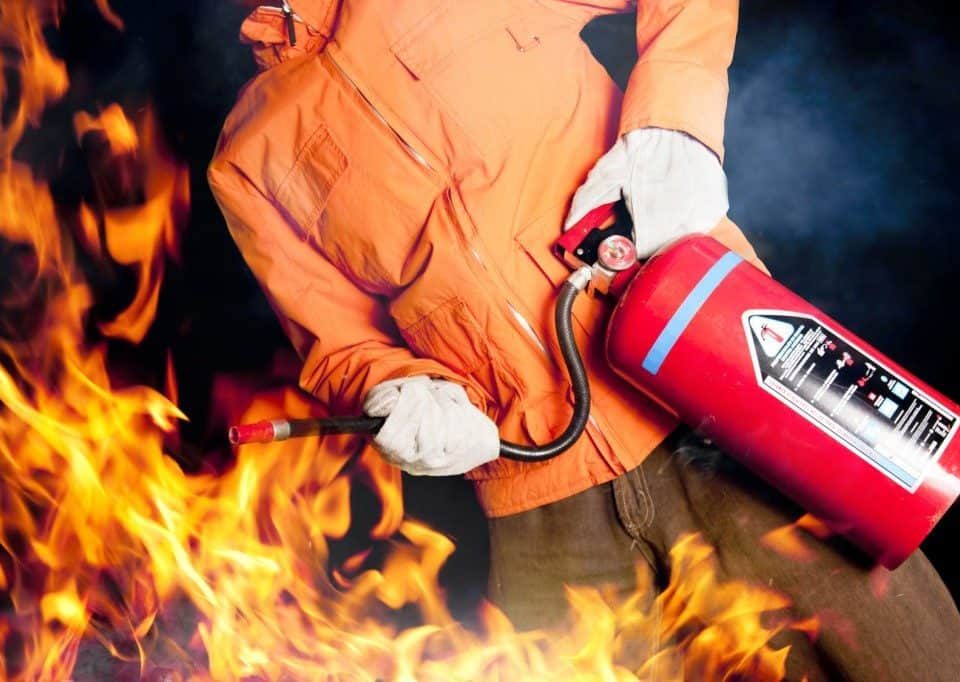
A vehicle fire can turn an ordinary journey into a serious emergency within minutes. A burning smell, smoke from the engine or an electrical fault can put drivers and passengers at risk, especially when help is far away.
Having the right fire extinguisher for vehicles can make a difference during the early stages of a small fire. However, choosing one requires more than simply keeping an extinguisher in your car. You need to understand the possible fire hazards.
In Pakistan, where cars, buses and commercial trucks travel through busy cities and long motorway routes, vehicle fire safety deserves attention. This guide explains how to select suitable fire protection equipment, where to keep it and what to do during an emergency.
Why Is a Fire Extinguisher Important for Vehicle Safety?
Vehicles contain fuel, electrical wiring, heated components and other materials that can contribute to a fire. A fault or fuel leak may create a dangerous situation, particularly when the vehicle is moving or carrying passengers.
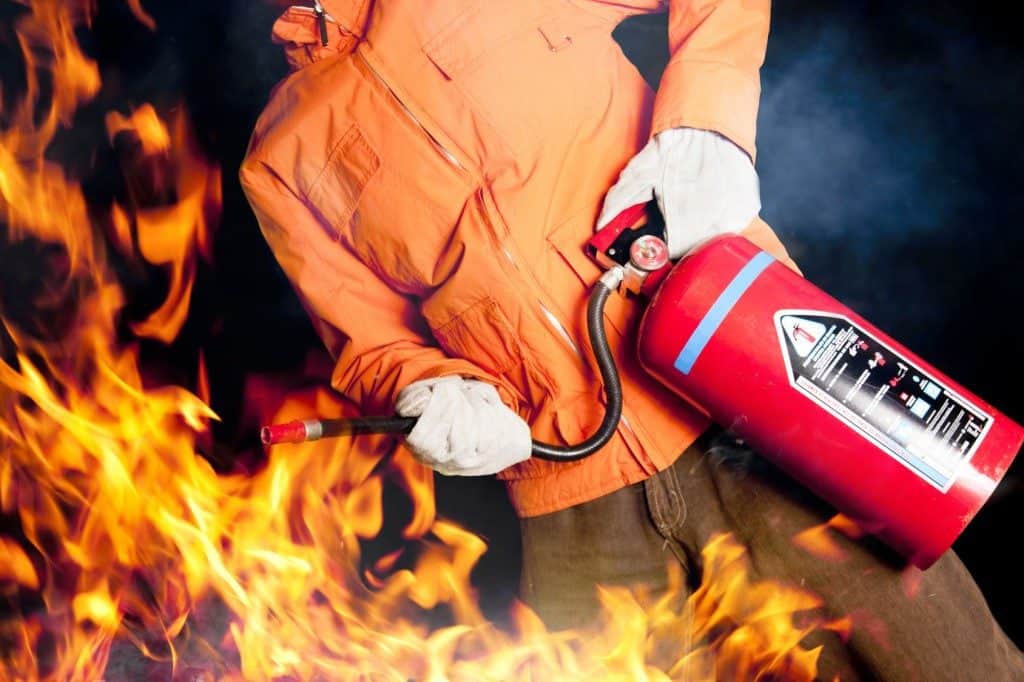
A suitable car fire extinguisher gives a trained driver a way to respond to a small, contained fire when it is safe to do so. However, personal safety and evacuation must always come before attempts to control flames.
For commercial vehicles, the concern extends beyond the driver. A fire involving a passenger bus or delivery truck can threaten passengers, nearby motorists and surrounding property.
This makes fire extinguishers an important part of portable fire protection equipment and wider emergency planning.
How Do You Choose the Right Fire Extinguisher for Vehicles?
Choosing the right extinguisher starts with understanding your vehicle, its potential fire hazards and the conditions in which it operates. You should also consider whether the equipment is suitable for the person expected to use it.
Several factors can help you make a safer decision.
1. Identify the Fire Hazards in Your Vehicle
Different vehicle components create different fire risks. Understanding these hazards helps you select an extinguisher with the appropriate fire classification rather than choosing one based only on its size or appearance.
Common vehicle fire hazards include:
- Fuel-related fires: Leaking petrol or diesel may ignite if exposed to a suitable ignition source.
- Electrical faults: Damaged wiring or faulty connections can produce heat and sparks.
- Engine overheating: Excessive heat may contribute to dangerous conditions, especially when combined with leaking fluids.
- Flammable materials: Interior fabrics, plastics and other combustible materials may catch fire.
- Cargo-related hazards: Commercial vehicles may carry goods that require additional fire safety precautions.
These risks can vary between private cars, passenger buses and commercial trucks. Identifying them first makes the next step easier.
2. Understand Which Extinguisher Type Is Suitable
Fire extinguishers are designed for different types of fires. An extinguisher that works on one burning material may be unsuitable or dangerous for another.
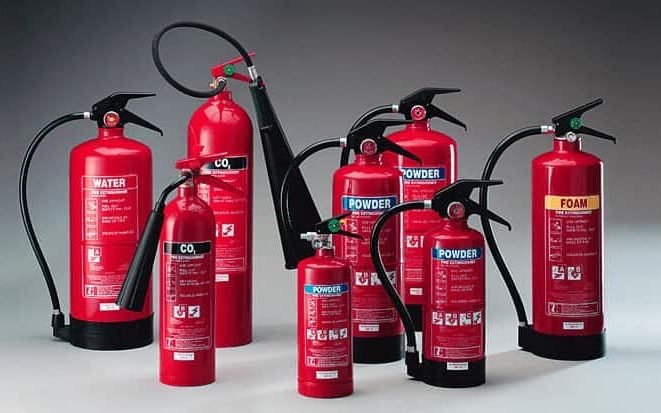
A dry chemical powder (DCP) extinguisher is commonly considered for vehicle applications because appropriately rated multipurpose versions can tackle several common fire classes.
However, not every DCP extinguisher has the same rating. Always check its label, approved applications and manufacturer instructions before deciding whether it suits your vehicle.
The following considerations can help:
- Fire classification: Check which types of fires the extinguisher is designed to control.
- Electrical suitability: Confirm whether it is appropriate for electrical hazards.
- Operating instructions: Choose equipment with clear instructions that users can understand.
- Environmental conditions: Confirm that the extinguisher is suitable for temperatures and conditions inside the vehicle.
Remember that no portable extinguisher is suitable for every possible vehicle fire. Fires involving specialised cargo, batteries or alternative fuel systems may require additional precautions and expert assessment.
3. Choose an Appropriate Size and Capacity
Extinguisher capacity matters because different vehicles have different levels of exposure, available storage space and emergency requirements.
A smaller private vehicle may have different needs from a commercial bus or heavy transport truck. However, selecting the smallest available extinguisher simply because it fits is not a reliable approach.
Before choosing a capacity, consider these factors:
- The vehicle’s size and intended use
- The type and quantity of potential fire hazards
- The manufacturer’s recommendations
- Applicable transport and workplace safety requirements
- The driver’s ability to handle the extinguisher safely
For commercial fleets, a qualified fire safety professional can help determine appropriate extinguisher capacity, quantity and placement.
4. Check the Quality and Condition
An extinguisher should be suitable for vehicle use and remain dependable under normal operating conditions. Constant movement, vibration, dust and temperature changes can affect equipment if it is not properly selected or maintained.
Before purchasing, check the extinguisher’s identification label, fire rating, operating instructions and applicable certification. Make sure its inspection and maintenance requirements are clear.
You should also confirm that authorised servicing and replacement support are available when needed.
5. Consider Accessibility and Secure Mounting
An extinguisher is less useful if the driver cannot reach it during an emergency. Its location should allow quick access without creating a hazard for passengers or interfering with vehicle controls.
Choose a secure mounting position that follows the extinguisher manufacturer’s instructions and applicable vehicle safety requirements.
Avoid leaving the extinguisher loose inside the vehicle. Sudden braking or a collision can turn unsecured equipment into a dangerous object.
Choosing Fire Extinguishers for Different Vehicles
A private car, passenger bus and commercial truck do not face identical fire risks. Their operating conditions, passenger numbers and cargo requirements can influence the selection of fire protection equipment.
Understanding these differences helps vehicle owners and fleet managers make informed decisions.
Fire Extinguishers for Cars
A car fire extinguisher should be suitable for the vehicle’s likely fire hazards and easy for the driver to access safely. Its capacity, rating and mounting arrangement should also be appropriate for the vehicle.
For example, a family travelling between Karachi and Hyderabad may spend long periods on the motorway. A properly maintained extinguisher can form part of their emergency preparation, alongside safe evacuation planning.
Drivers should also learn how to recognise warning signs and understand when attempting to fight a fire would be unsafe.
Fire Extinguishers for Trucks
Selecting a fire extinguisher for trucks requires attention to vehicle size, engine systems, operating conditions and the type of cargo being transported.
A delivery truck carrying ordinary packaged goods may have different fire protection needs from a vehicle transporting hazardous materials.
Fleet operators should assess these risks and follow the relevant transport, cargo and workplace safety requirements.
For commercial operations, suitable extinguishers should be supported by driver training, scheduled inspections and clear emergency procedures.
Fire Extinguishers for Buses
A bus fire extinguisher plays an important role in passenger transport safety. Bus operators must consider the vehicle’s layout, passenger capacity, emergency exits and potential fire hazards.
For example, a passenger bus travelling between major Pakistani cities may be far from immediate emergency assistance. Drivers and staff need clear procedures for recognising a fire, stopping safely and helping passengers evacuate.
Extinguisher selection and placement should follow applicable requirements and a proper fire risk assessment.
Passenger evacuation must remain the first priority whenever a fire threatens the vehicle.
How to Use a Vehicle Fire Extinguisher Safely
Having an extinguisher is only useful when the person handling it understands its operation and limitations.
The PASS fire extinguisher method provides a simple way to remember the basic operating steps for many portable extinguishers.
P
Pull the pin
Remove the safety pin according to the extinguisher’s instructions.
A
Aim at the base
Direct the nozzle towards the base of the flames from a safe position.
S
Squeeze the handle
Press the operating handle to release the extinguishing agent.
S
Sweep from side to side
Move the discharge across the base of the flames while maintaining a safe escape route.
The PASS method should only be attempted by someone who understands the extinguisher and can respond without putting themselves in danger.
If a vehicle fire occurs, stop in a safe location, switch off the engine if safe, evacuate everyone and move well away from traffic and the vehicle.
Call emergency services and warn others to keep their distance. Never open a smoking or burning engine compartment, as introducing air can intensify the fire.
Only consider using an extinguisher when the fire is very small, contained, the correct equipment is available and you have a clear escape route.
If there is any doubt, stay away and wait for emergency responders.
Where Should You Keep a Fire Extinguisher in Your Vehicle?
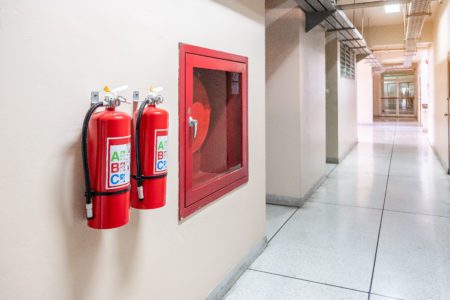
A vehicle extinguisher should be stored in a secure, accessible location approved for the vehicle and equipment. The mounting arrangement should prevent movement during normal driving, sudden braking or a collision.
The right position depends on the vehicle’s design and the extinguisher’s instructions.
Keep these points in mind:
- Easy access: The intended user should be able to reach the extinguisher without unnecessary delay.
- Secure mounting: Use an appropriate bracket or holder to prevent movement.
- Clear pathways: Do not obstruct doors, emergency exits or passenger movement.
- Safe positioning: Avoid locations that interfere with pedals, steering or other vehicle controls.
- Regular checks: Confirm that the extinguisher remains securely mounted and in good condition.
For buses and commercial vehicles, equipment placement should also support the operator’s emergency response plan.
How Often Should Vehicle Fire Extinguishers Be Inspected?
A fire extinguisher may remain unused for years, but that does not mean it can be ignored. Regular checks help identify damage, missing components or conditions that could affect its performance.
Drivers and fleet operators should follow the manufacturer’s inspection instructions and applicable maintenance requirements.
Routine checks generally include:
- Confirming that the extinguisher is in its designated position
- Checking for visible damage, corrosion or leakage
- Making sure operating instructions remain readable
- Checking the pressure indicator where one is fitted
- Confirming that the safety pin and tamper seal are intact
- Reviewing inspection and servicing records
If an extinguisher has been discharged, damaged or shows signs of a problem, arrange professional servicing or replacement as appropriate.
Do not assume that an extinguisher is ready for use simply because it looks undamaged.
Common Mistakes to Avoid When Choosing a Vehicle Fire Extinguisher
Buying an extinguisher without checking its suitability can leave a driver with equipment that does not address the vehicle’s actual hazards.
Several avoidable mistakes can affect vehicle fire safety.
- Choosing by price alone: A low purchase price does not establish suitability or reliability.
- Ignoring fire ratings: Different extinguishers are intended for different fire hazards.
- Using incorrect storage: Poor mounting can make the extinguisher difficult to access or dangerous during travel.
- Skipping inspections: Unnoticed damage or maintenance issues may affect performance.
- Overlooking training: Drivers may not know how to operate the extinguisher or when to evacuate.
The safer approach is to match the equipment to the vehicle’s risks and make sure the people responsible for it understand the emergency procedures.
Vehicle Fire Prevention Tips for Drivers in Pakistan
A fire extinguisher provides an additional emergency measure, but vehicle fire prevention begins with routine care and safe driving practices.
Checking your vehicle before travelling can help identify problems that might otherwise develop into serious hazards.
Maintain the Vehicle Regularly
Poorly maintained wiring, fuel systems and engine components can create fire risks. Arrange routine inspections and have qualified technicians investigate unusual smells, leaks or signs of overheating.
Avoid temporary electrical repairs or modifications that have not been properly assessed.
Take Extra Care During Long Journeys
Motorway fire safety deserves particular attention because drivers may be travelling long distances before reaching assistance.
Before a motorway journey, check the vehicle’s general condition and make sure passengers understand basic emergency precautions.
Do not continue driving if you notice smoke, a strong burning smell or another serious warning sign.
Keep Emergency Supplies Accessible
A vehicle emergency safety kit can support safer decision-making when a breakdown or emergency occurs.
Depending on the vehicle and journey, useful items may include:
- A suitable, securely mounted fire extinguisher
- A first aid kit
- Emergency contact information
- A warning triangle or other appropriate warning equipment
- A torch for low-light emergencies
These supplies should be selected and stored according to the vehicle’s needs. They cannot replace safe evacuation or professional emergency assistance.
Why Vehicle Fire Safety Awareness Matters in Pakistan
Improving road safety requires more than installing emergency equipment. Drivers need to understand how vehicle fires can start, recognise warning signs and respond without putting themselves or others at greater risk.
In its 111-Safety Newsletter (May–August 2026), Haseen Habib highlighted vehicle fire safety awareness through collaboration with the Motorway Police. The initiative focused on promoting fire safety awareness, appropriate extinguisher selection for cars, buses and trucks, and understanding the PASS method.
Such awareness is valuable for private motorists, transport operators and organisations responsible for vehicle fleets across Pakistan. For businesses, regular training and emergency planning can help drivers make safer decisions when an unexpected situation occurs.
Make Vehicle Fire Safety a Priority With Haseen Habib
A vehicle fire can put lives at risk before emergency help arrives. Choosing appropriate equipment, keeping it ready and knowing when to evacuate are practical steps towards protecting drivers, passengers and surrounding road users.
Haseen Habib supports fire safety awareness and provides fire protection equipment and related safety services in Pakistan. Our focus is on helping organisations and individuals understand fire risks and prepare responsibly.
If you’re reviewing fire protection arrangements for private vehicles, passenger transport or a commercial fleet, our team can help you discuss your requirements and suitable options.
Don’t wait for an emergency to find out whether your vehicle is prepared. Contact Haseen Habib to discuss your fire extinguisher for vehicles requirements and take a responsible step towards safer journeys.
Frequently Asked Questions
1. Which fire extinguisher is suitable for a car in Pakistan?
A multipurpose ABC-rated dry chemical powder extinguisher may be suitable for several common vehicle fire hazards. However, the correct choice depends on the vehicle, extinguisher rating and manufacturer’s instructions. Seek professional guidance if you are unsure.
2. Can the same fire extinguisher be used for cars, buses and trucks?
Not necessarily. Different vehicles have different fire risks, operating conditions and equipment requirements. Extinguisher capacity, quantity, fire rating and placement should be selected according to the vehicle and applicable safety requirements.
3. Is it safe to use a fire extinguisher on an engine fire?
Only a trained person should consider tackling a very small, contained fire when it is safe and a clear escape route exists. Never open a smoking or burning engine compartment. Evacuate and contact emergency services.
4. When should a vehicle fire extinguisher be replaced?
Replacement may be necessary if an extinguisher is damaged, has been discharged, cannot be properly serviced or has reached its specified service life. Follow the manufacturer’s instructions and have qualified personnel assess its condition.