Which Types of Fire Can a DCP Fire Extinguisher Control?
October 13, 2026
How to Choose the Right Fire Extinguisher for Vehicles in Pakistan?
October 21, 2026
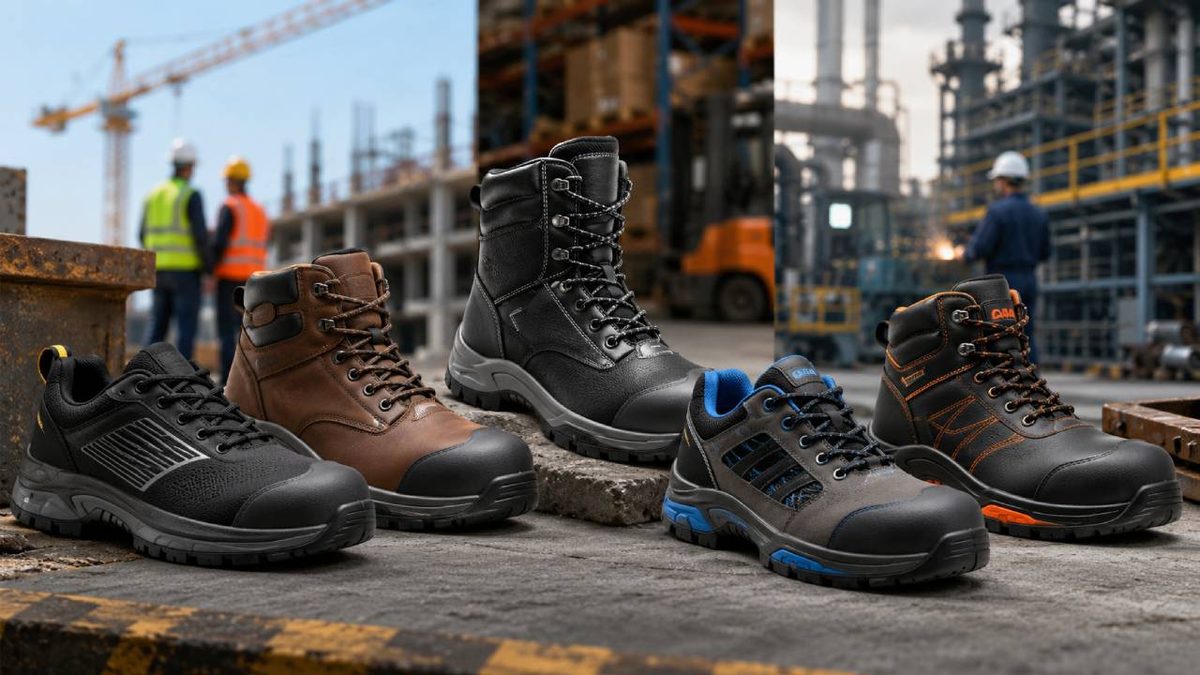
Choosing the right safety shoes starts with understanding the risks workers face every day. A warehouse worker may need protection from falling boxes, while an electrician needs footwear suited to electrical hazards. Wearing the wrong shoes can leave workers exposed to injuries, even when other protective equipment is available.
For businesses in Pakistan, selecting suitable industrial safety shoes means looking beyond appearance and price. The footwear must match the work environment, the hazards involved, and the demands of daily tasks. Comfort also matters because workers need to wear their shoes throughout their shifts.
The right choice begins with a workplace risk assessment. Once you understand the hazards, you can identify the protective features your employees need and make a more informed purchasing decision.
Identify Workplace Hazards First
Before purchasing protective footwear, examine the work area and the tasks employees perform. Different hazards require different levels of protection, so choosing shoes based only on general safety claims may leave important risks unaddressed.
Start by checking the floor conditions, materials workers handle, equipment they operate, and substances they may encounter. Pay attention to areas where employees lift heavy objects, work around machinery, or move between indoor and outdoor spaces.
A simple hazard review can help you identify the main risks before comparing footwear options.
- Falling or rolling objects: Workers handling tools, machinery parts, or heavy materials may need toe protection.
- Sharp objects: Construction and industrial workers may need soles designed to resist punctures.
- Slippery floors: Wet workshops, kitchens, and processing areas may require slip-resistant outsoles.
- Electrical hazards: Employees working around electrical equipment need footwear selected for the specific electrical risks involved.
- Chemical spills: Workers handling chemicals need materials that are compatible with the substances they may encounter.
- Hot surfaces: Foundry and other high-temperature workers may require footwear designed for heat exposure.
A workplace risk assessment should guide the final choice. One type of footwear may address several hazards, but no single pair should be assumed to protect against every workplace risk.
Match Shoes to Job Tasks
After identifying hazards, consider how employees perform their daily work. The right industrial safety shoes should provide suitable protection without making routine tasks harder or less comfortable.
For example, warehouse staff who walk and stand for long periods may need lightweight footwear with good grip and cushioning. Workers handling heavy equipment may need stronger toe protection, while employees in electrical maintenance need footwear selected for their particular exposure.
Also consider the work setting. Employees moving between outdoor yards and indoor production areas may face changing floor conditions, temperatures, and exposure risks. Their footwear should suit the most relevant hazards across their assigned duties.
Check Essential Safety Features
The protective features of safety shoes determine which hazards they can help reduce. Always check the manufacturer’s documentation rather than judging protection by the shoe’s appearance or general description.
Toe Protection
Protective toe caps help shield the toes from certain impacts and compression injuries. They may be suitable for workplaces where heavy objects could fall on a worker’s foot or roll across it.
However, toe protection alone does not address every hazard. Check whether the footwear meets the impact and compression requirements identified in your workplace assessment.
Slip-Resistant Soles
Slip-resistant soles can help reduce slipping on suitable surfaces, but their performance depends on the floor, the type of contamination, and the shoe’s design.
Workers in areas exposed to water, oil, or other liquids should use footwear tested for the relevant conditions. Keep in mind that slip-resistant does not mean slip-proof.
Puncture Resistance
Sharp debris, nails, and metal fragments can injure workers through the sole. Where this risk exists, consider footwear with a puncture-resistant layer designed for the expected conditions.
The protective layer and its coverage can vary. Check the specifications to confirm that the footwear suits the materials and surfaces workers encounter.
Electrical Protection
Electrical work requires particular care because footwear designed for one electrical hazard may not protect against another. Insulating footwear, conductive footwear, and static-dissipative footwear serve different purposes.
Never assume that ordinary rubber soles provide electrical protection. Select footwear according to the assessed electrical risk, the manufacturer’s instructions, and applicable workplace requirements.
Chemical and Heat Resistance
Some workplaces expose footwear to corrosive substances, hot materials, or high temperatures. The materials must be suitable for the specific exposure, including the chemical involved and the likely contact conditions.
Check the manufacturer’s compatibility information before choosing footwear for these environments. General claims such as chemical-resistant or heat-resistant may not cover every substance or temperature.
Ensure a Proper Fit
Even well-designed protective footwear can cause problems if it does not fit properly. Shoes that are too tight may cause pressure and discomfort, while loose footwear can affect balance and make walking more difficult.
Before approving footwear for your team, check these points:
- Toe space: Toes should have enough room without pressing against the protective cap.
- Heel fit: The heel should feel secure without excessive movement.
- Width: The shoe should not squeeze the sides of the foot.
- Support: The sole and cushioning should suit the worker’s daily activities.
- Weight: Footwear should be manageable during long shifts and repeated movement.
- Fastening: Laces or other closures should hold the shoe securely in place.
Whenever possible, let workers try the footwear while wearing their usual work socks. If employees use orthotic inserts, check that the footwear accommodates them without affecting its protective performance.
Check Safety Standards
Safety claims should be supported by clear product documentation. Before buying safety shoes in Pakistan, ask the supplier which standards the footwear meets and whether its certification or test documentation covers the hazards identified in your assessment.
Depending on the workplace and applicable requirements, relevant references may include ISO 20345 for safety footwear. However, the presence of a standard’s name alone is not enough. Confirm the specific edition, protection category, markings, and test evidence for the footwear being considered.
For organizations with formal health and safety procedures, procurement teams should also review internal PPE requirements and any applicable legal or industry-specific obligations. This helps ensure that purchasing decisions support the organization’s wider safety programme.
Consider Workplace Conditions
Pakistan’s workplaces vary considerably in temperature, humidity, dust levels, and floor conditions. Footwear that works well in an air-conditioned facility may not be suitable for a hot outdoor site or an area exposed to industrial contaminants.
Consider the following factors before making a final decision:
- Temperature: Check whether the footwear is appropriate for the working environment and expected heat exposure.
- Ventilation: Choose a design that supports comfort during long shifts without compromising required protection.
- Durability: Consider how frequently employees walk, kneel, climb, or work on rough surfaces.
- Cleaning: Confirm that the footwear can be cleaned and maintained according to the manufacturer’s instructions.
- Work schedule: Employees working extended shifts may need additional attention to fit, weight, and cushioning.
These details matter because workers are more likely to use their protective equipment correctly when it suits their daily duties and working conditions.
Compare Price and Long-Term Value
The safety shoes price in Pakistan can vary according to materials, protective features, construction, certification, and supplier terms. A lower purchase price does not automatically mean better value for an organization.
When comparing quotations, assess the footwear against the hazards and the expected demands of the job. A cheaper option may be unsuitable if it lacks the required protection or wears out quickly under normal working conditions.
Procurement teams should compare more than the initial cost. Consider replacement frequency, availability of suitable sizes, product documentation, and the supplier’s ability to provide consistent footwear for the workforce.
For bulk purchases, request clear specifications and compare equivalent protection categories. This makes it easier to evaluate quotations fairly instead of choosing an option based on price alone.
Inspect and Replace Worn Shoes
Selecting appropriate footwear is only the first step. Regular inspection helps workers and supervisors identify damage that may affect protection.
Before each shift, employees should check for visible cracks, damaged soles, loose stitching, worn tread, and deterioration caused by chemicals or heat. They should also report changes in fit or damage to protective components.
Footwear should be cleaned, stored, and maintained according to the manufacturer’s instructions. Workers should not modify protective footwear in ways that could affect its safety features.
Replace footwear when damage, wear, or contamination compromises its protective function. Follow the manufacturer’s guidance and workplace procedures rather than relying on a fixed replacement schedule for every job.
Choose a Reliable Safety Equipment Supplier
For organizations purchasing workplace safety equipment, supplier selection deserves the same care as product selection. Clear documentation, dependable communication, and access to appropriate protective equipment can help procurement teams make informed decisions.
Haseen Habib Trading Pvt. Ltd. has served Pakistan’s fire safety and industrial safety sector for decades, supplying safety equipment to government organizations, defense institutions, and businesses. Its fire and safety product range includes industrial safety equipment and personal protective equipment.
Before placing an order, share your workplace risk assessment and ask the supplier to clarify the available protection categories, relevant documentation, sizing options, and suitability for your working conditions. This helps your team compare options based on actual safety needs.
If you’re reviewing protective equipment for an industrial facility, commercial building, or large workforce, Haseen Habib can help you discuss your organization’s safety equipment requirements. Contact us to connect with the team and discuss your requirements.
Frequently Asked Questions
1. How do I choose the right safety shoes?
Identify the workplace hazards first, then select footwear with suitable protective features. Check the product documentation, fit, applicable safety standards, and compatibility with the tasks employees perform.
2. Are safety shoes necessary for every industrial worker?
Not every role requires the same footwear. Employers should assess the hazards associated with each job and provide suitable protective equipment according to applicable requirements and workplace safety procedures.
3. What affects the safety shoes price in Pakistan?
Prices depend on factors such as materials, protective features, construction, applicable certifications, and supplier terms. Compare footwear with equivalent protection requirements rather than choosing solely by price.
4. How often should safety shoes be replaced?
Replace them when damage, worn tread, contamination, or deterioration affects their protective function. The replacement interval depends on working conditions, usage, and the manufacturer’s maintenance guidance.