How Do You Know Which Fire Extinguisher Is Suitable for Different Fire Classes?
November 19, 2026
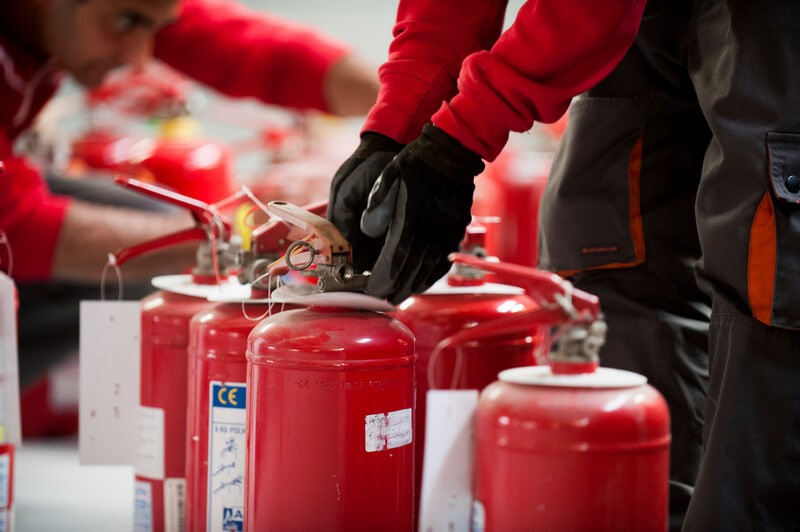
Knowing how to use a fire extinguisher can make a difference during an emergency. However, even people who understand the basic instructions can make mistakes when a fire breaks out. Panic, poor visibility, and a lack of practical training can affect how someone responds.
The PASS Fire Extinguisher method provides four simple steps: Pull, Aim, Squeeze, and Sweep. Although the process is easy to remember, using it correctly requires more than following these instructions. You must also maintain a safe distance, aim at the right place, consider wind direction, and recognise when a fire is too dangerous to approach.
For businesses and industrial facilities across Pakistan, understanding these mistakes helps employees respond more safely and avoid unnecessary risks.
What Is the PASS Fire Extinguisher Method?
The PASS fire extinguisher method is a simple procedure that explains how to operate a portable fire extinguisher. Each letter represents one action that helps users remember the correct operating sequence.
Before discussing common mistakes, it helps to understand what each step involves.
- P – Pull: Pull the safety pin to release the operating mechanism.
- A – Aim: Direct the nozzle or hose towards the base of the fire.
- S – Squeeze: Press the operating handle to release the extinguishing agent.
- S – Sweep: Move the nozzle from side to side across the base of the flames.
Although these steps are straightforward, mistakes during operation can reduce the extinguisher’s effectiveness. More importantly, incorrect use can expose you to heat, smoke, and other hazards.
Common Mistakes When Using PASS
Most PASS technique mistakes happen when people rush, misunderstand the instructions, or approach a fire without assessing the situation. These errors can waste valuable time and make an already dangerous situation worse.
Understanding the following mistakes can help employees prepare for emergencies and use firefighting equipment more responsibly.
1. Aiming Directly at the Flames
One of the most common mistakes is pointing the extinguisher towards the visible flames instead of the base of the fire.
The flames are only the visible part of the fire. The burning material underneath is what needs to be controlled. Aiming too high may waste the extinguishing agent without stopping the combustion.
Correct approach: Direct the nozzle towards the base of the fire. Keep it focused on the burning material while releasing the extinguishing agent.
2. Standing Too Close to the Fire
Getting too close can expose you to intense heat, smoke, and sudden changes in the fire. It also leaves you with less time and space to move away if the flames spread.
Standing too far away can also reduce the effectiveness of the discharge.
Correct approach: Start at a safe distance recommended for the extinguisher. Follow its operating instructions and move closer only if the fire remains small and conditions are safe.
Never approach flames or heavy smoke just to reach the fire more effectively.
3. Forgetting to Pull the Safety Pin
The safety pin prevents accidental discharge during storage and handling. However, someone unfamiliar with the equipment may forget to remove it or struggle with the mechanism during an emergency.
This can delay the response when every second matters.
Correct approach: Learn how the safety pin and operating handle work before an emergency. During training, practise identifying the pin and understanding how the extinguisher is activated.
4. Releasing the Handle Too Early
Some people release the operating handle too soon because they become nervous or assume the fire is already under control. This interrupts the discharge and may leave parts of the burning material untreated.
Correct approach: Keep the handle pressed while directing the agent across the base of the fire. Continue only while the fire remains small and it is safe to respond.
If the extinguisher runs out or the flames continue spreading, stop your attempt and evacuate.
5. Sweeping the Nozzle Incorrectly
The sweeping movement helps distribute the extinguishing agent across the burning area. However, moving the nozzle too quickly or focusing on only one section can leave parts of the fire untreated.
Correct approach: Move the nozzle from side to side in a controlled manner, covering the base of the flames. Maintain a safe position and follow the manufacturer’s operating instructions.
6. Ignoring Wind Direction
Wind can change the direction of an extinguishing agent. If you stand directly against the wind, the discharge may blow back towards you instead of reaching the fire.
This can reduce visibility and expose you to the extinguishing agent.
Correct approach: Where possible, approach from the upwind side so the wind carries the agent towards the fire. Never move into an unsafe position simply to change your approach.
This precaution is particularly relevant in outdoor areas, industrial yards, and open storage spaces.
7. Using the Wrong Fire Extinguisher
Following the PASS steps correctly does not make an unsuitable extinguisher safe. Different fires require different extinguishing agents, and choosing the wrong one can increase the danger.
For example, using water on burning cooking oil can cause the burning liquid to splash and spread. Certain electrical fires also require suitable non-conductive extinguishing agents.
Correct approach: Check the extinguisher’s fire rating before use. Employees should understand which equipment is suitable for the hazards present in their work area.
If the fire type is unknown or the correct extinguisher is unavailable, prioritise evacuation and contact emergency responders.
8. Ignoring the Risk of Re-Ignition
A fire may appear extinguished while hot materials continue smouldering underneath. If the source of heat remains, flames can return after the extinguishing agent has been discharged.
This can happen with fires involving wood, paper, and other solid materials.
Correct approach: From a safe position, watch the affected area for signs of renewed smoke or flames. Do not approach hot debris or burning materials to inspect them closely.
If the fire starts again, evacuate rather than attempting another unsafe intervention.
When Should You Avoid Using a Fire Extinguisher?
Knowing how to operate a fire extinguisher also means understanding when not to use one. A small fire may sometimes be controlled safely, but a spreading fire can quickly become life-threatening.
Your safety and evacuation must always come before protecting property.
Avoid attempting to fight a fire in the following situations:
- The fire is spreading quickly: Flames are growing or moving beyond the original burning area.
- Smoke is building up: Thick smoke makes breathing and visibility difficult.
- Your escape route is blocked: You cannot move away safely if the attempt fails.
- Hazardous materials are involved: Unknown chemicals or reactive substances may require specialist firefighting support.
- The correct extinguisher is unavailable: Using an unsuitable extinguishing agent can make the situation worse.
- You have not received proper training: You are unsure how to operate the equipment or assess the danger.
If any of these conditions apply, raise the alarm, evacuate the building, and contact the appropriate emergency services. Do not delay leaving to collect personal belongings or equipment.
Fire Extinguisher Safety Precautions Before Use
Many operating mistakes can be prevented before a fire starts. Regular equipment checks and employee awareness help people understand what to do instead of trying to learn during an emergency.
For this reason, workplace fire safety planning should cover both equipment readiness and practical training.
Before an emergency, organisations should consider the following precautions:
- Check accessibility: Keep extinguishers visible and easy to reach.
- Inspect the equipment: Look for visible damage, missing pins, leakage, or signs of discharge.
- Read the operating label: Make sure employees understand the instructions and fire ratings.
- Maintain clear escape routes: Keep emergency exits and access paths free from obstructions.
- Train employees: Provide practical guidance on the PASS method and safe evacuation decisions.
- Review workplace hazards: Check whether the available extinguishers match the materials and activities at your facility.
These precautions help employees understand their responsibilities and respond more confidently during a workplace fire.
Why PASS Training Matters in Workplaces
Reading the PASS instructions is useful, but employees may struggle to remember each step during a stressful emergency. Practical training gives them an opportunity to understand the equipment and learn how to respond safely.
This is particularly important in facilities where employees work near machinery, electrical systems, flammable materials, or industrial processes.
A workplace fire safety programme should cover several important areas:
- Extinguisher identification: Understanding different types of firefighting equipment and their applications.
- Correct operating procedure: Learning the PASS method through suitable demonstrations.
- Hazard recognition: Identifying situations where using an extinguisher would be unsafe.
- Emergency evacuation: Understanding alarm procedures, escape routes, and assembly points.
- Equipment readiness: Learning basic inspection and maintenance requirements.
For organisations across Pakistan, Haseen Habib Trading (Pvt.) Ltd. operates in the fire safety sector, supporting organisations with fire protection equipment and related safety requirements.
A responsible fire safety programme should consider employee awareness alongside suitable equipment. Both play an important role in preparing people for workplace emergencies.
Build Safer Fire Response Practices With Haseen Habib
A fire emergency leaves little room for confusion. Employees need to recognise the danger, understand the correct operating procedure, and know when to leave the area.
Even a properly maintained Fire Extinguisher cannot protect people if they do not understand its limitations or how to use it safely.
At Haseen Habib Trading (Pvt.) Ltd., fire safety remains an important part of protecting workplaces and the people who depend on them. Explore our fire safety equipment and solutions and take a more responsible approach to workplace fire preparedness.
FAQs
1. What does PASS stand for in fire extinguisher use?
PASS stands for Pull, Aim, Squeeze, and Sweep. These steps explain how to release the safety pin, direct the nozzle towards the fire’s base, discharge the agent, and move it across the burning area.
2. Should you aim a fire extinguisher at the flames?
No. Aim towards the base of the fire, where the burning material is located. Directing the extinguishing agent at the upper flames may waste the discharge without controlling the source.
3. Should you use a fire extinguisher against the wind?
Where possible, approach from the upwind side so the wind carries the extinguishing agent towards the fire. Avoid any approach that exposes you to smoke, flames, or other hazards.
4. When should you stop using a fire extinguisher?
Stop if the fire spreads, smoke becomes heavy, your escape route is threatened, or the extinguisher fails to control the fire. Evacuate immediately and contact emergency responders.