How to Choose the Right Fire Extinguisher for Vehicles in Pakistan?
October 21, 2026
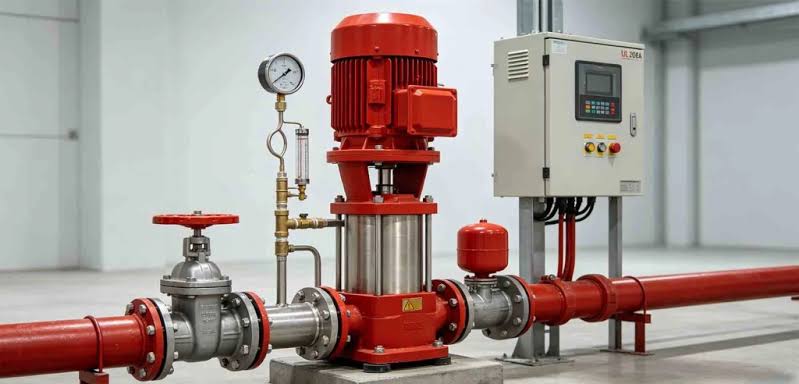
A fire breaks out in a building, the alarm goes off, and the sprinkler system activates. But what happens if there isn’t enough water pressure to control the flames? That’s where a properly designed fire pump becomes important.
For hospitals, factories, warehouses, and commercial buildings in Pakistan, choosing the right pump is an important fire protection decision. Electric, diesel, and jockey pumps perform different jobs, and understanding those differences helps you plan a reliable system.
The right choice depends on your building’s water demand, available power supply, and fire protection requirements. Before selecting any equipment, you need to understand how these pumps work together and what each one contributes during an emergency.
What Is a Fire Pump and How Does It Work?
A fire pump is a mechanical device that increases water pressure and delivers the required flow to a building’s fire protection system. It supports sprinklers, hydrants, and other water-based firefighting equipment when the available water supply cannot meet system requirements.
During a fire, the pressure in the firefighting water network may fall as sprinklers or hydrants begin discharging water. The main pump starts through its controller when the system reaches the specified starting pressure.
The pump draws water from an approved source and supplies it at the pressure needed by the fire protection system. Its performance must match the building’s calculated fire protection demand.
A typical fire pump system may include the following components:
- Main fire pump: Supplies the required firefighting water flow and pressure
- Pump driver: Uses an electric motor or diesel engine to operate the main pump
- Jockey pump: Maintains normal system pressure and compensates for minor leakage
- Controllers: Monitor system conditions and manage pump starting
- Water supply: Provides the water needed for firefighting operations
- Piping and valves: Direct water through the fire protection network
Each component has a specific purpose. Understanding the differences between the pump types will help you decide which arrangement suits your facility.
What Are the Different Types of Fire Pumps?
Electric, diesel, and jockey pumps are commonly used in fire protection installations. Electric and diesel pumps can serve as main firefighting pumps, while jockey pumps handle normal pressure maintenance.
Their functions become clearer when you look at each type separately.
1. Electric Fire Pump
An electric fire pump uses an electric motor to drive the pumping mechanism. It provides firefighting water when system pressure falls and the controller starts the motor.
Electric pumps are commonly considered for facilities with a suitable and dependable electrical supply. Their operation does not require an on-site diesel fuel system, although electrical reliability remains an important design consideration.
Advantages of an electric fire pump
- No diesel fuel storage: The pump operates using electrical power
- Simpler engine maintenance: There is no diesel engine to service
- Lower operating noise: Electric motors are generally quieter than diesel engines
- Automatic starting: A dedicated controller starts the pump when required
- Building integration: The equipment can be incorporated into a properly designed fire protection installation
However, electrical availability must be assessed carefully. A building may have electricity during normal operations but experience supply interruptions during an emergency.
For example, a hospital in Karachi may have a reliable electrical network and standby power arrangements. Its fire protection designer must still verify that the proposed electrical supply meets the applicable requirements for the pump.
2. Diesel Fire Pump
A diesel fire pump uses a diesel engine instead of an electric motor. It can operate without relying on the building’s normal electrical power supply, provided its engine, fuel system, controls, and supporting components remain operational.
Diesel-driven pumps are often considered for industrial facilities, warehouses, and locations where electrical supply reliability is a concern.
Advantages of a diesel fire pump
- Independent engine drive: Operation does not depend on the normal electrical supply
- Suitable for demanding sites: Can be considered where power interruptions are a significant concern
- Automatic operation: The engine can start through its dedicated fire pump controller
- Flexible system planning: May serve as a primary or additional pump where the design permits
Diesel pumps also require proper fuel arrangements, ventilation, engine cooling, batteries, and regular maintenance. These requirements must be considered before installation.
Imagine a manufacturing facility outside Lahore where electricity interruptions occasionally affect operations. A diesel-driven main pump may be worth evaluating, but its suitability still depends on the approved fire protection design.
3. Jockey Pump
A jockey pump is a smaller pressure-maintenance pump used in many fire protection systems. Its job is to maintain normal pressure and compensate for minor water losses caused by leakage.
Without pressure maintenance, small pressure changes could repeatedly trigger the main pump. A jockey pump helps reduce unnecessary main-pump starts during normal conditions.
Advantages of a jockey pump
- Pressure maintenance: Helps keep the system within its intended pressure range
- Minor leakage compensation: Replaces small amounts of water lost from the network
- Reduced unnecessary starts: Helps prevent minor pressure losses from starting the main pump
- Automatic operation: Starts and stops through its pressure-control arrangement
A jockey pump cannot replace the main firefighting pump. Its capacity is intended for pressure maintenance, not the water flow required during a fire.
This distinction matters because an incorrectly sized jockey pump could interfere with the intended starting sequence of the main pump.
Electric vs Diesel vs Jockey Pump: What’s the Difference?
The main difference is their purpose and driving mechanism. Electric and diesel pumps provide firefighting water, while jockey pumps maintain normal pressure.
The following comparison explains their roles.
| Feature | Electric fire pump | Diesel fire pump | Jockey pump |
| Main purpose | Firefighting water supply | Firefighting water supply | Pressure maintenance |
| Power source | Electric motor | Diesel engine | Usually an electric motor |
| Starts when | Main pump start pressure is reached | Main pump start pressure is reached | Minor pressure loss occurs |
| Water demand | Designed for firefighting flow | Designed for firefighting flow | Designed for small pressure losses |
| Main consideration | Reliable electrical supply | Fuel and engine readiness | Correct pressure settings and sizing |
| Replaces main pump? | Can serve as main pump | Can serve as main pump | No |
A facility may require one main pump or an arrangement involving multiple pumps. The final configuration depends on the applicable standards, fire risk assessment, and approved system design.
How to Choose the Right Fire Pump for Your Building
Choosing the right fire pump starts with understanding your building’s fire protection needs. A hospital, manufacturing plant, and commercial warehouse may require different pumping arrangements because their water demand, available supply, and operating conditions vary.
Before purchasing equipment, a qualified fire protection engineer should assess the following factors.
1. Calculate the Required Water Flow and Pressure
Every fire protection system needs sufficient water flow and pressure to operate as designed. These requirements depend on the building’s hazards, sprinkler coverage, hydrant arrangements, and hydraulic calculations.
A fire fighting pump must deliver the required performance under the specified operating conditions.
The assessment should cover:
- Flow rate: The amount of water required during firefighting operations
- Discharge pressure: The pressure needed to serve the fire protection network
- Building height: The effect of elevation on water delivery
- System demand: The requirements of sprinklers, hydrants, and other connected equipment
- Available supply: The pressure and flow already provided by the water source
These calculations determine the required pump performance. Choosing equipment based only on building size or a previous project’s specifications can lead to unsuitable results.
2. Assess the Water Supply
A fire water pump needs an adequate and dependable water source. Even a correctly selected pump cannot supply the required firefighting water if the source cannot support the system’s demand.
For example, a commercial building may depend on a dedicated fire water storage tank. The pump selection must account for the available water level, suction conditions, and the approved system arrangement.
Engineers should examine the water supply before finalising the pump type, location, and installation design.
3. Evaluate Electrical Power Reliability
Power availability can influence whether an electric or diesel-driven arrangement is appropriate. This deserves particular attention in facilities where interruptions could affect emergency equipment.
An electric pump requires a power supply that meets the applicable fire protection requirements. A diesel-driven pump offers a different driving arrangement but introduces engine maintenance and fuel management responsibilities.
Some facilities use both electric and diesel-driven main pumps where redundancy is required by the approved design.
The decision should follow a technical assessment rather than a general assumption that one driving method is always safer.
4. Consider the Pump Room and Installation Space
A pump room needs enough space for the equipment, associated piping, controls, inspections, and maintenance access.
The available space can influence the pump configuration and installation arrangement. Diesel-driven equipment may also require additional consideration for ventilation, cooling, and exhaust systems.
Before approving a layout, check the following:
- Equipment clearance: Adequate room for inspection and maintenance
- Ventilation: Appropriate conditions for the selected pump drivers
- Drainage: Arrangements for testing and incidental water discharge
- Access: Safe entry for authorised maintenance personnel
- Environmental protection: Suitable protection against flooding and other site hazards
A properly planned installation helps technicians inspect and maintain the equipment without unnecessary difficulty.
5. Review Applicable Fire Safety Standards
Fire pump selection and installation should follow the standards and approval requirements applicable to the project.
NFPA 20, Standard for the Installation of Stationary Pumps for Fire Protection, is a recognised reference for stationary fire pump installations.
However, the applicable edition and additional requirements must be confirmed with the project’s fire protection consultant and relevant approving authority.
For facilities in Pakistan, this review may involve project specifications, insurer requirements, and relevant local fire safety approvals.
How Do Electric, Diesel, and Jockey Pumps Work Together?
In an arrangement that includes all three, the jockey pump maintains normal system pressure. Electric and diesel-driven pumps serve the main firefighting demand according to the approved operating sequence.
Understanding that sequence helps facility managers recognise why each pump has a different responsibility.
Step 1: The Jockey Pump Maintains Pressure
During normal conditions, minor leakage or pressure fluctuations may cause the system pressure to fall.
The jockey pump starts at its configured pressure setting and restores the intended pressure. It then stops according to its controller settings.
This prevents small pressure changes from unnecessarily starting a main pump.
Step 2: A Main Fire Pump Starts When Required
When sprinklers or hydrants operate, the water demand can cause a larger pressure drop.
At the specified starting pressure, the main pump controller starts its assigned pump. The pump then supplies water to the fire protection network.
The actual sequence depends on the approved controller arrangement and system design.
Step 3: The Additional Pump Provides Its Assigned Function
Where an additional main pump is installed, it may serve a standby or other specified role.
For example, a diesel-driven pump may be arranged to start when pressure continues falling to its designated setting. Its operation must follow the approved control sequence.
The presence of two main pumps does not automatically mean they are designed to run together or provide additional combined capacity.
Step 4: The System Requires Proper Resetting
Once the emergency has been addressed, authorised personnel must follow the approved procedures for stopping, inspecting, and resetting the equipment.
Main fire pumps generally require manual stopping under standard arrangements, even when they start automatically.
The system should be checked before it is returned to normal service.
Common Fire Pump Selection Mistakes to Avoid
Fire protection equipment is a long-term investment. However, a poor selection decision can create operational problems and make future maintenance more difficult.
Facility managers should watch for several common mistakes during planning and procurement.
- Choosing capacity without calculations: The pump may fail to meet the required water demand.
- Ignoring the power supply: An unsuitable electrical arrangement can affect system readiness.
- Selecting an oversized jockey pump: Incorrect sizing may interfere with main pump starting.
- Overlooking suction conditions: Poor water supply arrangements can affect pump performance.
- Ignoring maintenance access: Limited space can complicate inspections and servicing.
- Skipping acceptance testing: Installation problems may remain unnoticed before handover.
These issues are easier to address during design than after installation. Having qualified engineers review the system before procurement can help prevent expensive changes.
Why Is Regular Fire Pump Maintenance Important?
A fire pump system may remain idle for long periods, but it must be ready when a fire occurs. Regular inspection, testing, and maintenance help identify faults before an emergency exposes them.
The maintenance programme should follow the applicable standards, equipment instructions, and facility requirements.
Check the Main Pump and Controller
Routine checks help identify abnormal conditions, visible leakage, damaged components, or controller faults.
Testing should confirm that the equipment responds according to its approved operating sequence.
Any unexpected result should be investigated by qualified personnel.
Inspect Diesel Engine Components
Diesel-driven pumps need attention to their engines and supporting systems.
Fuel condition, starting batteries, cooling arrangements, and other engine components should be inspected according to the required maintenance programme.
A diesel engine that cannot start reliably may leave the facility without its intended pumping capability.
Monitor the Jockey Pump
Frequent jockey pump operation can indicate leakage, pressure-control problems, or other issues within the network.
Facility managers should investigate unusual operating patterns rather than simply adjusting the pressure settings.
Changes to the settings should only be made by authorised personnel following the approved design.
Keep Inspection and Testing Records
Documented records help maintenance teams identify recurring problems and confirm which checks have been completed.
They also provide useful information during audits, system reviews, and equipment servicing.
For organisations managing multiple facilities across Pakistan, consistent records make it easier to monitor the condition of their fire protection equipment.
Where Are Fire Pump Systems Commonly Used in Pakistan?
Fire pumps support water-based fire protection systems across many commercial and industrial environments. The required arrangement depends on the hazards and approved design of each facility.
Common applications include:
- Hospitals: Supporting sprinkler and hydrant systems where specified
- Manufacturing plants: Supplying firefighting water for industrial fire hazards
- Commercial buildings: Supporting water-based fire protection across multiple floors
- Warehouses: Serving systems designed for the building’s storage hazards
- Oil and gas facilities: Supporting engineered firefighting water networks
- Airports and seaports: Serving designated fire protection installations
For example, a chemical processing facility may require a more demanding firefighting water arrangement than a conventional office building.
The selection must account for the actual hazards, rather than relying on a standard arrangement for every property.
Choose the Right Fire Pump System With Haseen Habib
Selecting the right fire pump requires more than comparing electric and diesel power. Your building’s water demand, available supply, pressure requirements, and emergency operating conditions all influence the final decision.
At Haseen Habib, we understand how important dependable fire protection is for facilities across Pakistan. Our fire safety offerings include fire pumps, hydrant systems, water-based fire protection equipment, and related engineering and consultancy services.
Our team can help you discuss your facility’s fire protection requirements and explore suitable equipment and system arrangements. You can also review our fire protection and fixed systems to understand the equipment available for different applications.
Your building’s fire protection system needs to be ready before an emergency happens. Connect with Haseen Habib to discuss your fire pump system requirements and take the next step towards a properly planned firefighting water supply.
Frequently Asked Questions
1. Which is better, an electric or diesel fire pump?
Neither is automatically better. Electric pumps require a suitable electrical supply, while diesel pumps depend on their engines and supporting systems. The appropriate choice depends on the facility’s fire protection design, available utilities, and applicable requirements.
2. Can a jockey pump be used as the main fire pump?
No. A jockey pump is intended to maintain normal system pressure and compensate for minor leakage. It is not designed to replace a main pump supplying the required firefighting water flow.
3. Do all buildings need both electric and diesel fire pumps?
No. The required number and type of pumps depend on the approved fire protection design, applicable standards, power arrangements, and project requirements. Some installations may need additional pumping arrangements for reliability or redundancy.
4. How often should a fire pump system be tested?
Testing frequency depends on the equipment, applicable standards, and facility requirements. NFPA 25 is commonly referenced for inspection, testing, and maintenance of water-based fire protection systems. Qualified personnel should establish and follow the appropriate schedule.