When Does a Building Need a Fire Suppression System?
August 31, 2026
How Often Should Fire Safety Equipment Be Inspected?
September 11, 2026

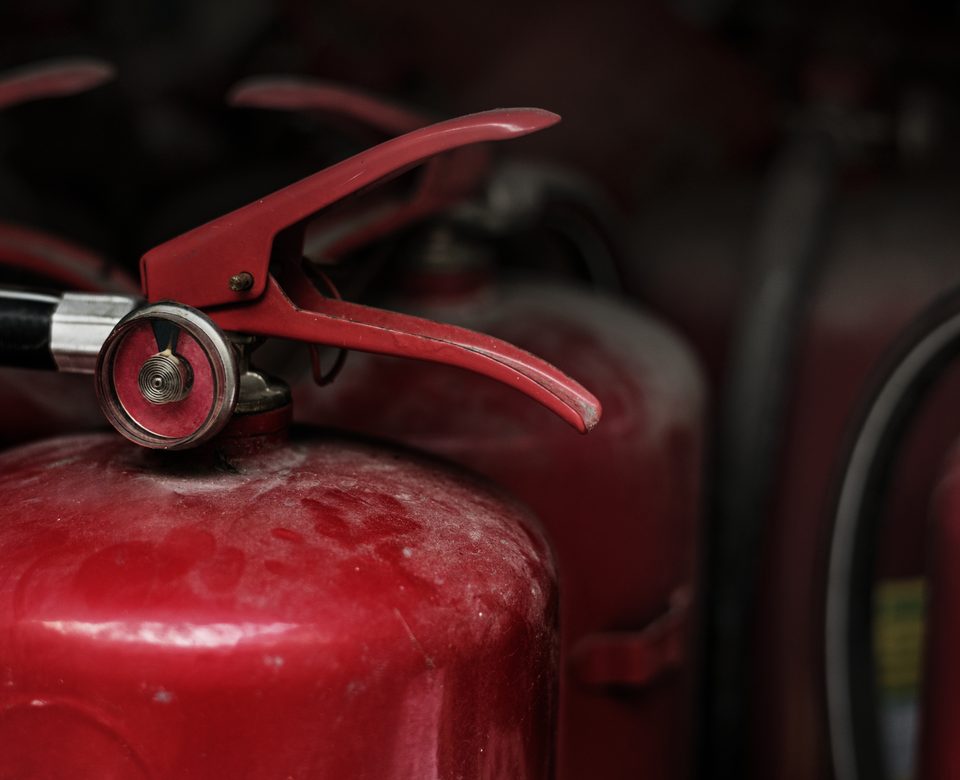
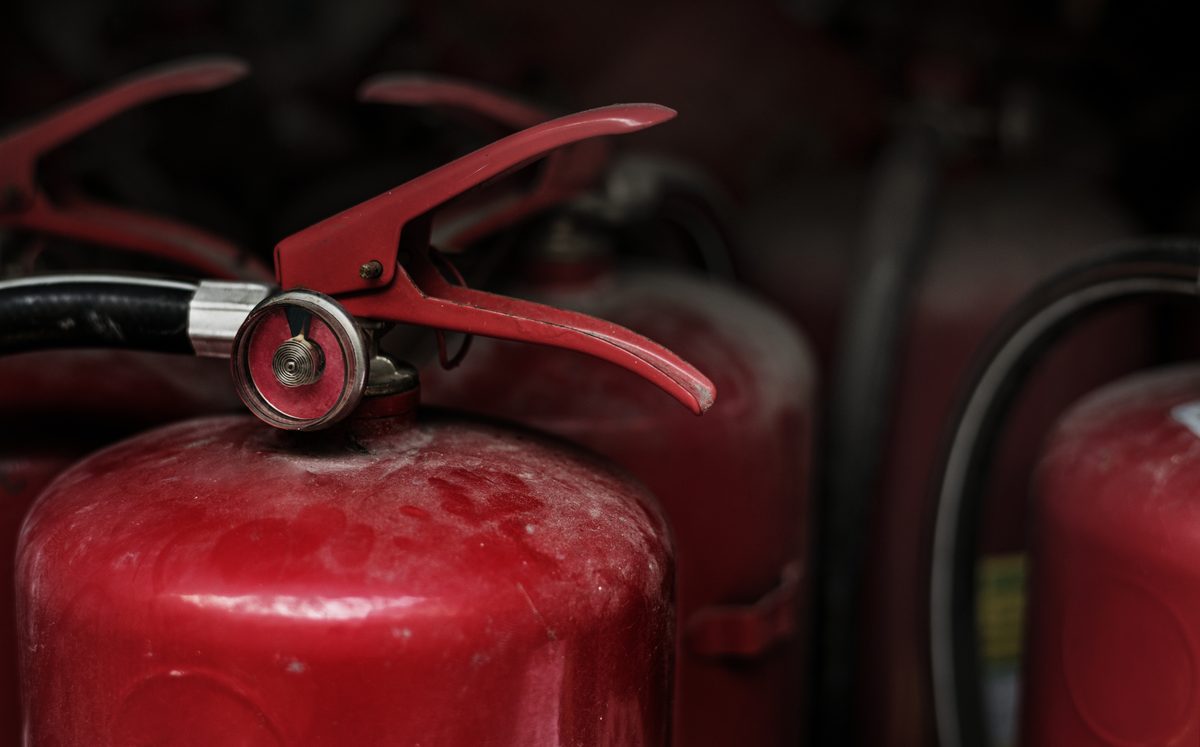
A fire extinguisher can stop a small fire from becoming a major emergency, but the extinguishing agent matters just as much as the cylinder itself. Using the wrong type can leave sensitive equipment exposed or create additional damage during an emergency.
A Halotron 1 fire extinguisher is different because it uses a clean, gaseous extinguishing agent designed for specific Class B and Class C fire risks, particularly where protecting valuable electrical and electronic equipment matters. Unlike powder or foam, it does not leave a solid residue after discharge.
That makes Halotron 1 useful for selected environments such as offices, electrical areas, laboratories, server rooms, telecom facilities, and other spaces where equipment damage from residue can be a serious concern.
What Is Halotron 1?
Halotron 1 is a clean-agent fire extinguishing medium used in portable extinguishers and certain specialised fire protection applications. It is designed to suppress suitable fires without leaving the powder or liquid residue associated with some conventional extinguishing agents.
The agent is electrically non-conductive, which makes it suitable for certain energized electrical equipment where using water-based agents would be inappropriate. However, the specific fire risk and equipment involved should always be assessed before selecting an extinguisher.
This distinction is important because a Halotron 1 fire extinguisher isn’t intended to replace every other extinguisher. Different fire classes require different extinguishing approaches.
How Is Halotron 1 Different?
The biggest difference is the extinguishing agent and what happens after discharge. Traditional extinguishers may use dry chemical powder, water, foam, or carbon dioxide, while Halotron 1 uses a clean agent that leaves little to no residue.
That characteristic can make it valuable in locations where keeping equipment operational after a fire is a major consideration.
For example, discharging a dry chemical extinguisher near sensitive electronic equipment can leave powder throughout the protected area. A clean agent can reduce that type of cleanup concern when it is appropriate for the hazard.
Key Differences to Understand
The differences become easier to understand when you look at the type of agent and the environment in which each extinguisher is normally used:
- Halotron 1: Clean agent, electrically non-conductive, and suitable for certain electrical and flammable-liquid fire risks.
- Dry chemical powder: Versatile and commonly used for Class A, B, and C hazards, but leaves powder residue.
- Carbon dioxide: Clean and non-conductive, commonly used around electrical equipment and suitable Class B fires, but has important safety limitations.
- Water: Effective for many Class A fires involving ordinary combustibles, but unsuitable for energized electrical equipment and certain other hazards.
- Foam: Useful for selected Class A and Class B risks, particularly where flammable liquids are involved.
The right choice depends on the hazard rather than simply choosing the extinguisher that appears most versatile.
Why Does Residue Matter?
Residue can become a serious concern when a fire occurs around sensitive or expensive equipment. Dry chemical powder can spread across surfaces, ventilation openings, electronics, and machinery during discharge.
Cleaning may require equipment shutdown and specialist attention, depending on the environment. For a business operating critical systems, the consequences can extend beyond the fire itself.
A Halotron 1 fire extinguisher can be considered where minimising extinguishing-agent residue is important. This is one reason clean-agent extinguishers are often associated with sensitive electronic and electrical environments.
Where Is Halotron 1 Used?
Halotron 1 is generally considered for areas where electrical equipment, electronics, and certain flammable-liquid hazards require protection without the residue associated with dry chemical powder.
Potential applications can include:
- Computer and server rooms
- Telecom facilities
- Electrical and control rooms
- Laboratories
- Offices containing sensitive electronics
- Industrial control areas
- Certain vehicles and specialised equipment
- Other locations with valuable electronic assets
The application should always be confirmed through a proper fire risk assessment. The presence of electronic equipment alone does not automatically mean Halotron 1 is the correct choice.
Is Halotron 1 Safe for Electronics?
A Halotron 1 fire extinguisher is designed for use around energized electrical equipment because the agent is electrically non-conductive and does not leave the same powder residue associated with dry chemical extinguishers.
That can be useful when protecting computers, control panels, telecom equipment, and similar assets. However, the extinguisher should only be used on fires within its rated applications and according to the manufacturer’s instructions.
Electrical equipment can also present hazards beyond the visible flames. Before attempting to extinguish a fire, ensure you have a safe escape route and that the fire is still small enough to approach safely.
Halotron 1 vs Dry Chemical
Dry chemical extinguishers are widely used because they can protect against several common fire classes. They are practical for general-purpose fire protection across many commercial, industrial, and residential settings.
Their main disadvantage in sensitive areas is the powder residue produced during discharge. That residue can contaminate equipment and create additional cleanup requirements.
Halotron 1 offers a different approach. It is more specialised and may be preferable where clean discharge and electrical compatibility are important.
This doesn’t make Halotron 1 universally better. A dry chemical extinguisher may be the more appropriate option when broader fire-class coverage is required.
Halotron 1 vs Carbon Dioxide
Both Halotron 1 and carbon dioxide are clean agents that can be used around suitable electrical equipment. However, they have different characteristics and should not be treated as identical.
Carbon dioxide extinguishers are commonly used for Class B and electrical fire risks and leave no residue. However, carbon dioxide can create an oxygen-deficient atmosphere in enclosed spaces, making discharge safety especially important.
Halotron 1 also requires responsible use, but its characteristics make it another option for selected portable fire protection applications where residue is a concern.
The decision should be based on the protected hazard, room conditions, equipment, extinguisher rating, and applicable fire safety requirements.
Can Halotron 1 Replace a Fire Suppression System?
No. A Halotron 1 fire extinguisher is a portable piece of fire safety equipment that requires someone to identify the fire, retrieve the extinguisher, approach the fire safely, and discharge the agent.
A fixed fire suppression system works differently. It is installed to protect a defined area and may automatically detect and suppress a fire without waiting for someone to reach the affected location.
For example, a server room may require an automatic gaseous suppression system for area-wide protection while portable extinguishers provide an additional first-response measure.
These systems serve different purposes and can work together as part of a wider fire protection strategy.
What Fires Can Halotron 1 Extinguish?
Halotron 1 extinguishers are generally intended for suitable Class B and Class C fire hazards, including certain flammable-liquid and energized electrical fires.
They should not be treated as a universal extinguisher for every fire. For example, ordinary combustible materials such as paper, wood, and many fabrics may require an extinguisher specifically rated for Class A fires.
Before purchasing or installing one, check the extinguisher’s fire rating and intended application. The agent should match the hazard being protected.
Check the Fire Classification
Understanding fire classes helps prevent the wrong extinguisher from being selected for a particular location:
- Class A: Ordinary combustible materials such as wood, paper, and textiles
- Class B: Flammable liquids such as petrol, oils, and solvents
- Class C: Flammable gases under commonly used classification systems
- Electrical hazards: Energized electrical equipment requires an electrically suitable extinguishing agent
Fire classifications can vary by standard and jurisdiction, so the label and applicable local requirements should always be checked before selection.
When Should You Choose Halotron 1?
Halotron 1 can be a sensible consideration when a facility has sensitive equipment and needs a portable extinguisher that does not leave dry chemical powder behind.
A business with expensive networking equipment, for example, may prefer a clean-agent extinguisher in an appropriate location rather than relying solely on a powder extinguisher.
Similarly, a telecom facility may need to protect equipment that is difficult or expensive to clean after discharge. In such cases, residue becomes part of the fire protection decision rather than an afterthought.
However, the extinguisher still needs the correct rating, capacity, accessibility, and maintenance.
What Should You Check Before Buying?
Choosing a Halotron 1 fire extinguisher requires more than checking the agent name on the cylinder. The equipment needs to be suitable for the actual hazard and installed where people can reach it quickly.
Before purchasing, consider these practical points:
- Fire rating: Confirm the extinguisher is rated for the hazards present.
- Capacity: Choose a size appropriate for the protected area and expected fire risk.
- Certification: Check applicable standards, approvals, and manufacturer documentation.
- Condition: Inspect the cylinder, valve, hose, safety seal, and pressure indicator where applicable.
- Accessibility: Place it where trained personnel can reach it quickly.
- Maintenance: Follow the required inspection, servicing, and replacement schedule.
- Training: Make sure relevant personnel understand when and how to use it safely.
For larger facilities, selection should form part of a broader fire risk assessment rather than being treated as an isolated equipment purchase.
Common Mistakes to Avoid
A clean-agent extinguisher can provide useful protection, but incorrect selection or placement can reduce its value during an emergency.
Avoid these common mistakes:
- Assuming Halotron 1 is suitable for every fire
- Choosing an extinguisher without checking its rating
- Treating it as a replacement for fixed suppression
- Installing it where access is blocked
- Ignoring inspection and servicing requirements
- Using an extinguisher after a fire has grown beyond safe manual control
- Failing to train personnel on emergency response
The most important rule is simple: never attempt to fight a fire when doing so puts you or others at serious risk.
How Does It Fit Into Fire Safety?
A portable extinguisher is only one part of a properly planned fire protection arrangement. Larger facilities may also need detection, alarms, sprinklers, hydrants, emergency lighting, evacuation plans, and automatic suppression.
The right combination depends on the building, occupancy, hazards, equipment, and applicable requirements.
For example, an industrial control room may use detection and an automatic gaseous fire suppression system, supported by suitable portable extinguishers. A general warehouse may rely more heavily on sprinklers, hydrants, and appropriately rated portable equipment.
This layered approach gives each protection measure a clear role.
Choosing the Right Fire Safety Equipment
The best extinguisher is the one that matches the fire hazard, protected equipment, environment, and response requirements. Cost or popularity alone should not determine the selection.
If your facility contains sensitive electronics, electrical infrastructure, industrial machinery, flammable liquids, or other specialised hazards, a professional assessment can help identify the appropriate fire safety equipment.
For organizations in Pakistan, this assessment can be especially valuable when protecting government facilities, industrial plants, telecom sites, hospitals, commercial buildings, and other critical operations.
Get the Right Protection for Your Facility
Choosing a Halotron 1 fire extinguisher is ultimately about protecting more than the extinguisher itself. The right equipment can help reduce the risk of unnecessary damage when a small fire develops around valuable electrical or electronic assets.
Haseen Habib has been serving Pakistan’s fire protection and safety needs since 1968 and provides firefighting equipment, fixed suppression systems, fire detection solutions, fire risk assessments, training, surveys, plans, and consultancy services.
If your facility contains sensitive electronics or specialised fire hazards, don’t wait until an emergency exposes a protection gap. Talk to Haseen Habib about your site’s fire risks and get guidance on the right fire safety equipment for the environment you need to protect.
Frequently Asked Questions
What makes Halotron 1 different from other extinguishers?
Halotron 1 uses a clean, electrically non-conductive extinguishing agent that leaves little to no residue, making it suitable for selected electrical and sensitive-equipment applications.
Is Halotron 1 safe for electrical equipment?
It is designed for suitable energized electrical fire hazards, but the extinguisher must have the appropriate rating and should only be used according to its instructions.
Is Halotron 1 better than a dry chemical extinguisher?
Neither is universally better. Halotron 1 may be preferable where residue is a major concern, while dry chemical extinguishers generally offer broader protection for common fire classes.
Can Halotron 1 replace an automatic fire suppression system?
No. A portable Halotron 1 extinguisher provides manual first-response protection, while an automatic fire suppression system is designed to protect a defined area through installed detection and suppression equipment.