
What Is a Fire Hydrant System in Pakistan and Why Is It Important?
April 29, 2026
How Do Smoke Detectors Work and Why Are They Important?
May 19, 2026
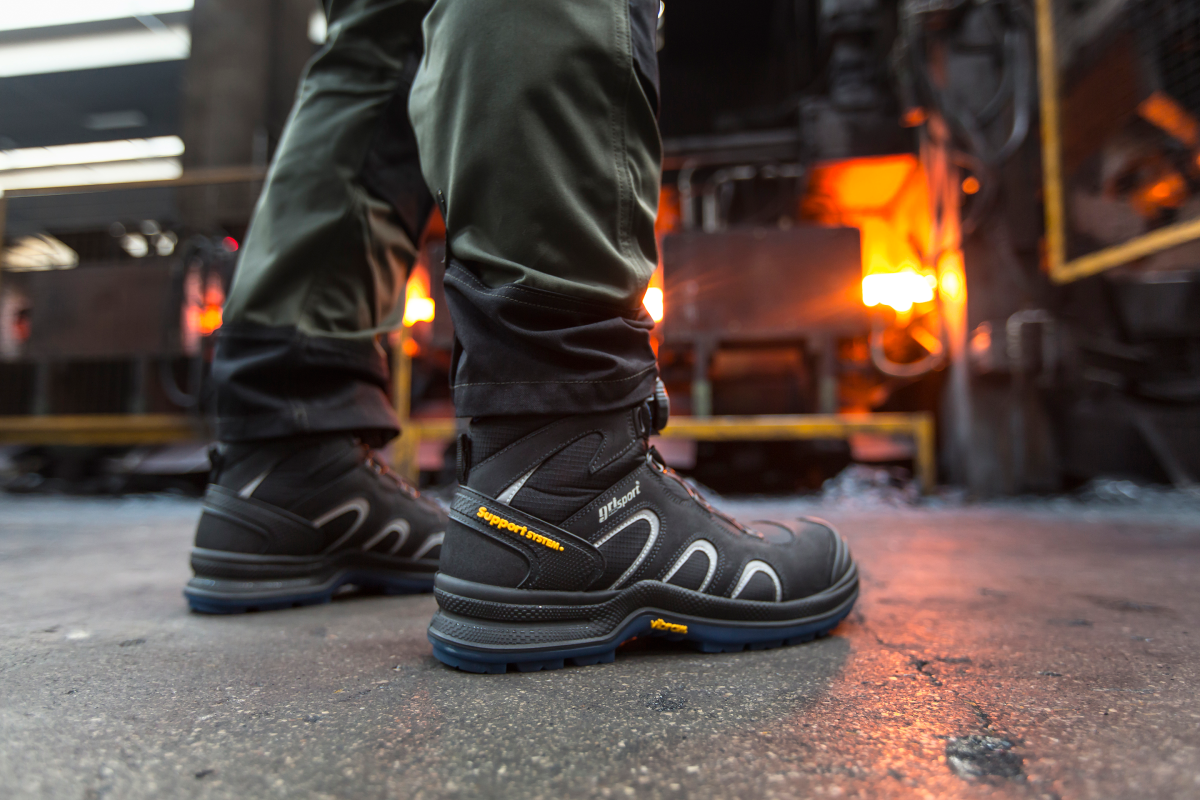
When we talk about workplace safety, most people think about helmets, gloves, masks, or jackets. But one very important part that is often ignored is safety shoes. These are not normal everyday shoes. They are specially designed footwear made to protect your feet from serious injuries at work. In many industries, your feet are at constant risk, and even a small accident can cause pain, loss of work days, or long-term damage. That is why safety shoes are considered an important part of workplace protection.
What Are Safety Shoes?
Safety shoes are strong protective shoes designed to keep your feet safe from hazards like falling objects, sharp materials, slippery surfaces, and sometimes even electrical risks. In simple words, they act like a shield for your feet. They are part of essential safety equipment used in many industries such as construction, manufacturing, warehouses, oil and gas, and electrical work. These shoes are built with strong materials and usually include a reinforced toe area, often made of steel or composite materials, which protects your toes from getting crushed.
Why Safety Shoes Are Important in the Workplace
The main purpose of safety shoes is simple: to reduce the risk of injury. Workplace accidents involving feet are more common than many people think. For example, in construction sites, heavy tools, bricks, or machinery parts can fall at any time. Without protection, this can cause serious injury. But with safety shoes, the impact is absorbed and the foot remains protected. This is why employers in many industries make it mandatory to wear them during work hours.
Protection from Sharp Objects
Another very important benefit of safety shoes is protection from sharp objects. In places like factories or warehouses, the floor may have nails, metal scraps, broken glass, or other sharp materials. A normal shoe cannot protect against these dangers. Safety shoes are designed with thick soles that prevent sharp objects from penetrating through, keeping your feet safe even in risky environments.
Protection from Slips and Falls
Slipping is another common workplace accident. Floors in industrial areas can often be wet, oily, or dusty. A simple slip can lead to serious injury like fractures or sprains. Safety shoes come with anti-slip soles that provide better grip on different surfaces. This helps workers maintain balance and move confidently, even in unsafe conditions.
Protection from Electrical Hazards
In some workplaces, electrical hazards are also present. Electric shocks can be extremely dangerous and sometimes fatal. Special types of safety shoes are designed to reduce electrical conductivity, adding an extra layer of protection for workers who deal with electrical systems or live wires. This shows that safety shoes are not just about physical protection but also about preventing invisible dangers.
Comfort and Long Working Hours
Comfort is another important factor. Many people assume safety shoes are heavy and uncomfortable, but modern designs focus on both safety and comfort. Workers often stand or walk for long hours, so safety shoes are made with cushioned insoles and breathable materials to reduce fatigue. When feet are comfortable, workers can focus better on their tasks, which also improves productivity.
Safety Shoes as Part of Safety Equipment
Safety shoes are a key part of overall safety equipment in any professional environment. Safety equipment includes all protective tools used at work such as helmets, gloves, goggles, reflective jackets, and protective footwear. Each item plays a role in reducing risks, but safety shoes are especially important because many accidents start from ground-level hazards. Protecting the feet means protecting mobility, balance, and overall safety.
Where Safety Shoes Are Used
These shoes are widely used in industries where risk is high. Construction workers use them to avoid injuries from falling materials. Factory workers rely on them for protection from machines and sharp objects. Warehouse staff use them to handle heavy loads safely. Electricians depend on them for insulation from electrical risks. Even in oil and gas industries, safety shoes are required due to rough terrain and heavy equipment.
Conclusion
In conclusion, safety shoes may look simple, but they play a very powerful role in workplace protection. They protect against heavy objects, sharp materials, slips, and electrical hazards while also providing comfort during long working hours. When combined with other safety equipment, they help create a much safer working environment. Ignoring foot protection can lead to serious accidents, but wearing safety shoes is a small step that makes a big difference. A safe worker is a smart worker, and safety always starts from the ground up—with the right pair of safety shoes.