
Why is CO2 used in a fire extinguisher rather than O2?
November 25, 2025
Digital Training Tools for Fire Extinguisher Use and Safety
November 29, 2025
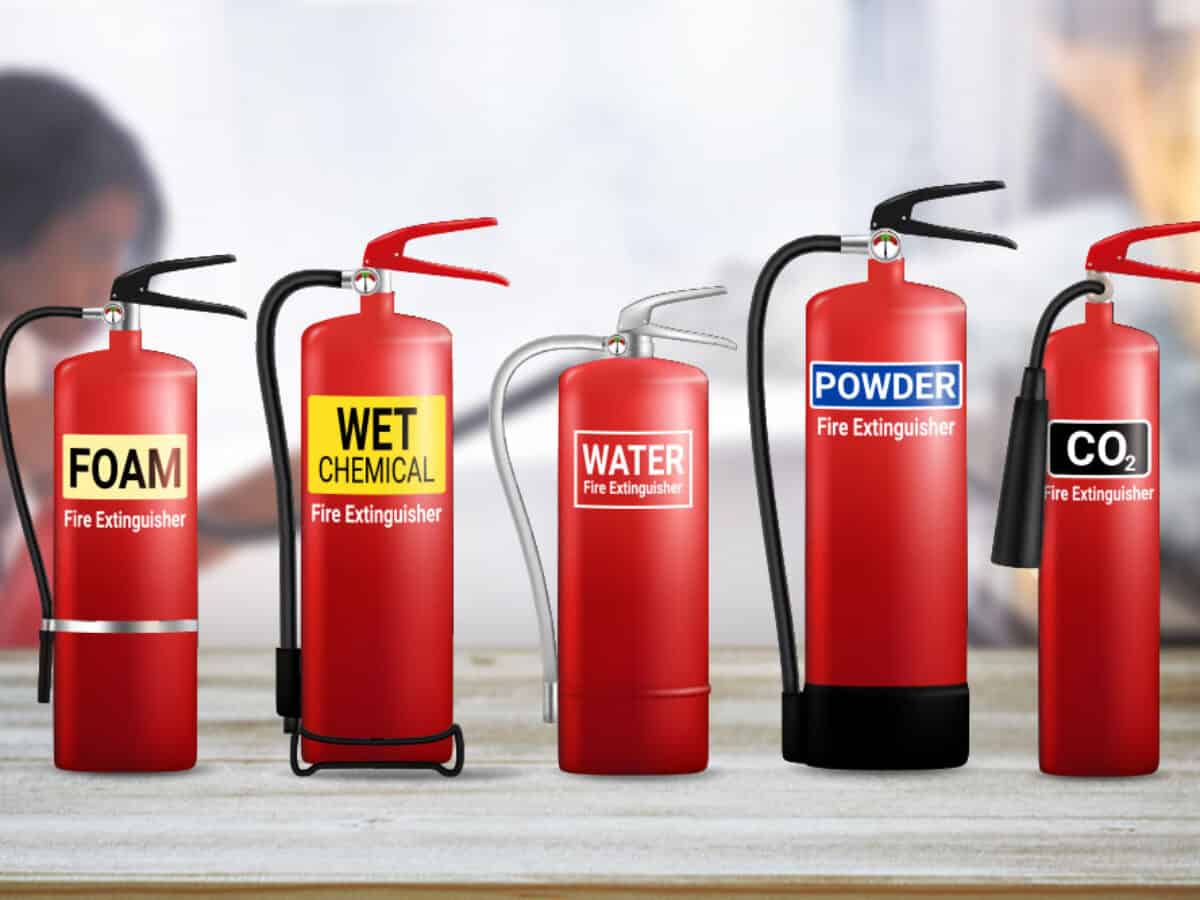
Fire extinguishers are essential safety tools designed to combat different types of fires effectively based on their chemistry. Understanding the chemistry behind these fire extinguishers helps us choose the right extinguisher for specific fire classes, ensuring safety and efficiency in fire control.
How Fire Works: The Fire Triangle
At the core of any fire, the fire triangle consists of three elements: heat, fuel, and oxygen. extinguishers work by removing or interrupting one or more of these components. Chemistry plays a key role in determining how different extinguisher types disrupt this triangle to stop fires.
Types of Fire Extinguishers and Their Chemistry
Water Extinguishers
Water extinguishers cool the heat element by removing heat from the fire triangle, mainly effective on Class A fires like wood, paper, and cloth. However, water is hazardous when used on electrical or oil fires because it can conduct electricity or spread the oil.
Foam Extinguishers
Foam contains chemicals that create a barrier separating oxygen from the fuel, effectively smothering Class A and B fires. The chemical composition typically involves aqueous film-forming foam (AFFF), which cools and blankets flammable liquids.
Dry Chemical Powder Extinguishers
These use chemicals like monoammonium phosphate and sodium bicarbonate to interrupt the chemical chain reaction of fire. They can handle Class A, B, and C fires depending on the powder type, making them versatile extinguishers.
CO2 Fire Extinguishers
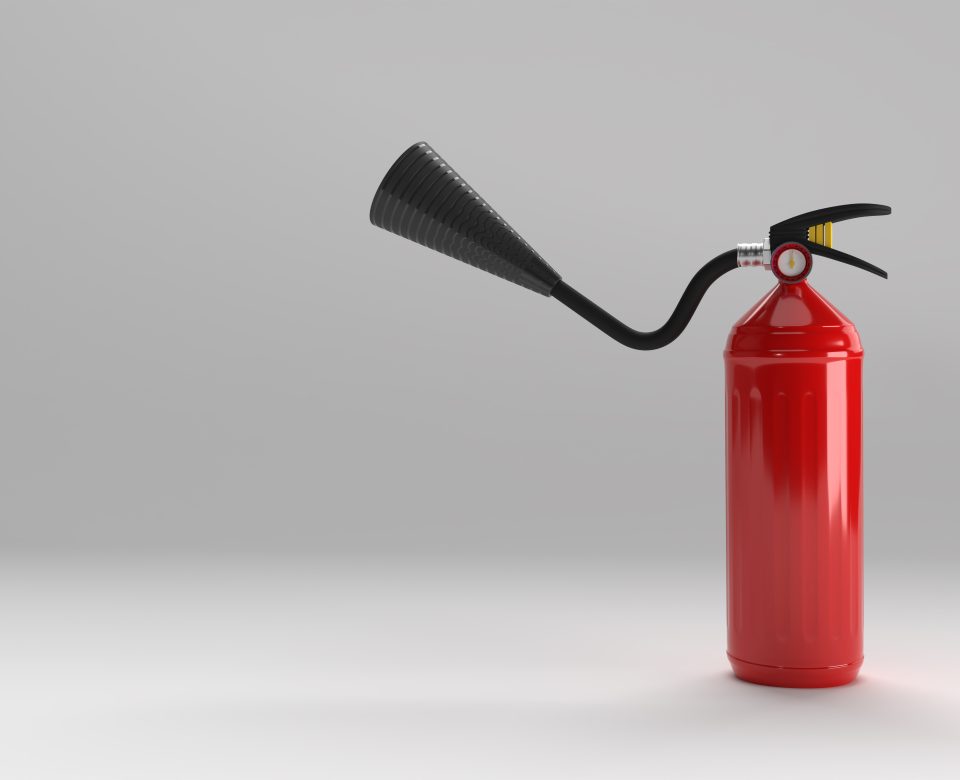
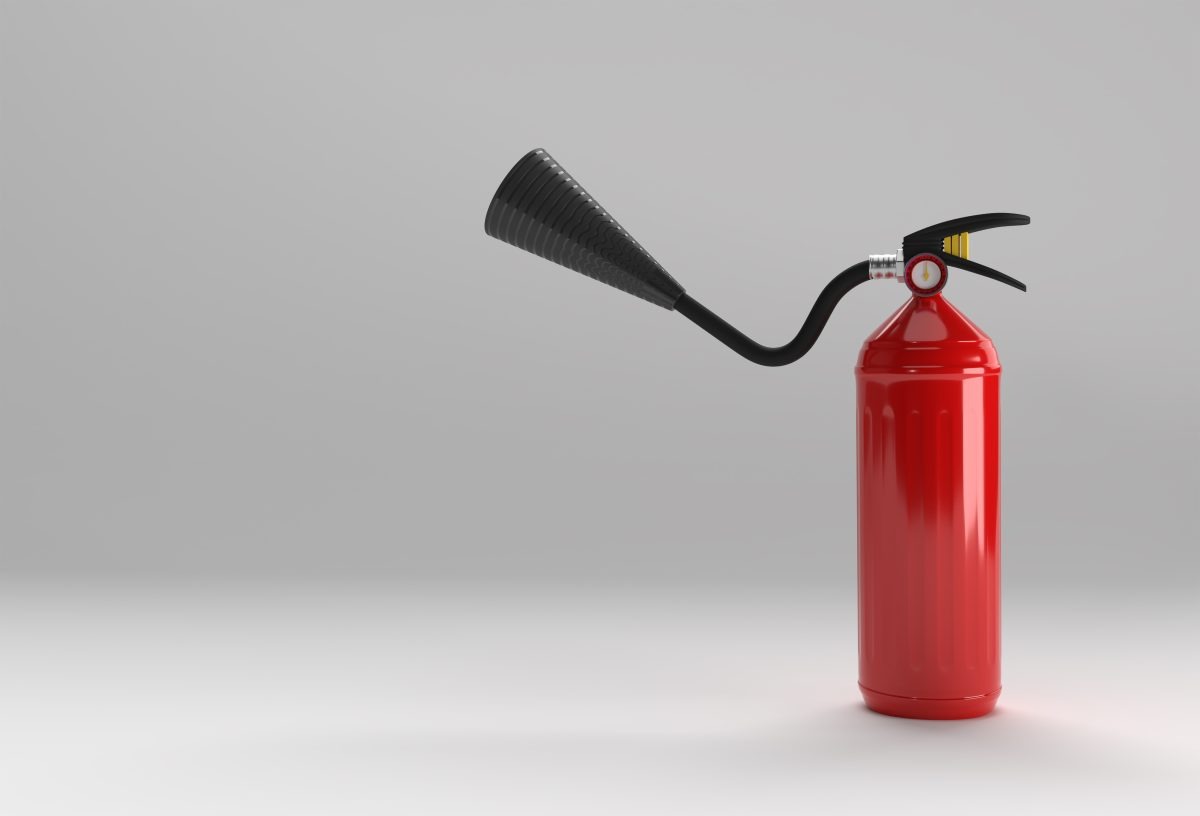
CO2 extinguishers release carbon dioxide gas that displaces oxygen and cools the fire by expanding into a cold “snow.” They are ideal for electrical and Class B fires but require cautious handling because CO2 can cause suffocation in confined spaces.
Wet Chemical Fire Extinguishers
These contain potassium acetate or citrate solutions that cool and chemically react with oils and fats through saponification, turning them into soap and effectively putting out kitchen (Class K) fires.
Clean Agent Fire Extinguishers
These contain halotron or other clean gases that stop the chain reaction of fire without leaving damaging residue, making them suitable for sensitive areas like data centers and laboratories.
Metal (Class D) Fire Extinguishers
For combustible metal fires, special dry powders like sodium chloride or copper compounds are used as traditional agents like water or CO2 can worsen these fires due to their unique chemistry.
Additional Fire Safety Tools
Alongside extinguishers, tools such as fire blankets and fire buckets provide supplementary fire control options. Fire extinguisher balls, which release extinguishing agents automatically when engulfed in flames, are gaining popularity, with fire extinguisher ball prices in Pakistan reflecting their innovative features.
Different types of extinguishers such as fire extinguisher cylinders, car extinguishers, and CO2 fire extinguishers all have unique chemistry suited for their specific applications, with fire extinguisher gas composition tailored to fire classes.
Choosing the Right Fire Extinguisher
Understanding “which gas is used in a fire extinguisher” is crucial. Misuse can escalate a fire instead of extinguishing it. Always select the right extinguisher based on fire classification for safety and effectiveness. For buying options and advice on fire extinguisher price, including fire extinguisher ball price in Pakistan, consult trusted suppliers like Haseen Habib for the best quality and guidance.
For safety and expert advice on extinguishers, visit Haseen Habib to explore a range of extinguishers suited for all your fire safety needs.