
Fire Extinguisher Safety: Precautions and Best Practices
December 17, 2025
Knowing When to Replace Your Fire Extinguisher
December 26, 2025

Fire extinguishers stand as the essential first responders in any workplace safety plan, ready to halt small flames before they turn into uncontrollable blazes. By weaving them thoughtfully into daily operations, businesses protect their teams, assets, and reputation while staying ahead of legal demands.
Understanding Fire Risks
Fires spark in workplaces from everyday hazards like faulty wiring, spilled chemicals, or hot equipment. In offices, overloaded outlets pose threats; factories battle flammable solvents; warehouses store combustible goods; and kitchens simmer with oil risks. A simple fire risk assessment maps these dangers, walk through your space, note fuel sources, ignition points, and escape paths to prioritize protection.
Types of Fire Extinguishers
Not all fires behave the same, so pick the right fire extinguisher to fight effectively without spreading harm.
- Class A fire extinguishers douse ordinary items like paper, wood, or fabrics using water or foam that cools and soaks.
- Class B fire extinguishers combat liquids such as petrol, paint, or grease with foam or CO2 fire extinguishers that blanket and starve the blaze of oxygen.
- Class C fire extinguishers handle live electrical gear, while CO2 fire extinguishers shine by pushing away air without shocking users.
- Class D fire extinguishers target metal fires like magnesium in workshops, employing dry powders that melt and coat.
- Class K fire extinguishers, often wet chemical fire extinguishers, saponify cooking fats in eateries, forming a thick foam seal.
The gas used in fire extinguishers varies, CO2 tops the list for its cooling and smothering power, stored as liquid in a fire extinguisher cylinder as fire extinguisher gas. Dry chemical models use nitrogen to propel powder. Always label-check to avoid mismatches that fuel disasters.
Meeting Regulatory Standards
Laws mandate fire extinguishers in plain sight and easy reach, no climbing or shoving needed. Aim for one every 3,000 square feet, with no spot farther than 75 feet away. Annual checks by certified pros keep you compliant, dodging hefty fines or shutdowns that hit hard.
Optimal Placement Strategies
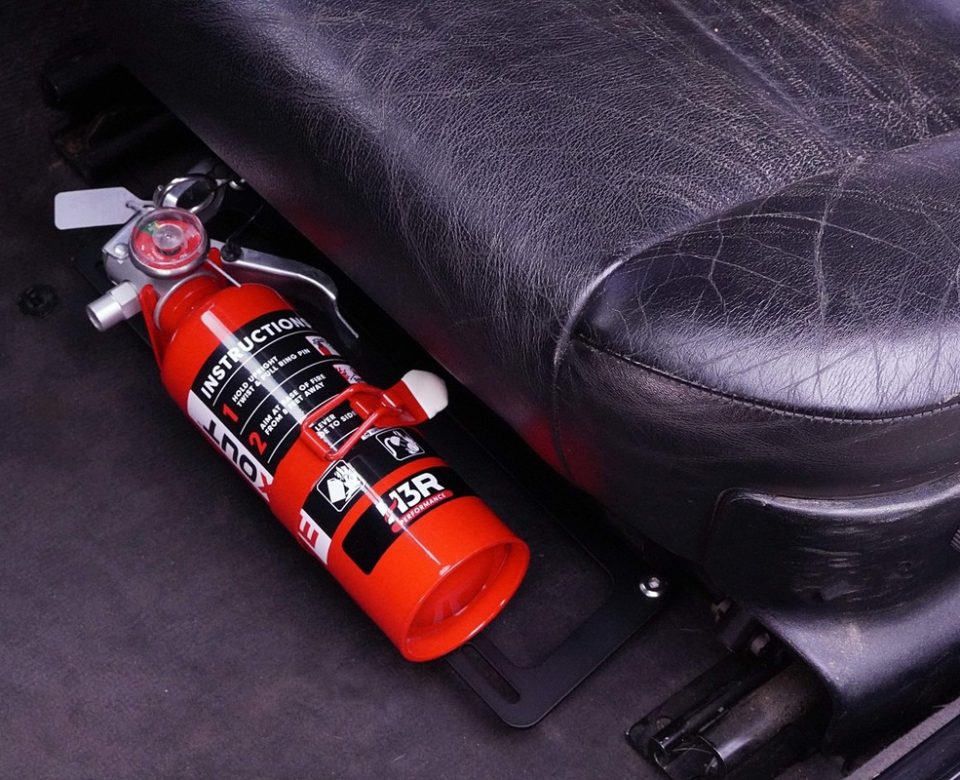
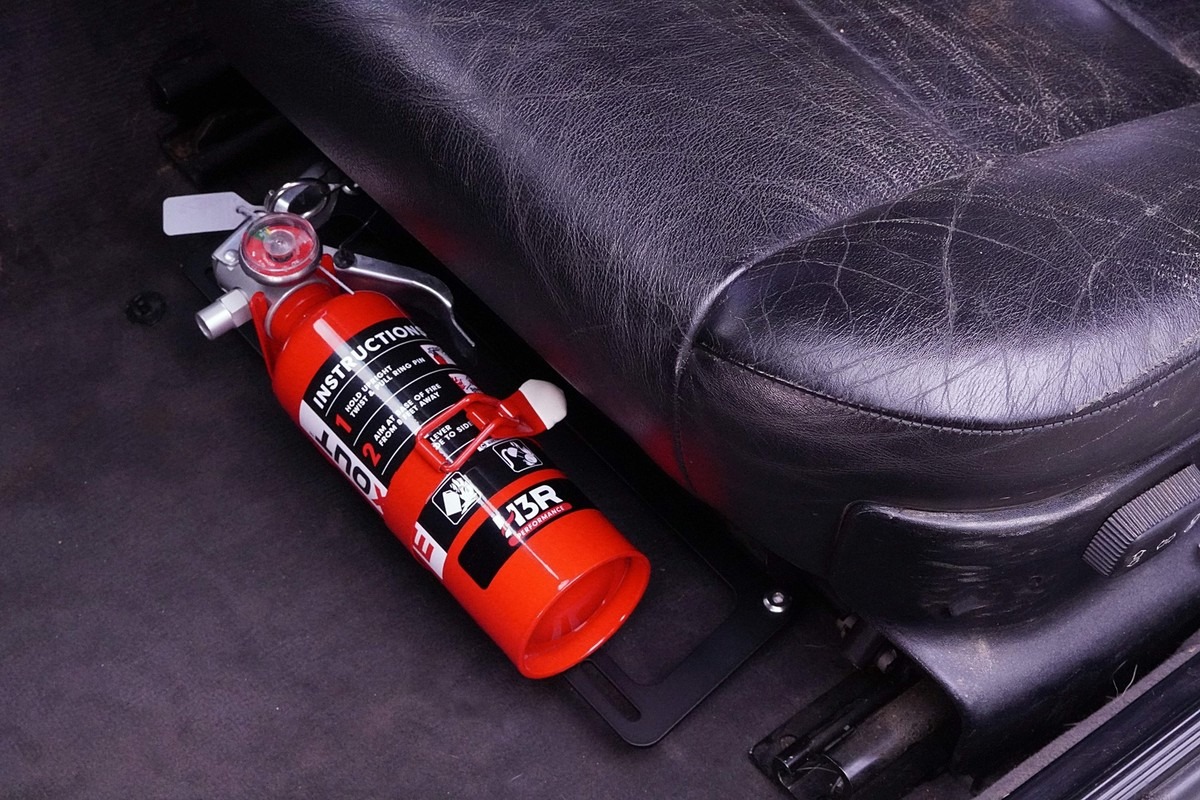
Strategic spots make fire extinguishers lifesavers: near doors, hallways, machines, and stockrooms. Hang at waist-to-chest height, 3.5 to 5 feet, for all adults to grab fast. Bright red signs scream “FIRE EXTINGUISHER” from afar, and clear 36-inch paths prevent blockages. In parking lots or fleets, a compact car fire extinguisher guards against dashboard or engine flares.
Building a Full Safety Plan
Tie fire extinguishers into the big picture, map them along escape routes, sync with alarms and sprinklers for layered defense. Name fire wardens to guide evacuations, stock first-aid kits nearby, and drill the plan quarterly. Written protocols turn panic into precision.
Essential Employee Training
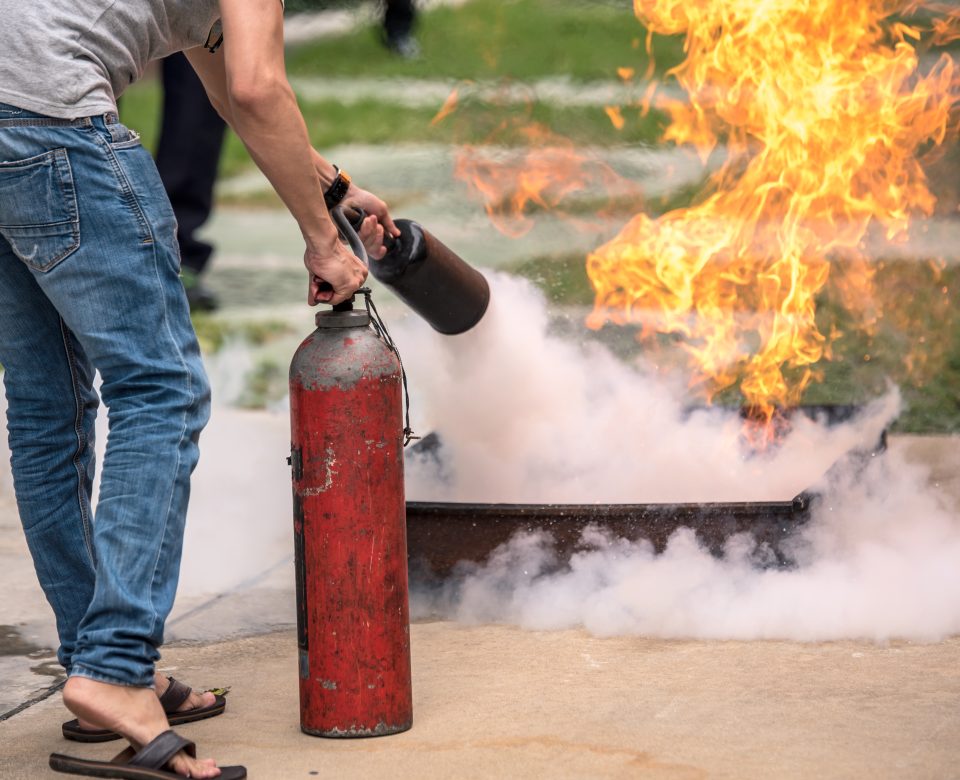
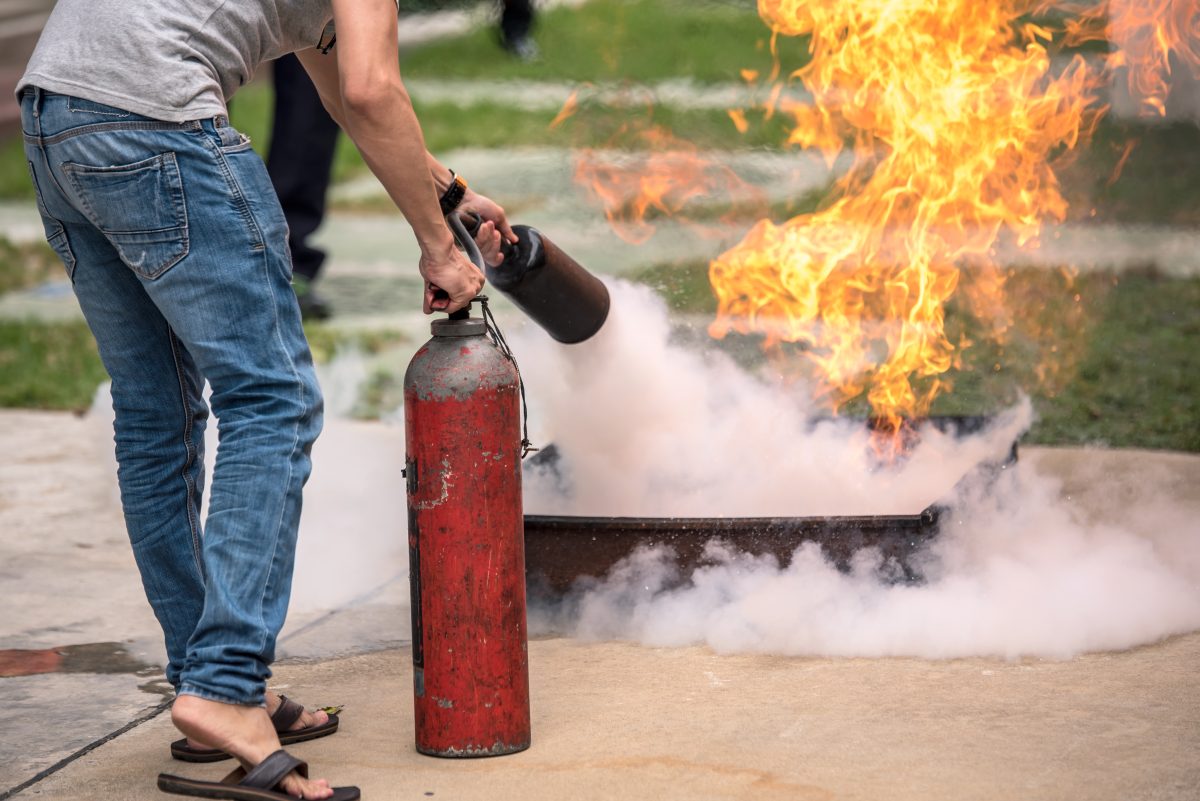
Panic freezes the untrained, so empower your team early. Master the PASS technique: Pull the pin firmly, Aim low at the fire’s base, Squeeze the handle steadily, Sweep nozzle side-to-side while backing up. Hands-on demos beat videos, run live-fire drills yearly, quiz new staff on day one, and refresh veterans often. Confidence saves seconds that save lives.
Inspection and Maintenance Guide
Neglect kills reliability, so inspect monthly: scan for dents, rust, or leaks; eye the pressure gauge (green zone good); test the pin and hose. Pros service yearly, swapping seals and recharging; every 5-12 years, hydrostatic tests prove cylinder strength. Tag and log each check, digital apps simplify audits and prove diligence.
Complementary Fire Tools
Layer defenses with fire blankets that smother benchtop or curtain blazes by cutting air. Fire buckets, filled with sand or water, quench minor spills simply. Enter the fire extinguisher ball, or fire ball, a throwable orb that senses 70°C heat, bursts, and blankets 3-10 square meters in suppressant dust for 30 minutes. Perfect for lofts, vehicles, or kitchens.
Pricing Insights in Pakistan
Affordable options abound: fire extinguisher price kicks off at Rs. 1,400 for a 1kg dry chemical unit, climbing to Rs. 3,500 for 6kg models or Rs. 6,700+ for CO2 fire extinguishers. Fire extinguisher ball price in Pakistan hovers at Rs. 2,300-3,200, with fire ball price in Pakistan matching for easy installs. These smart buys slash repair bills and downtime.
Cost-Benefit Reality
A single fire can torch lakhs in damages, lost stock, and wages; extinguishers cost pennies by comparison. Insurers reward equipped sites with lower premiums, and swift control keeps doors open. View them as insurance against catastrophe.
Steering Clear of Mistakes
Traps abound: stocking just one extinguisher type ignores varied risks; wall-mounting behind boxes blocks grabs; ignoring yellowed tags means duds in crises. Skipping drills leaves heroes hesitant. Audit routinely to stay sharp.
Cultivating Safety Culture
Bosses set the tone, tour sites weekly, praise spotters, and evolve plans with feedback. Safety posters, toolbox talks, and rewards spark ownership. A watchful workplace thrives.
FAQs
Which gas is used in fire extinguishers?
Mostly CO2, which expands to smother flames by robbing oxygen.
How does a fire extinguisher ball work?
Heat above 70°C triggers an explosion, dispersing powder widely and fast.
Do I need a car fire extinguisher?
Absolutely, for engine bays or cargo, where seconds count on roads.
What’s a wet chemical fire extinguisher best for?
Kitchen grease fires, turning oils into soap-like barriers.
How often check fire extinguishers?
Monthly visuals, yearly pro service, never skip the gauge.
Fire blanket vs. extinguisher?
Blankets for small, contained spots; extinguishers for reach.
Fire bucket uses?
Sand for metals/liquids, water for paper, simple backups.