World’s Smallest Fire Extinguishers Revealed
January 15, 2026
Lessons from the Gul Plaza Incident: Why Fire Safety Can Never Be Ignored
January 22, 2026
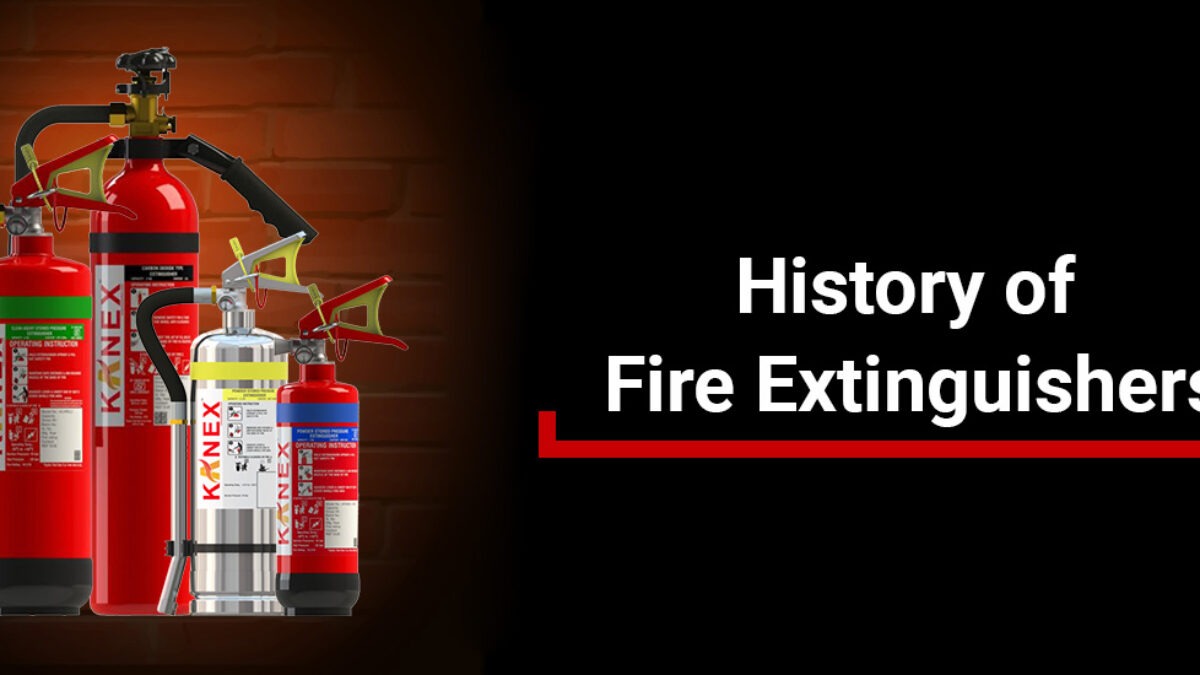
Fire extinguishers have saved countless lives and properties since their early days. These handy devices fight flames before they spread, making them a must-have in homes, cars, and offices. From risky gunpowder experiments in 1723 to today’s smart, eco-friendly models, the fire extinguisher story shows how innovation keeps us safer. Let’s trace this journey and see why understanding fire extinguisher types, like the CO2 fire extinguisher or wet chemical fire extinguisher, matters today.
The First Fire Extinguisher (1723): A Risky Start
In 1723, English inventor Ambrose Godfrey created the world’s first fire extinguisher. It was a cask filled with liquid, like water or a fire-fighting solution, sealed with gunpowder. When lit, the powder exploded, spraying the liquid on flames.
This fire extinguisher cylinder was bulky and dangerous. The gunpowder could backfire, causing more harm than good. Still, it marked 1723 as a key date in fire extinguisher history, proving people could fight fires portably instead of just watching them burn.
19th Century Innovations: Portable and Chemical Power
By the early 1800s, inventors made fire extinguishers safer and easier to use.
Captain George William Manby’s Breakthrough (1818)
In 1818, Captain Manby designed a portable fire extinguisher using compressed air. It mixed water with potassium carbonate to create a foam that smothered fires. This was the first truly practical device, no explosion needed. Factories and ships quickly adopted it, boosting public safety.
Soda-Acid Extinguishers Take Over (Late 1800s)
Soon after, soda-acid fire extinguishers became popular. They worked by mixing a baking soda solution with sulfuric acid, producing CO2 fire extinguisher gas to push out the mix. These were common in homes and industries, but had issues like corrosive spills, leading to their phase-out.
Early 20th Century: Cars and Chemicals Change the Game
The 1900s brought fire extinguishers to everyday life, especially with cars.
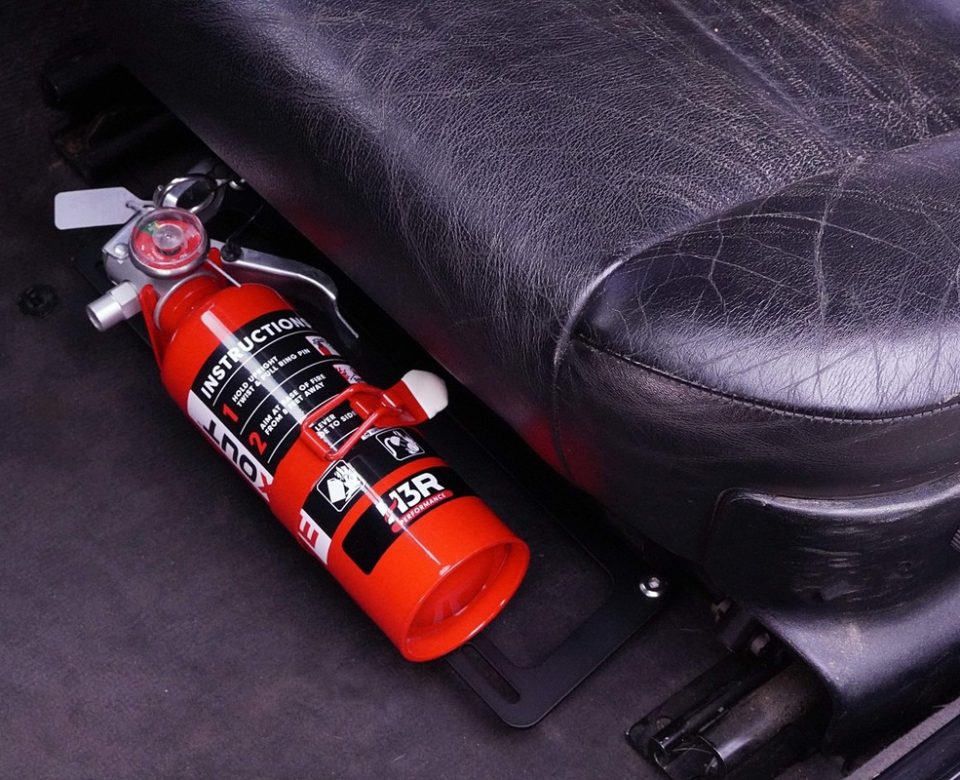
Carbon tetrachloride models were hits for car fire extinguishers. They tackled liquid fires well but released toxic fumes, harming users and the environment. World Wars sped up progress, militaries needed quick tools, pushing designs for ships, planes, and bases.
Mid-20th Century: Modern Agents and Standards (1950s–1970s)
Post-war, fire extinguishers got smarter.
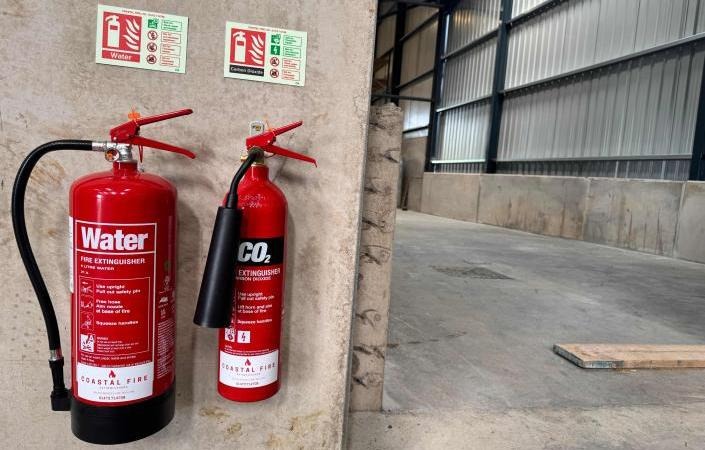
- CO2 fire extinguishers arrived, using carbon dioxide, the main gas used in fire extinguisher models, to displace oxygen without residue. Great for electrical fires.
- Dry chemical powders joined in, handling multiple fire types.
- Fires got classified: Class A (wood/paper), B (liquids), C (electrical), D (metals), K (kitchen oils), leading to tools like wet chemical fire extinguishers for grease fires.
Regulations from groups like NFPA standardized everything, making the fire extinguisher price more affordable as production grew.
Late 20th Century: Safer, Multi-Purpose Designs
Toxic chemicals faded out. ABC multipurpose fire extinguishers became stars, fighting A, B, and C fires with one canister. Better materials meant lighter fire extinguisher cylinders, easier grips, and reliable pressure.
Fire extinguisher gas options expanded too, with cleaner agents replacing old dangers.
21st Century Fire Extinguishers: Smart and Green
Today’s fire extinguishers are high-tech and eco-friendly.
Clean agents like FM-200 or Novec 1230 leave no mess. IoT sensors in smart models alert your phone if pressure drops. Compact designs fit anywhere, from offices to car fire extinguishers.
Innovations like the fire extinguisher ball, a throwable fireball that bursts to release suppressant, are game-changers. In Pakistan, fire extinguisher balls start low, around PKR 5,000–10,000, making them budget-friendly for homes.
How Regulations Shaped Fire Extinguisher Evolution
Governments and groups like NFPA and ISO set rules for inspections, maintenance, and training. Workplaces now need certified fire extinguishers, fire blankets, fire buckets, and drills. This keeps fire extinguisher price in check while ensuring safety, check local shops for compliant options.
Fire Extinguisher History Timeline
Here’s a quick visual of fire extinguisher milestones:
| Year | Milestone | Key Feature |
| 1723 | First extinguisher by Godfrey | Gunpowder-powered cask |
| 1818 | Manby’s portable model | Compressed air and chemicals |
| Late 1800s | Soda-acid extinguishers | CO2 gas reaction |
| Early 1900s | Carbon tetrachloride | For cars and liquids |
| 1950s–70s | CO2 and dry chemical | Fire class system |
| 2000s+ | Smart extinguishers, fireballs | IoT, eco-agents, automatics |
The Future of Fire Extinguishers
AI will detect fires early, triggering automated systems. Sustainability drives non-toxic gas used in fire extinguisher options. Expect drone-delivered fire extinguisher balls or self-charging car fire extinguishers. Fireball price in Pakistan will drop as tech spreads, keeping safety accessible.
Conclusion
From 1723 explosive cask to today’s CO2 fire extinguisher and fire extinguisher ball, these tools evolved from experiments to essentials. Knowing your wet chemical fire extinguisher or fire blanket can make all the difference.
Ready to stay safe? Contact Haseen Habib today for top-quality fire extinguishers at competitive prices. We offer fire extinguisher balls (check fire extinguisher ball price in Pakistan), CO2 fire extinguishers, car fire extinguishers, and more, delivered fast across Pakistan. Visit our site or call now for a free safety check!
FAQs
Who invented the first fire extinguisher?
Ambrose Godfrey in 1723.
What fire extinguisher types are no longer used?
Soda-acid and carbon tetrachloride due to safety risks.
How have fire extinguishers become safer?
Through non-toxic gases, better materials, and smart tech.
What is the most common fire extinguisher today?
ABC dry chemical for versatile home and office use.