What Services Do Fire Fighting Equipment Companies Provide?
April 25, 2026
How to Choose a Reliable Fire Fighting System Supplier in Pakistan?
April 28, 2026
Fire safety is one of the most important parts of any building, whether it is a home, office, factory, or commercial space. Fire can spread very quickly, and in many cases, people do not get enough time to respond. This is why modern safety systems are used to reduce risk and protect lives and property. One of the most effective solutions today is automatic fire safety equipment. This system is designed to detect fire at an early stage and respond immediately without human involvement. In growing cities and industrial areas of Pakistan, such systems are becoming essential for reliable fire protection and safety management.
What is Automatic Fire Safety Equipment?
Automatic fire safety equipment refers to a complete fire protection system that works on its own when it detects any sign of fire, smoke, or unusual heat. Unlike manual systems where a person has to activate alarms or fire control tools, this system is fully automated and responds within seconds.
The main purpose of this system is to identify fire risks as early as possible and take immediate action to prevent the fire from spreading. It is designed to reduce damage, protect human lives, and give people enough time to safely evacuate the building.
This type of system is commonly installed in places where fire risk is higher or where large groups of people are present, such as commercial buildings, factories, warehouses, hospitals, and shopping centers.
How Does Automatic Fire Safety Equipment Work?
The working of automatic fire safety equipment is based on a step-by-step process that allows it to detect, alert, and control fire in a very short time.
1. Fire Detection System
The first step is detection, which is done using different types of sensors installed throughout the building. These include smoke detectors, heat detectors, and flame sensors. These devices continuously monitor the surrounding environment without stopping. When they detect smoke particles, a sudden rise in temperature, or direct flame activity, they immediately send a signal to the central control system. This early detection is important because it allows the system to react before the fire grows larger.
2. Alarm and Warning Activation
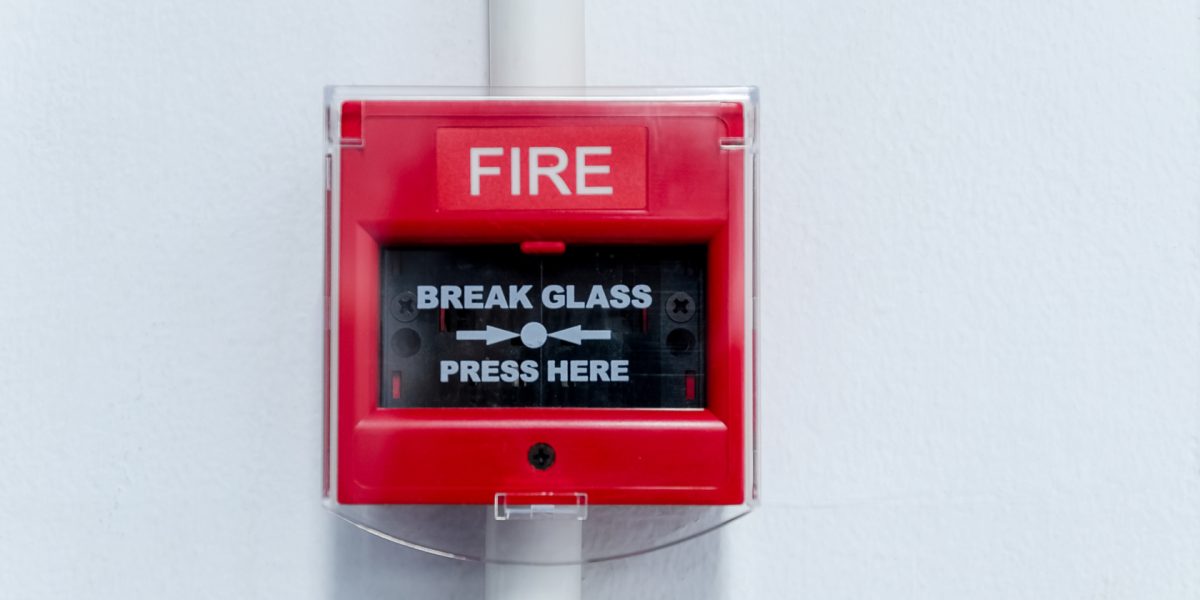
Once the system receives a signal from the detectors, it immediately activates alarms and warning devices installed in the building. These alarms produce loud sounds and sometimes visual alerts such as flashing lights, which help people understand that there is a fire emergency. The purpose of this step is to ensure that everyone inside the building becomes aware of the danger without delay so they can start evacuating in an organized and safe manner.
3. Automatic Fire Suppression
After warning people, the system starts controlling the fire automatically using built-in suppression tools. Depending on the type of installation, this may include water sprinklers, gas-based fire suppression systems, or foam systems. Sprinklers are activated when they detect high heat and release water directly over the affected area. Gas systems are used in sensitive areas like server rooms where water cannot be used. This automatic response helps control the fire at an early stage and prevents it from spreading to other parts of the building.
4. Fire Hydrant System Support
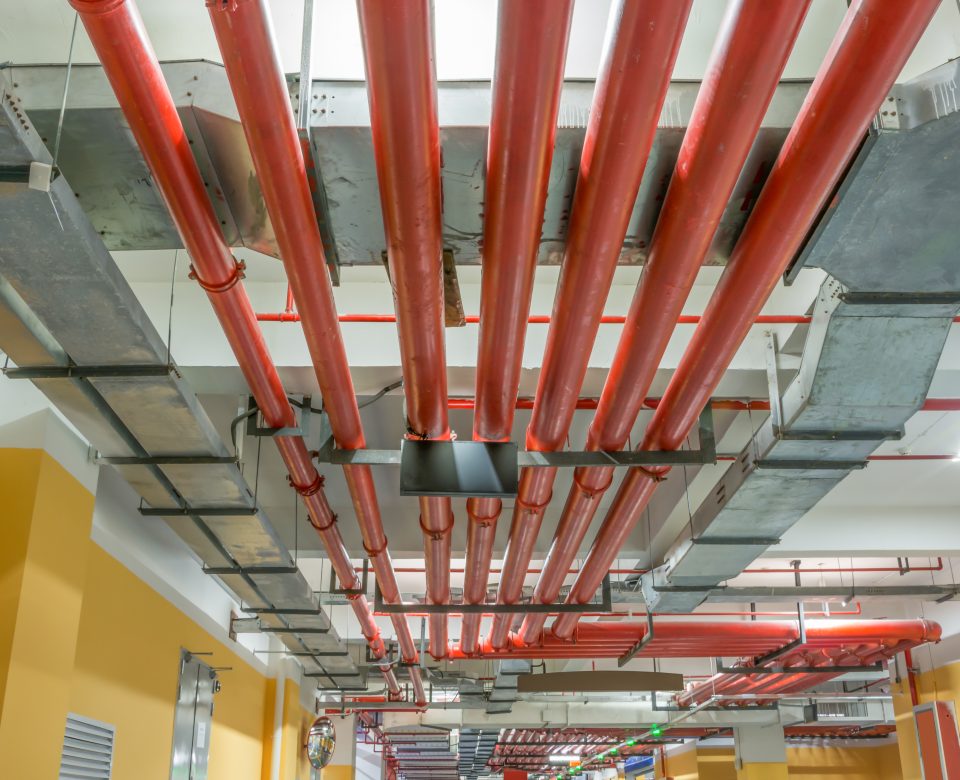
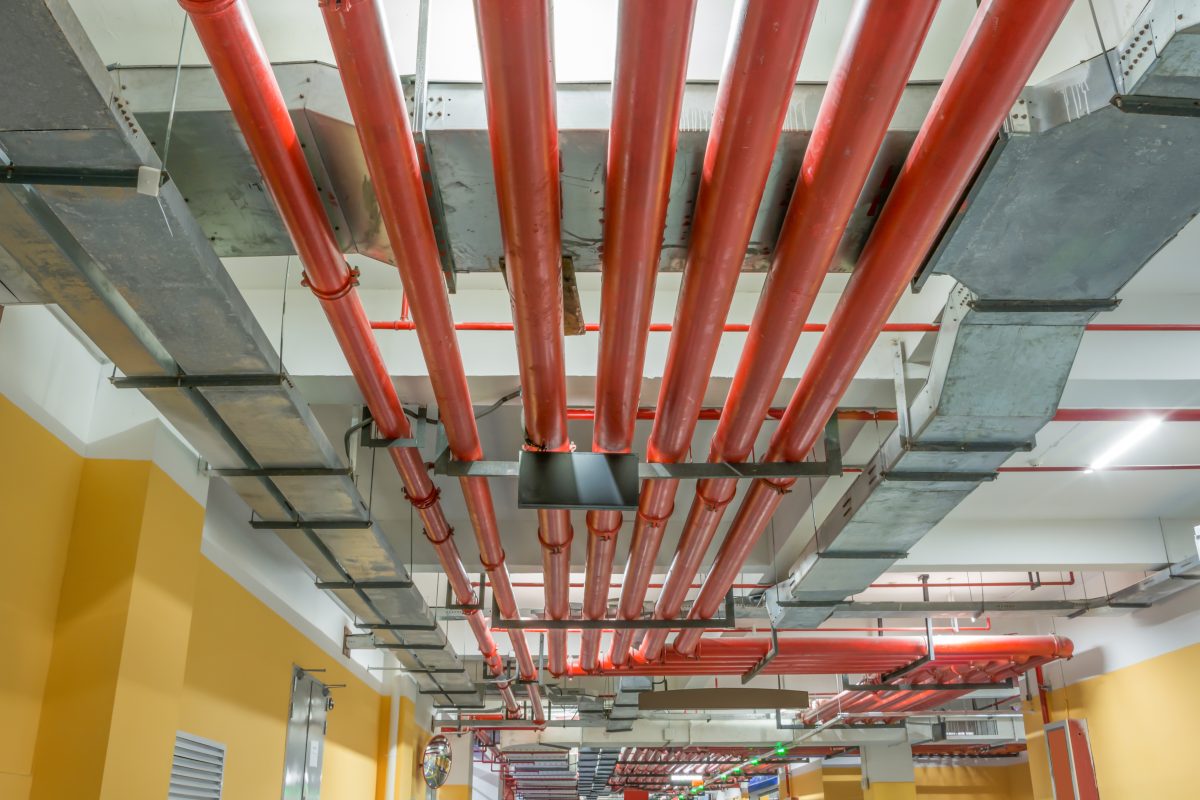
In larger buildings and industrial facilities, a fire hydrant system in Pakistan plays a major role in fire protection. This system consists of a network of pipes, water storage tanks, pumps, and hydrant valves that provide high-pressure water supply during emergencies. It allows trained personnel or firefighters to quickly access water and control large-scale fires. When combined with automatic fire safety equipment, it creates a stronger and more reliable fire protection setup for high-risk environments.
5. Complete Fire Control Process
After activation, the system continues working until the fire is fully controlled. It maintains water flow or suppression activity as needed while sensors keep monitoring the situation. Once the fire is extinguished and conditions return to normal, the system either shuts down automatically or signals for manual reset, depending on its design. This continuous operation ensures that there is no chance of fire re-ignition.
Role of Fire Safety Experts
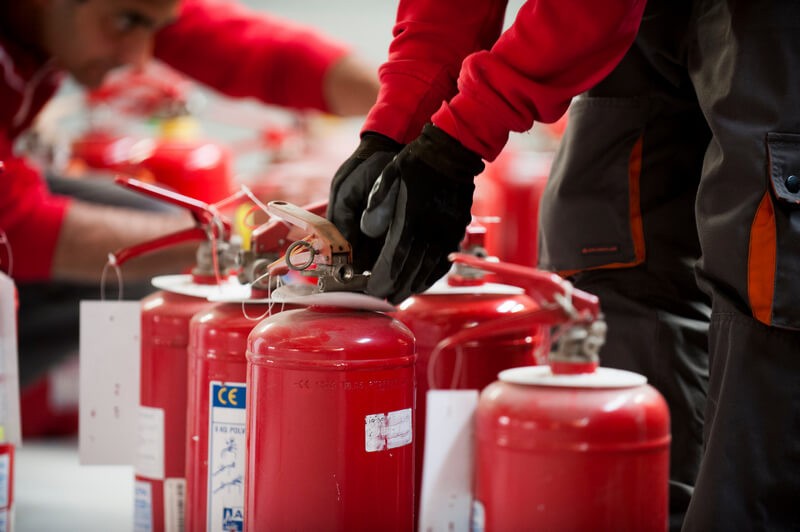
Installing fire safety systems requires proper planning and technical knowledge. A professional fire fighting system supplier is responsible for designing and installing the system according to building requirements and safety standards. They ensure that all components, such as detectors, sprinklers, pumps, and hydrants, are correctly placed and fully functional. Regular maintenance and system testing are also important services provided by these experts to make sure the system performs reliably during emergencies.
Conclusion
Automatic fire safety equipment is a critical part of modern building safety because it provides fast and reliable protection without human intervention. It detects fire in its early stage, activates alarms to warn people, and starts controlling the fire immediately through sprinklers or suppression systems. In larger facilities, it works alongside systems like the fire hydrant system in Pakistan to manage more serious fire situations. With proper installation and support from a professional fire fighting system supplier, these systems significantly reduce risk, protect valuable assets, and most importantly save human lives by responding quickly and effectively in emergency situations.