Fire Extinguisher History: From 1723 to Today
January 17, 2026
Fire Extinguisher Fails: Lessons from Viral Videos
January 27, 2026
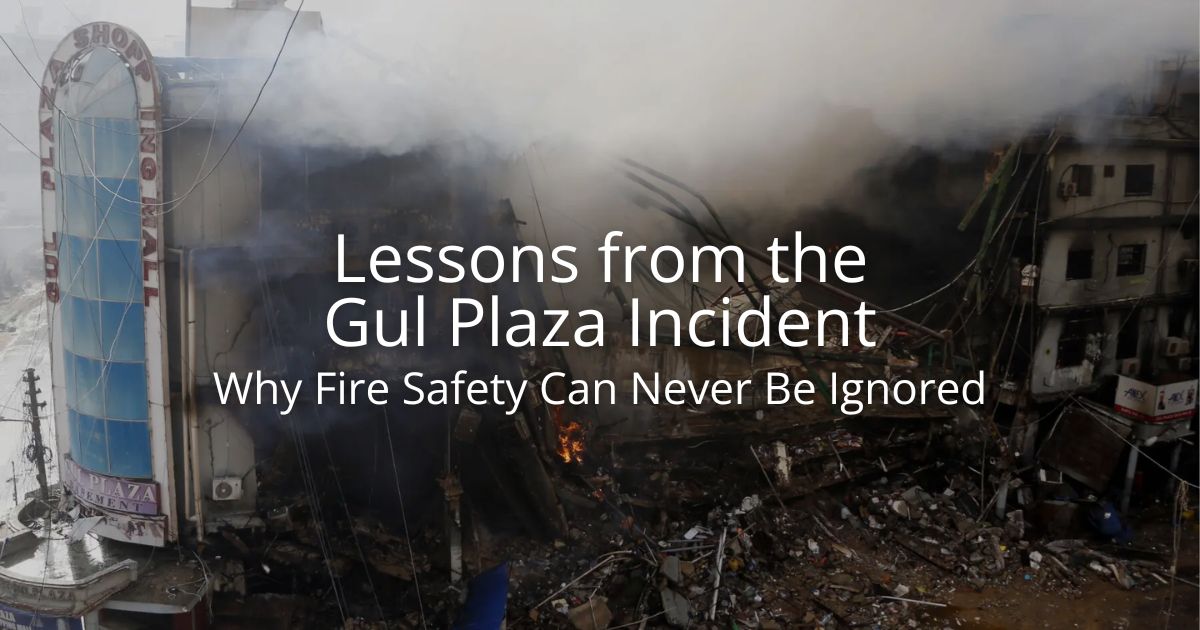
On the night of January 17, 2026, at 10:36 PM, Karachi witnessed one of its worst tragedies in over a decade. A massive fire broke out at Gul Plaza Shopping Centre on MA Jinnah Road in Saddar, a bustling commercial hub where over 1,200 shops sold everything from garments and cosmetics to electronics and household goods.
What started as a spark quickly turned into an inferno. The fire spread with terrifying speed through the multi-storey building, consuming shop after shop, floor after floor. Thick black smoke filled the air. People inside panicked as the flames grew stronger. Some tried to escape through narrow staircases, others made desperate phone calls to their loved ones. A few jumped from windows in a bid to survive.
The fire raged for more than 36 hours. By the time it was finally brought under control, 61 precious lives had been lost. Dozens were injured. Families waited outside the building for days, clutching their phones, praying for news about their missing sons, daughters, husbands, and wives. Many never came home.
One woman stood outside the burning plaza, her eyes fixed on the smoke, whispering: “Just bring him out, please. I have a three-year-old child.” A young man watched helplessly as the section where his brother worked collapsed. Rescue workers, including a brave firefighter named Furqan Shoukat, gave their lives trying to save others.
This tragedy was not just a fire. It was a failure of fire safety planning.
Gul Plaza was more than a building; it was a livelihood for thousands of shopkeepers and their families. It was a place where people came to shop for weddings, to browse for gifts, to build their businesses. In one night, all of it was gone. Economic losses exceeded Rs 100 billion. But no amount of money can replace the lives that were lost.
The question we must now ask ourselves is: Could this have been prevented?
What Went Wrong at Gul Plaza?
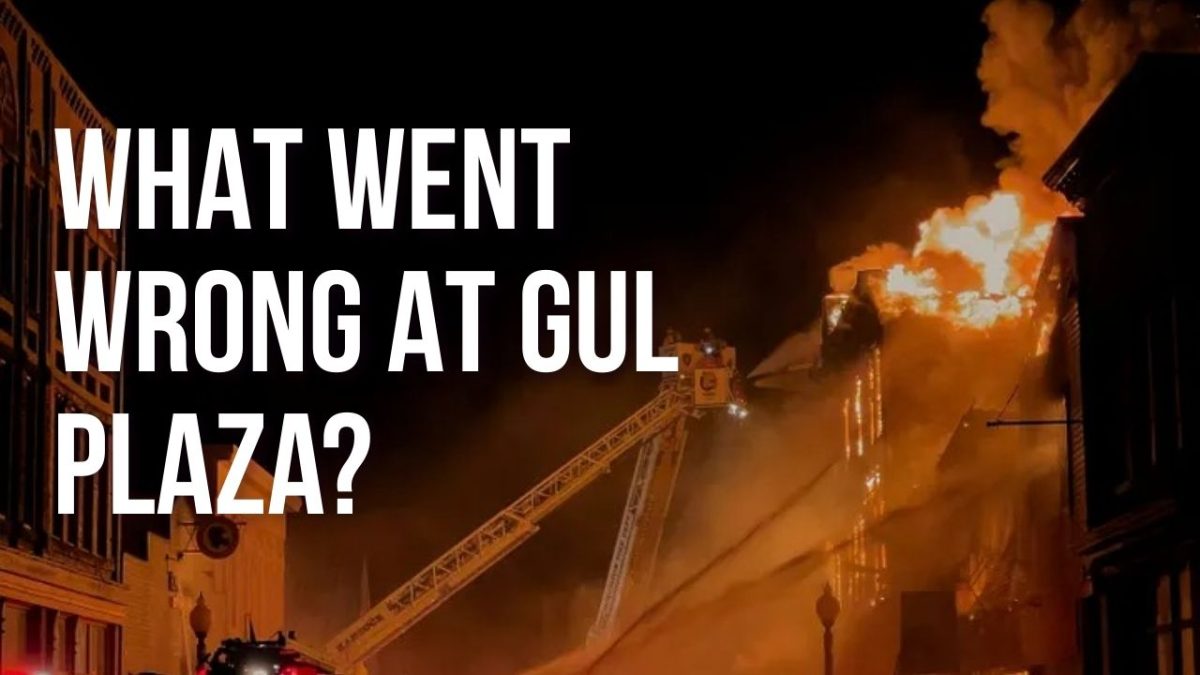
As investigations continue, one thing has become painfully clear: basic fire safety systems were either missing or inadequate at Gul Plaza. Let’s look at what went wrong:
Absence of Proper Fire Extinguishing Equipment
Reports suggest that the plaza lacked sufficient fire extinguisher cylinders, or they were not placed in easily accessible locations. In a building housing 1,200 shops filled with highly flammable materials, clothing, plastics, cosmetics, and chemicals, this was a disaster waiting to happen. A single fire extinguisher cylinder, properly placed and regularly maintained, could have stopped the fire in its early stages.
No Quick-Response Fire Safety Tools
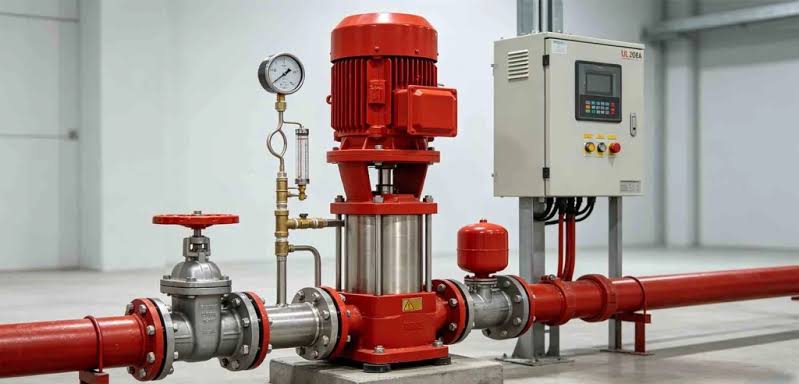
There were no automatic fire suppression systems in place, such as sprinkler systems, fire suppression cylinders, or ceiling-mounted fire extinguishing units that could have activated immediately when the flames started. Modern fire safety technology, including automatic sprinklers, clean agent suppression systems, and smoke-activated extinguishers, can provide crucial seconds of fire control while people evacuate. However, such essential safety tools were nowhere to be found.
Lack of Basic Fire Fighting Resources
Traditional but effective tools like fire buckets, fire blankets, and sand buckets were missing. These simple devices have saved countless lives in Pakistan’s history. A fire blanket can smother small fires instantly, especially in kitchens or shops dealing with oil and electrical goods. Yet, they were not available when needed most.
Inadequate Fire Detection and Alarm Systems
There was no early warning system to alert people the moment the fire started. Without fire alarms, smoke detectors, or emergency sirens, precious minutes were lost. People only realized there was a fire when they saw smoke or flames; by then, it was already too late for many.
Missing Emergency Preparedness
Most importantly, there was no emergency evacuation plan. Shopkeepers and visitors had never been trained on what to do in case of fire. There were no regular fire drills, no clear exit routes, and no understanding of which gas is used in a fire extinguisher or how to operate one. Panic and confusion turned a controllable situation into a deadly catastrophe.
Building Design and Safety Violations
Gul Plaza was originally approved for a basement, ground floor, and three upper floors, with proper emergency exits and staircases. However, over the years, the basement, originally meant for parking, was converted into shops. Exit routes became blocked. The building was overcrowded with combustible materials. When the fire broke out, people found themselves trapped with no way out.
This was not an act of fate. This was preventable.
Why Fire Safety Systems Are Critical in Pakistan
The Gul Plaza fire is not an isolated incident. It echoes the 2012 Baldia factory fire that killed over 250 people. It follows the 2023 shopping mall fire that claimed 10 lives. Across Pakistan, similar tragedies keep happening because we continue to ignore fire safety.
Pakistan’s Growing Fire Safety Crisis
According to experts, approximately 70% of residential, commercial, and industrial buildings in Karachi alone lack adequate fire safety systems. For a city of over 20 million people, there are only 35 fire stations and 57 fire trucks, a shockingly inadequate number for a metropolis of this size.
Markets, shopping plazas, factories, warehouses, and office buildings continue to operate without proper fire safety equipment. Many building owners see fire safety as an unnecessary expense rather than a life-saving necessity.
Why Every Space Needs Fire Protection
- Markets and Shopping Plazas: These spaces are filled with highly flammable materials, fabrics, plastics, electronics, and chemicals. A small electrical short circuit can turn into a massive fire within minutes if not controlled immediately.
- Factories and Warehouses: Industrial facilities often store large quantities of raw materials, chemicals, and finished goods. Without proper fire suppression systems, a single spark can cause catastrophic losses, not just in property, but in human lives.
- Offices and Commercial Buildings: Modern offices use extensive electrical equipment, air conditioning systems, and cables, all potential fire hazards. Employees working in such spaces deserve the assurance that their workplace is protected.
- Homes and Residential Buildings: Kitchens, electrical appliances, gas cylinders, and heating systems make homes vulnerable to fire. Simple tools like a fire blanket or a small fire extinguisher cylinder can save your family.
- Vehicles: Car fires are more common than people realize. Electrical faults, engine overheating, or accidents can cause vehicles to catch fire. A car fire extinguisher kept in your vehicle can be the difference between a minor incident and a tragedy.
The Cost of Neglecting Fire Safety
Many people hesitate to invest in fire safety equipment because of the fire extinguisher price or the cost of other systems. But consider this: What is the price of a human life? What is the value of your livelihood, your shop, your factory?
The Gul Plaza fire caused over Rs 100 billion in economic losses. Insurance cannot bring back lost lives. Compensation cannot restore years of hard work. Prevention is not just cheaper than loss; it is the only responsible choice.
Relying on luck is not a fire safety plan. Fires do not announce their arrival. They do not wait for you to be prepared. When disaster strikes, it is already too late to think about what you should have done.
Understanding Fire Safety Equipment
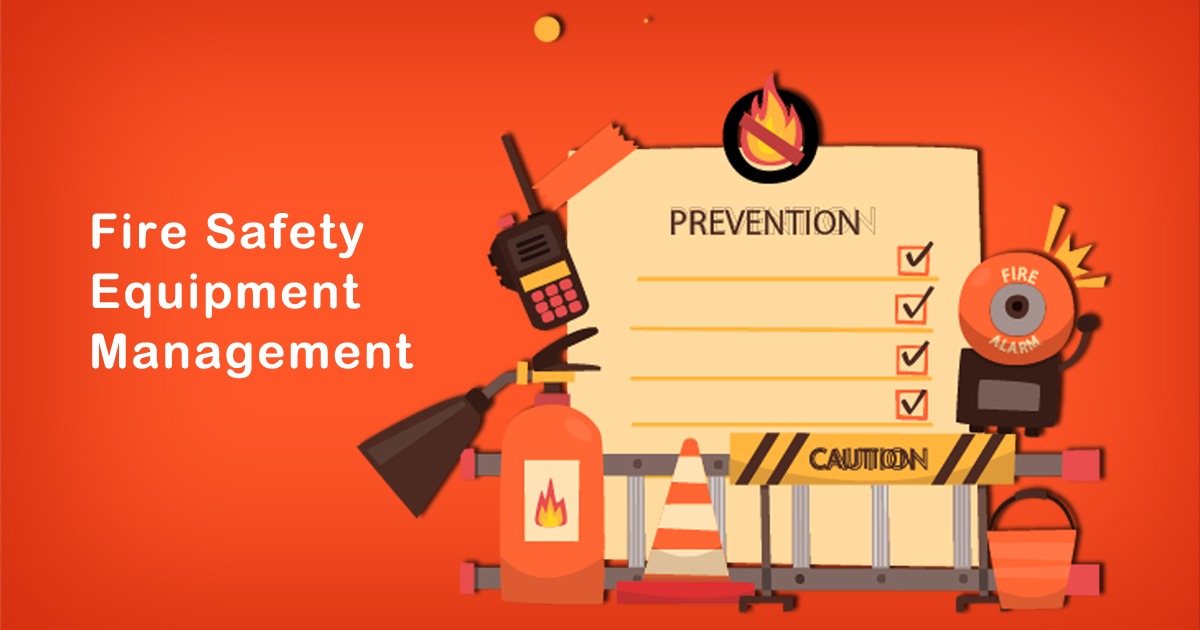
Fire safety is not complicated. It does not require massive investments or advanced technical knowledge. What it requires is awareness, commitment, and the right equipment. Let’s understand the essential fire safety tools that every building, shop, and vehicle should have.
Fire Extinguisher Cylinder – Your First Line of Defense
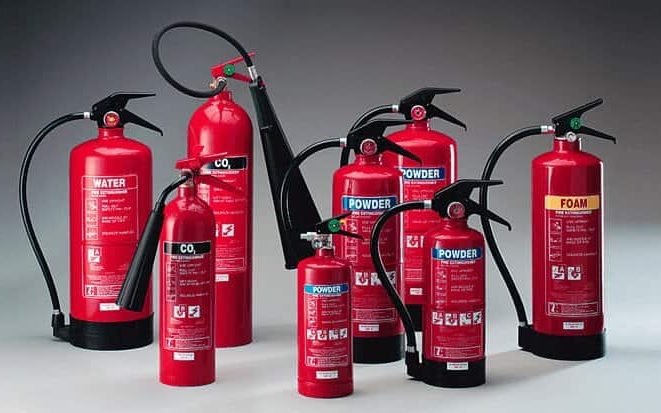
A fire extinguisher cylinder is the most common and effective tool for controlling small to medium fires. It works by releasing a fire-suppressing agent that cuts off the fire’s oxygen supply or cools the burning material.
Types of Fire Extinguishers:
- ABC Powder Extinguishers: Suitable for most common fires, wood, paper, cloth, electrical equipment, and flammable liquids.
- CO2 Fire Extinguisher: Ideal for electrical fires and areas with sensitive equipment like computer rooms and control panels. CO2 does not leave residue, making it perfect for protecting expensive machinery.
- Foam Extinguishers: Best for liquid fires, such as petrol, oil, and paint.
- Wet Chemical Fire Extinguisher: Specially designed for kitchen fires involving cooking oils and fats.
Every shop, office, and factory should have at least one fire extinguisher placed in a visible, accessible location. Staff should be trained on how to use it. Remember: the fire extinguisher price is nothing compared to the value of what it protects.
Which Gas is Used in a Fire Extinguisher?
This is an important question because using the wrong gas can be ineffective or even dangerous. The most common gases used in fire extinguishers are:
- Carbon Dioxide (CO2): Used in CO2 fire extinguishers, it is effective for electrical and liquid fires. CO2 is non-toxic, leaves no residue, and does not conduct electricity.
- Nitrogen: Often used in certain specialized extinguishers.
- Dry Chemical Powder: While not a gas, ABC powder extinguishers use a chemical agent that smothers flames.
Understanding the gas used in a fire extinguisher helps you choose the right one for your needs. For example, a CO2 fire extinguisher is perfect for offices and shops with computers, while a wet chemical fire extinguisher is essential for restaurant kitchens.
Car Fire Extinguisher – Protect Your Vehicle and Family
Car fires can happen due to electrical faults, fuel leaks, or accidents. A car fire extinguisher is a compact, easy-to-use device that every vehicle owner should keep in their car.
Why You Need One:
- A car fire can spread rapidly, engulfing the entire vehicle in minutes.
- A small extinguisher can stop the fire before it becomes uncontrollable.
- It can save your life and the lives of your passengers.
Where to Keep It: Place your car fire extinguisher in an easily accessible spot, under the driver’s seat or in the glove compartment. Make sure all family members know where it is and how to use it.
Fire Blanket – Fast Response for Small Fires
A fire blanket is a simple but highly effective tool. Made from fire-resistant material, it is used to smother small fires or wrap around a person whose clothes have caught fire.
How to Use It:
- Pull the blanket from its case.
- Hold it in front of you as a shield.
- Place it over the fire, covering it completely to cut off oxygen.
Where It’s Essential:
- Kitchens: Perfect for oil and grease fires that should never be put out with water.
- Workshops: Useful for small fires involving clothing or fabric.
- Homes: Every household should have at least one fire blanket.
A fire blanket can be the difference between a minor kitchen accident and a devastating house fire.
Fire Bucket – Traditional but Effective
The fire bucket is one of the oldest fire safety tools, and it remains relevant today. Filled with water or sand, fire buckets provide a quick way to tackle small fires, especially in outdoor settings or industrial areas.
Where to Use Them:
- Factories and warehouses
- Construction sites
- Outdoor markets and food stalls
While modern technology is important, traditional tools like fire buckets should not be overlooked. They are inexpensive, require no maintenance, and can be lifesavers.
Prevention Is Cheaper Than Loss
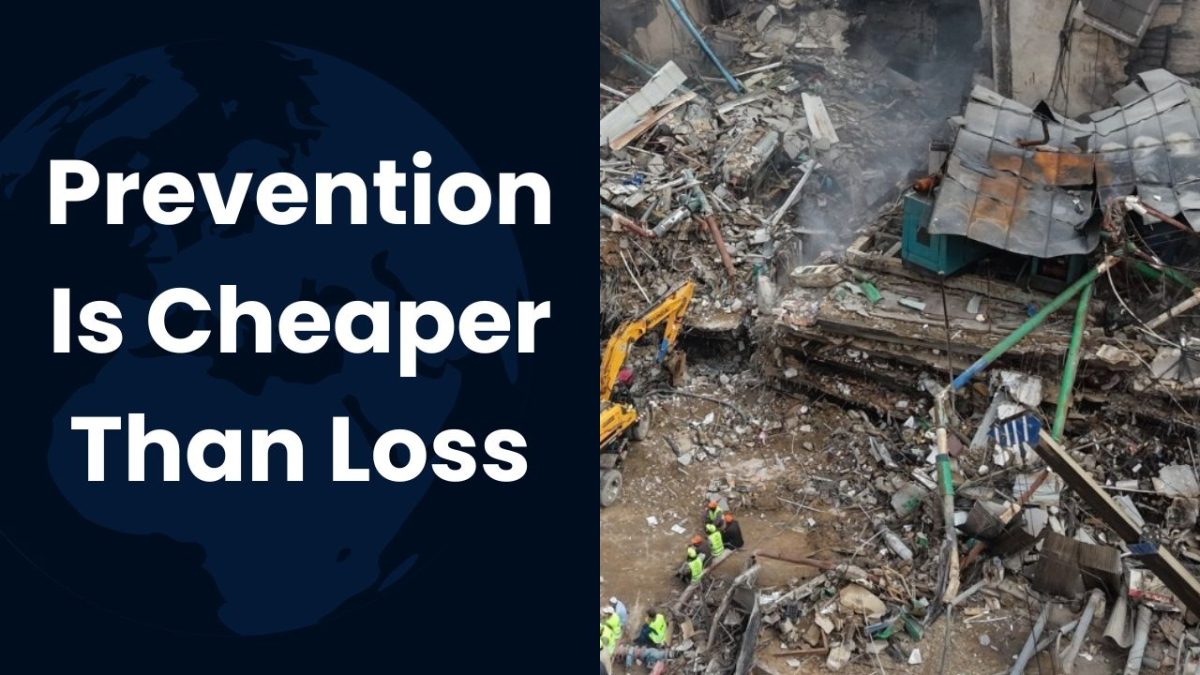
Let’s talk about costs. Many business owners, shopkeepers, and homeowners avoid investing in fire safety because they see it as an unnecessary expense. But let’s do a simple comparison:
The Fire Extinguisher Price vs. The Cost of a Fire:
- A good quality fire extinguisher costs a few thousand rupees.
- Replacing stock, repairing a shop, or rebuilding a factory costs lakhs or even crores.
- The loss of even a single life is immeasurable.
Small Investments, Massive Protection:
- Installing fire alarms, extinguishers, and emergency lighting may seem like an expense today, but it is insurance for tomorrow.
- Training your staff on fire safety, conducting regular fire drills, and maintaining equipment costs far less than dealing with the aftermath of a fire.
The Real Question: Can you afford NOT to invest in fire safety? Gul Plaza shopkeepers learned this lesson too late. Their shops are gone. Their investments are lost. Some lost their lives.
Proactive safety planning is not optional; it is essential.
The Role of Haseen Habib in Fire Safety
For over 60 years, Haseen Habib has been at the forefront of fire safety in Pakistan. As the country’s largest importer, stockist, and installer of firefighting and safety equipment, Haseen Habib has built a reputation based on trust, expertise, and a commitment to protecting lives and property.
Comprehensive Fire Safety Solutions
Haseen Habib provides a complete range of fire safety equipment, including:
- Fire Extinguisher Cylinders: ABC powder, CO2, foam, and wet chemical extinguishers for all types of fires.
- Fire Blankets: Essential for kitchens and workshops.
- Fire Hydrants and Sprinkler Systems: Advanced fire suppression for large buildings.
- Fire Detection Systems: Smoke detectors, heat sensors, and alarm systems.
- Fire Fighting Vehicles and Equipment: For industrial and commercial use.
- Rescue and Safety Equipment: Including breathing apparatus and protective gear.
Training and Awareness
Haseen Habib does not just sell equipment; it empowers people with knowledge. Through its Fire and Safety Training Centre (FASTC), Haseen Habib has been training individuals and organizations on how to fight fires, conduct safety audits, and implement emergency preparedness plans. This training can be the difference between life and death in a fire emergency.
A Vision for a Fire-Safe Pakistan
Haseen Habib’s vision is clear: A Fire Safe and corruption-free Pakistan. This vision is reflected in every product, every service, and every training program. Haseen Habib believes that every life matters, every business deserves protection, and every community has the right to safety.
Trust Built Over Decades
When you choose Haseen Habib, you are not just buying a product. You are investing in six decades of experience, innovation, and reliability. You are choosing a company that has protected countless lives, businesses, and institutions across Pakistan.
Let Gul Plaza Be the Last Lesson
The Gul Plaza fire is a tragedy that will remain in Pakistan’s memory for years to come. The lives lost, the families broken, the livelihoods destroyed, none of it can be undone. But we can honor those who perished by ensuring that such a tragedy never happens again.
Fires do not warn you. They do not wait for you to be ready. They do not give second chances.
But we can prepare. We can protect. We can prevent.
Every shopkeeper, factory owner, building manager, homeowner, and vehicle owner has a responsibility. Fire safety is not the government’s job alone; it is everyone’s responsibility.
A Call for Awareness, Responsibility, and Preparedness
The Gul Plaza fire has taught us a painful lesson: Prevention is not expensive; neglect is.
Let us not wait for another tragedy. Let us not count more bodies. Let us not watch more families cry outside burning buildings. Let us build a Pakistan where every market, every factory, every office, and every home is protected. Where fire safety is not an afterthought but a priority. Where lives are valued more than profits. Take the first step today. Equip yourself. Educate your team. Protect your loved ones. Because when fire strikes, every second counts, and the right equipment can save lives.
Visit haseenhabib.com or contact us to learn more about fire safety equipment, training programs, and comprehensive fire protection systems.
Because safety is not a choice, it is a responsibility.