Knowing When to Replace Your Fire Extinguisher
December 15, 2025
Implementing Fire Extinguishers in Workplace Safety Plans
December 20, 2025
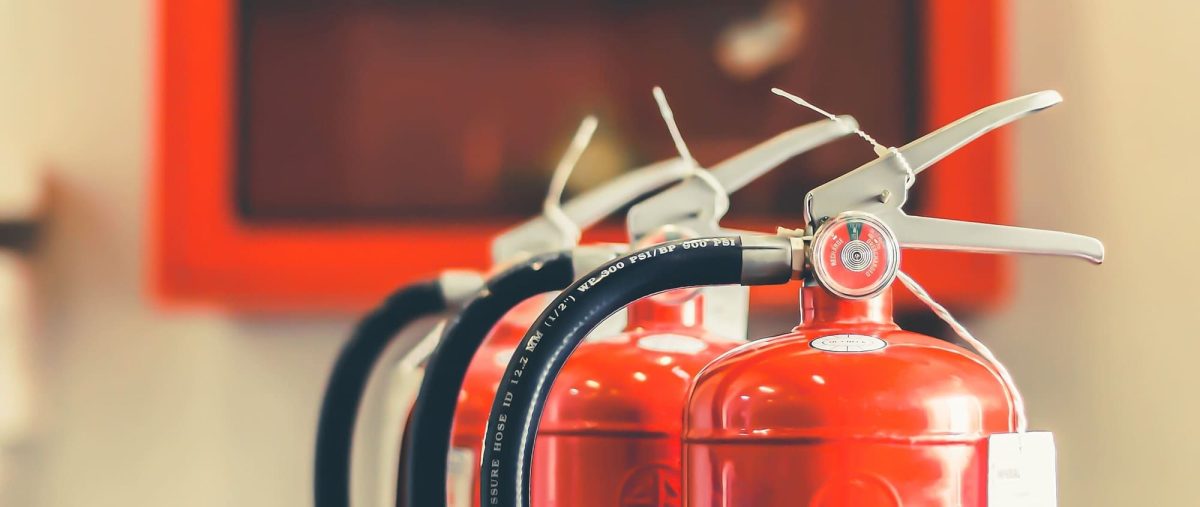
Fire extinguishers are essential safety devices that can help prevent minor fires from turning into devastating disasters. Whether at home, in the workplace, or in public areas, knowing how to handle and use a fire extinguisher safely can protect lives, properties, and the environment. Fires can start unexpectedly, and a fast, confident response increases the chance of completely putting out the fire while reducing damage.
This blog aims to guide you through key fire extinguisher safety precautions, best practices for use, and maintenance tips. It also highlights different types of extinguishers and other fire safety tools such as the fire extinguisher ball, fire blanket, and fire bucket to strengthen your preparedness.
Understanding Fire Extinguishers
Types of Fire Extinguishers
Fire extinguishers come in various types depending on the class of fire they are designed to fight:
- Class A extinguishers target fires involving ordinary combustibles like wood, paper, and cloth.
- Class B extinguishers are intended for flammable liquids and gases such as grease, gasoline, and oil.
- Class C extinguishers are made specifically for electrical fires, where water or some chemicals could cause damage or injury.
- Class D extinguishers handle metal fires, common in industrial settings.
- Class K extinguishers are designed for kitchen fires involving cooking oils and fats.
An ABC fire extinguisher (multi-purpose) covers most fire types, making it a smart choice for general use in homes and offices. Selecting the correct extinguisher is crucial because using the wrong type, like water on an oil fire, can worsen the situation.
How a Fire Extinguisher Works
Inside a fire extinguisher cylinder, there is a pressurized extinguishing agent and a propellant gas. When you operate the extinguisher, pressure forces the agent out through a nozzle to stop the fire. Different agents work in different ways:
- Water and foam cool the fire and remove heat.
- Dry chemical powders disrupt the chemical reactions that allow fire to burn.
- CO₂ fire extinguishers release carbon dioxide gas that displaces oxygen, suffocating the fire.
- Wet chemical fire extinguishers are designed to cool and create a soapy layer over hot oils to suppress kitchen fires safely.
More recent innovations like the fire extinguisher ball or fire ball are small devices filled with extinguishing powder or liquid that activate automatically when exposed to flames. These are particularly useful in hard-to-reach or high-risk areas.
Fire Extinguisher Safety Precautions
Proper Placement and Accessibility
A fire extinguisher is most effective when it is easy to locate and reach quickly. Keep extinguishers:
- Near potential fire sources like the kitchen, garage, and workshop
- By exit points so you always have a clear escape route
- Mounted on walls at a height of 3 to 5 feet to avoid obstruction
- Visible and never behind furniture, curtains, or locked cabinets
Regular Inspection and Maintenance
Fire extinguishers, including car fire extinguishers, require routine checks:
- Inspect the pressure gauge monthly to confirm the needle is in the green zone.
- Check the fire extinguisher cylinder for dents, corrosion, or leaks.
- Ensure that all safety pins and tamper seals are intact.
- Have your extinguisher professionally serviced every year or as recommended.
- Learn the fire extinguisher price and replacement cost so you’re prepared when renewal is needed.
- Dispose of expired extinguishers safely, contacting local waste management or fire authorities.
Safe Handling Precautions
When handling a fire extinguisher, maintain a firm grip and stand at a safe distance (usually 6 to 8 feet). Avoid inhaling any discharge, as some agents like dry chemicals and CO₂ fire extinguisher gas can irritate the respiratory tract. After use, ventilate the area well, especially when using chemical agents.
Best Practices for Using a Fire Extinguisher
The PASS Technique
Every beginner should remember the PASS acronym to operate a fire extinguisher effectively:
- Pull the safety pin to unlock the operating lever.
- Aim the nozzle at the base of the fire, not the flames.
- Squeeze the lever slowly and firmly to release the extinguishing agent.
- Sweep the flame from side to side, gradually approaching the fire until it is completely out.
Evaluating the Situation Before Use
Before attempting to fight a fire, quickly evaluate:
- The size of the fire — if it is spreading fast or too large, evacuate immediately.
- Your exit route — never let the fire block your escape.
- The type of fire — are you using the correct extinguisher for this class of fire?
If unsure or if the fire becomes uncontrollable, evacuate and call emergency services right away.
Common Mistakes to Avoid
- Trying to use the wrong extinguisher, such as water on a grease fire
- Standing too close and risking injury
- Not recharging or replacing an extinguisher after even minor use
- Ignoring the dangers of smoke inhalation during firefighting attempts
Workplace Fire Extinguisher Safety
Employee Training & Drills
Regular training sessions and fire drills help employees understand the correct extinguisher and safety protocols. Fire safety officers should be assigned to maintain equipment and lead fire preparedness initiatives.
Legal and Compliance Requirements
Businesses must comply with local fire safety regulations, including OSHA standards. This includes maintaining detailed records of extinguisher inspections, repairs, and employee training.
Fire Extinguisher Safety at Home
Must-Have Locations
Besides placing extinguishers in commonly high-risk areas like kitchens and garages, consider having a fire blanket nearby for smothering small fires, and a fire bucket filled with sand or water in strategic locations.
Family Training
Teach everyone in the household what to do if a fire breaks out. Develop a clear evacuation plan, practice it regularly, and emphasize the importance of calling emergency services without delay.
Disposal and Environmental Considerations
Expired or damaged fire extinguishers should never be thrown in regular trash bins. Instead, contact your local fire department or environmental authority for proper disposal or recycling options. Handle these devices carefully as the remaining gas and chemicals can be hazardous.
Conclusion
Understanding fire extinguisher safety is crucial to preventing accidents and limiting damage from fires. Proper placement, regular maintenance, knowing how and when to use an extinguisher, and workplace or home training all contribute to a safer environment.
For high-quality fire safety equipment, including fire extinguisher balls at competitive prices in Pakistan, reliable CO₂ fire extinguishers, wet chemical fire extinguishers, and traditional cylinders, trust Haseen Habib to provide expert advice and premium products.
Stay prepared, stay safe. Contact Haseen Habib to get your fire safety equipment today and ensure your environment is protected against unforeseen fire emergencies.