
Digital Training Tools for Fire Extinguisher Use and Safety
November 29, 2025
Knowing When to Replace Your Fire Extinguisher
December 15, 2025
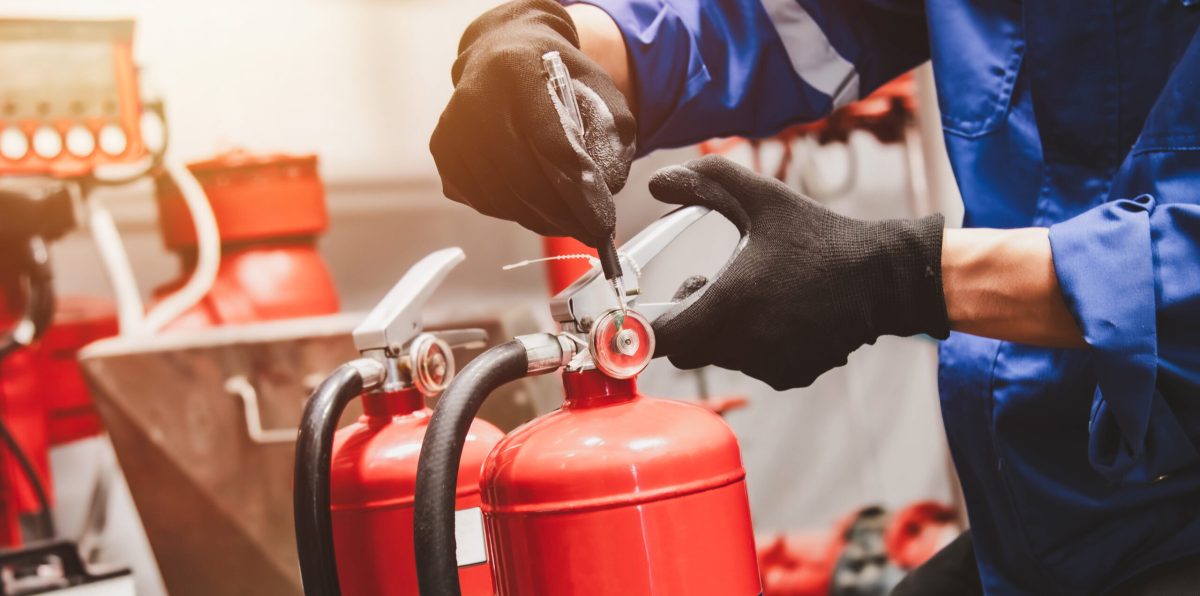
Fire extinguisher training is a crucial safety skill that everyone should know. Fires can happen suddenly, and having the confidence and knowledge to respond correctly can prevent injuries, save lives, and avoid costly damages. Unfortunately, many people are either unaware of how to use fire extinguishers or afraid to try because they worry about making mistakes.
This guide covers everything a beginner needs to know, from understanding fire extinguisher types, learning proper use techniques to maintaining fire safety equipment. Whether you’re curious about the fire extinguisher price or wondering about newer innovations like the fire extinguisher ball, this blog will empower you with solid fire safety knowledge.
What Is Fire Extinguisher Training?
Fire extinguisher training teaches individuals how to operate various types of extinguishers to control small fires before they grow uncontrollable. This training benefits people in many settings, such as homes, offices, factories, schools, and public spaces, anywhere there’s a risk of fire.
Many workplaces require this training to meet safety regulations. Knowing how to handle a fire extinguisher cylinder or use modern tools like a fireball can be a legal requirement and also part of responsible fire prevention.
Types of Fire Extinguishers You Should Know
Understanding different fires and extinguishers is key to effective fire safety. Fires are categorized into classes:
- Class A: Fires involving ordinary combustibles like wood, paper, or fabric.
- Class B: Fires involving flammable liquids such as gasoline or oil.
- Class C: Electrical fires involving live wiring or equipment.
- Class D: Combustible metals, important mainly in industrial settings.
- Class K: Kitchen fires involving cooking oils and fats.
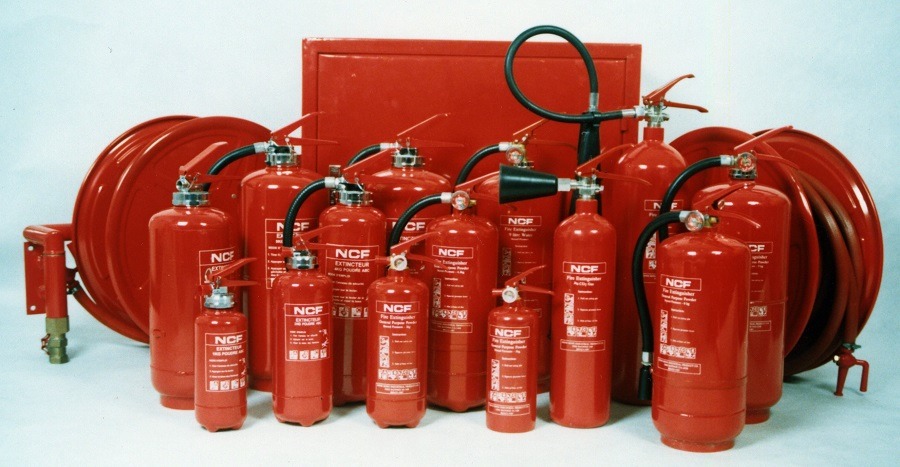
Fire extinguishers are designed accordingly:
- Water extinguishers: Suitable for Class A fires but hazardous for electrical or grease fires.
- Foam extinguishers: Work on both Class A and B fires by forming a barrier between fuel and fire.
- Dry chemical extinguishers: Highly versatile and common, effective on A, B, and C fires by interrupting the chemical reaction.
- CO₂ fire extinguisher: Uses carbon dioxide gas to suffocate electrical and flammable liquid fires. You might wonder, “Which gas is used in fire extinguisher?” For CO₂ extinguishers, it’s carbon dioxide, while dry chemical ones use powders.
- Wet chemical fire extinguisher: Specifically designed for Class K fires in kitchens by cooling and forming a soap-like blanket to seal the fuel.
Each extinguisher usually has a color-coded label and markings to help identify it quickly in emergencies.
For vehicles, carrying a car fire extinguisher is smart for safety on the road.
The Core of Fire Extinguisher Training
The easiest way to remember how to use any fire extinguisher is the PASS method:
- Pull the pin: This unlocks the operating lever.
- Aim the nozzle: Always point it at the base of the fire, where the fuel is burning.
- Squeeze the handle: This releases the extinguishing agent, whether it’s gas, foam, or powder.
- Sweep the nozzle side to side: Cover the whole fire area until it’s fully out.
This technique applies to all equipment, including innovative options like the fire extinguisher ball, which activates on contact with fire, releasing powder automatically.
When You Should (and Should NOT) Use a Fire Extinguisher
Using a fire extinguisher isn’t always safe or advisable. Important safety checks include:
- Only fight small, contained fires.
- Always keep an exit route behind you in case the fire grows.
- Never attempt to use an extinguisher on rapidly spreading fires or if the smoke is overwhelming.
- If unsure, prioritize evacuation and call the fire department.
This judgment protects you from injury and avoids worsening the situation.
Common Mistakes Beginners Make
Beginners often make these errors in emergencies:
- Selecting the wrong extinguisher type, such as using a water extinguisher on an electrical fire, can cause electrocution.
- Standing too close or too far from the fire reduces effectiveness.
- Ignoring pressure gauges or expiry dates on the fire extinguisher cylinder.
- Panicking and forgetting the PASS sequence, which blunts effectiveness.
Proper training and hands-on practice reduce these mistakes.
What to Expect During Fire Extinguisher Training
A typical training session is practical and engaging:
- You’ll learn about fire types and suitable extinguishers.
- Trainers demonstrate how to operate various extinguishers and fire safety tools like fire buckets and fire blankets.
- You’ll practice using extinguishers on controlled fires or simulators.
- Trainers teach how fires spread and safe escape methods to build real situational awareness.
Experienced trainers also explain product differences, such as fire extinguisher ball price in Pakistan compared to traditional extinguishers.
Maintenance & Inspection Essentials
Keeping your extinguishers ready involves:
- Monthly visual checks for signs of damage or pressure loss.
- Annual professional inspections.
- Knowing the expiry date and refilling or replacing when it expires.
Consider the fire extinguisher price alongside maintenance costs when selecting models. In addition to traditional cylinders, you might also look at newer options like the fireball or basic safety equipment, such as a fire blanket or fire bucket for quick initial response.
Workplace Fire Safety: Training for Teams
In workplaces, everyone must know their role when a fire breaks out. Coordinated team training ensures that while some control fires, others assist with evacuation and alert emergency responders.
Regular drills sharpen response times, prevent confusion, and save lives.
Benefits of Fire Extinguisher Training
- Reduces panic during emergencies.
- Increases confidence to act swiftly.
- Prevents small fires from escalating.
- Meets legal workplace safety compliance.
- Ultimately saves lives, property, and reduces damage costs.
FAQs
- How often should training be done?
Generally, annual refreshers help maintain readiness.
- How long does training usually take?
About 1-2 hours for basic courses.
- Is certification required?
Many workplaces require certification for compliance.
- Can children or teens be trained?
Yes, with proper supervision, early education improves lifelong safety habits.
Conclusion
Investing time in fire extinguisher training can make a big difference during a fire emergency. Whether using a traditional fire extinguisher cylinder, a modern fire extinguisher ball, or specialized equipment like a CO2 fire extinguisher or wet chemical fire extinguisher, knowing how to respond safely is invaluable.
For expert advice, training sessions, or to explore fire safety equipment, including competitive fire extinguisher prices in Pakistan, connect with Haseen Habib today. Take the first step towards protecting your home, workplace, and loved ones.